



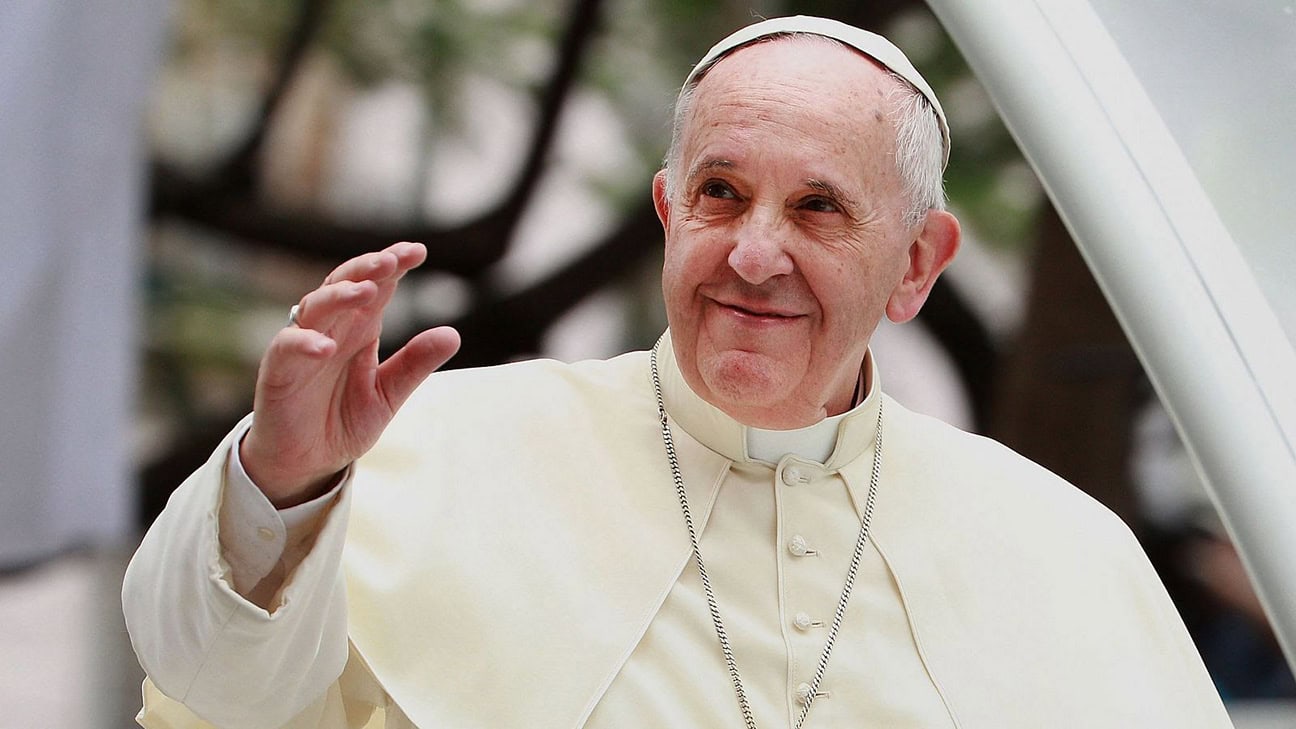
With the death of Pope Francis, the Catholic Church is at a pivotal moment. While 1.3 billion Catholics worldwide mourn a pope who redefined the tone and priorities of the papacy, the question now is not simply who will succeed him—but what direction the Church will take in his absence.
During his 12 years of pontificate, Francis reshaped global Catholicism in ways that went far beyond Rome. He advocated for a “Church of the poor,” shifted the focus from doctrinal rigidity to pastoral care, and encouraged greater local autonomy through synodality—a more consultative and decentralized model of governance. He challenged Catholics to care for the environment, open their hearts to migrants, and reimagine the Church’s role in a fragmented world.
Now, these reforms are at stake.
A Crossroads Between Reform and Tradition
The cardinals tasked with electing the next pope were largely chosen by Francis himself, suggesting that his theological and pastoral priorities may endure. However, the divisions within the Church are real and growing. Conservative factions critical of his openness to LGBTQ Catholics, non-traditional families, and interreligious dialogue may push for a successor who restores a more dogmatic tone.
Some analysts suggest that while another Latin American or African pope is possible, the most urgent divide is ideological, not geographical. Will the Church double down on Francis’s legacy of inclusion and listening—or pivot to doctrinal clarity and centralization?
“The Church is no longer just asking ‘Who comes next?’ but ‘What kind of Church do we want to be?’” said Dr. Lucia Bernardi, Vatican historian at the University of Milan.
Urgent Challenges Ahead
Beyond internal tensions, the Church faces growing external pressures. In Europe and North America, secularization and clerical abuse scandals have fueled mass disaffiliation. In Africa and Asia, Catholic populations are growing—but often in complex religious landscapes shaped by Islam, Pentecostalism, or state atheism. Meanwhile, issues like climate change, artificial intelligence, and global inequality are raising new moral and theological questions.
Francis’s emphasis on the global South, synodality, and social justice offered a roadmap. But some in the hierarchy argue that the Church must also reclaim moral authority through clear teaching, a stronger liturgical identity, and a more visible public voice.
Continuity, Evolution—or Conflict?
Much will depend on the conclave’s outcome. A successor who embraces synodality and mercy could consolidate Francis’s legacy, making his reforms irreversible. A pope with a more traditionalist bent might emphasize continuity with previous popes like John Paul II or Benedict XVI, seeking to slow what some see as “gradual liberalism”.
But regardless of who is elected, many believe the Church has already entered a new era—one in which top-down authority will increasingly be tempered by local voices, cultural diversity, and the lived experiences of lay Catholics.
“The Church is no longer the same as when Francis appeared on the balcony in 2013,” said Cardinal Wilfred Napier, emeritus archbishop of Durban. “And it will not be the same in the years to come. The Spirit is at work—and now we must listen.