



In the main cultural expressions, rhythms and dances, gastronomy, visual arts, architecture, religiosity, and the construction of our history, the historical influence of the black population is present throughout Brazil.
Want to know more? Explore some destinations that preserve the memory of the African heritage of the past and that will surprise you with the presence of contemporary Afro-Brazilian culture.
Recife
The roots of Afro-Brazilian culture are deeply intertwined in the architecture, churches, and stories that permeate the streets of Recife. The historic center of the city houses important landmarks for the black community, such as the statue of Zumbi dos Palmares, the Church of Our Lady of the Rosary of Black Men, and Praça São Pedro, which hosts various events aimed at celebrating Afro-Brazilian culture in Recife.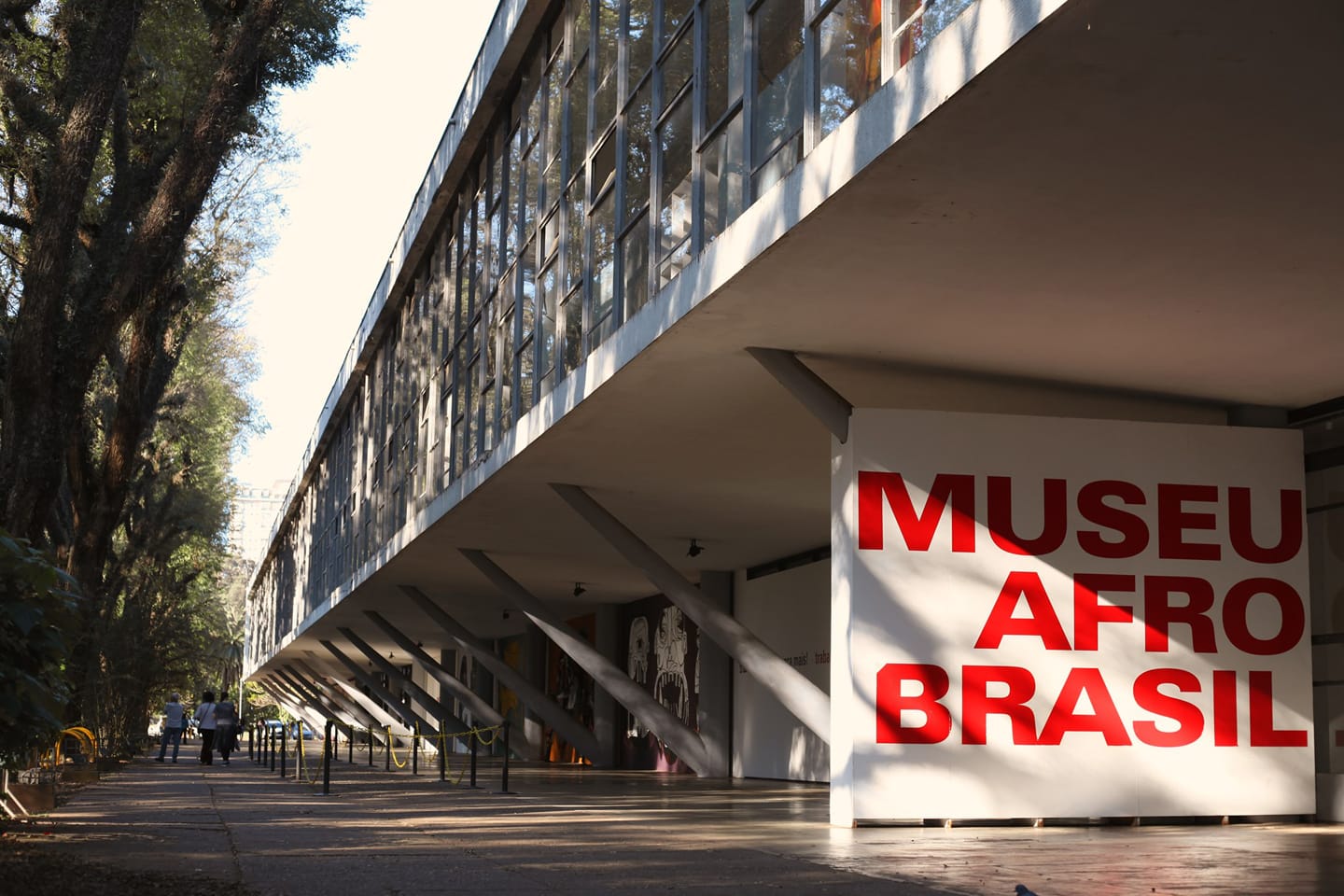 Visit the Afro-Brazilian Museum, where fascinating exhibitions reveal the vital contribution of African culture to the formation of Brazilian identity. From historical artifacts to contemporary expressions of the African diaspora, this museum is a window into the richness of Afro-Brazilian heritage.
Don’t miss the opportunity to experience Maracatu, an Afro-Brazilian cultural manifestation that involves music, dance, and colorful costumes. During Carnival, Maracatu is an explosion of energy and celebration, but throughout the year, local groups offer performances that provide an authentic immersion into Afro-Brazilian rhythms.
At the São José Market, dive into the vibrant atmosphere and purchase local crafts that incorporate elements of black culture. From colorful embroidery to ceramic objects, you will find unique souvenirs that tell stories of ancestral traditions.
Recife is also one of the main gastronomic hubs of the Northeast. The Pernambuco coastline offers visitors a variety of typical foods. With African influences, many recipes have been adapted with ingredients found in the region, highlighting dishes made with seafood and traditional goat meat. The local cuisine is unique in colors, aromas, and flavors.
Discover the roots of African heritage in Brazil by enjoying all the wonders that Recife has to offer.
Rio de Janeiro
Afro-Brazilian culture is very strong in Rio de Janeiro, in places like the territory of “Little Africa” in the Port Zone of Rio de Janeiro, but also in the communities that produced and in the suburbs that organized the famous samba schools.
In Little Africa, the Valongo Wharf, a UNESCO World Heritage Site, stands out as a significant landmark in Afro-Brazilian history. The Suspended Garden of Valongo offers breathtaking panoramic views, while the Pretos Novos Institute, dedicated to the preservation and research of Afro-Brazilian history, is a must-visit point that contributes to a deep understanding of this cultural legacy.
Memory and cultural heritage come together in visits to the Quilombo da Pedra do Sal,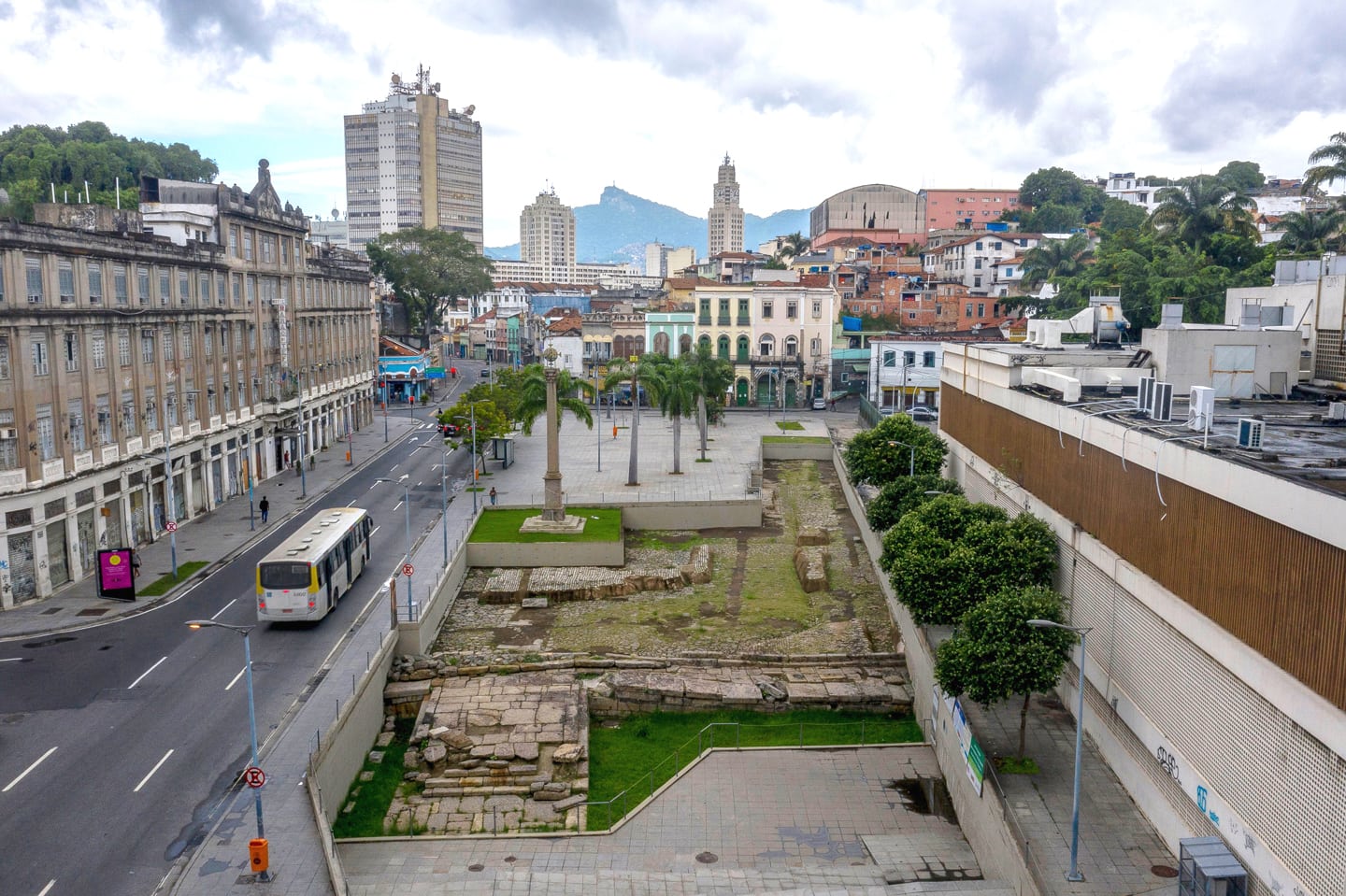
where you can experience traditional samba and revisit the history of black resistance in the city. Exploring the samba schools of Rio de Janeiro is an incredible and unmissable experience, accessing the behind-the-scenes of the greatest show on Earth, celebrating Afro-Brazilian culture by showcasing the genuine creativity of various professionals, costume designers, art directors, samba dancers, and thousands of artisans.
Speaking of samba, this destination is also musical, producing rhythms and internationally acclaimed artists. Besides the rhythm that is a symbol of the country, also experience other cultural expressions that mark the Afro-Brazilian influence in the city’s culture, such as choro, bossa nova, and funk baile.
The cultural and cosmopolitan melting pot of Rio de Janeiro has created a unique gastronomy that reflects the laid-back atmosphere of the city and the carioca lifestyle. Feijoada, the city’s symbolic dish, is a hallmark of African contributions to Brazilian cuisine.
Salvador
Salvador is recognized as the center of Afro-Brazilian culture, and this aspect is reflected in every corner of the city, in its cuisine and rhythms. As the first capital of Brazil, Salvador, the main city and capital of the state of Bahia, carries centuries-old traits in the memory of a nation in formation and a vibrant present that blends African heritage with modernity in the most black city outside the African continent.
The culture is effervescent in this city, particularly in the celebration and appreciation of the Afro-Brazilian population and their roots. This is evident in various cultural manifestations in the country’s most festive city.
The Carnival, the world’s largest street party, takes over the city’s streets during February. Afro blocks, carnival groups that parade their African heritage, attract thousands of people to the streets, as do the “trio elétricos” that showcase prominent artists of Brazilian music, notably Axé, a Bahian rhythm that combines the modernity of electric guitar with the beats of the “terreiros”. More recently, the city has also hosted large festivals celebrating black culture, such as Afropunk and the Salvador Afro Capital Festival, bringing a touch of modernity to this city of traditions and roots.
The history of Brazil is directly linked to Salvador, especially in the Historic Center, in the Pelourinho neighborhood, considered a UNESCO World Heritage Site. There, you will see ancient colonial houses imbued with a vibrant view of Afro-Brazilian culture. Handicrafts, fashion, and gastronomy bring this landmark of the past to life. Near the center is the Lacerda Elevator, a symbol of the city, which offers a panoramic view of the Bay of All Saints, which bathes part of its coast. On the way from Pelourinho to the Elevator, you may find capoeira circles in the city’s squares.
A variety of museums that tell this story highlight Salvador’s relevance to national culture. The MUNCAB, Museum of Afro-Brazilian Culture, reflects the connection between Brazil and Africa, a result of the diaspora.
At the center of the practice of African matrix religions in the country, spaces like the Xangô Stone Park or the “terreiros” dedicated to African gods symbolize the resistance of the Afro-Brazilian people.
The Brazilian religious syncretism, central to Salvador’s culture, is symbolized by the Church of Our Lord of Bonfim, where the faithful make promises and tie colorful ribbons on the gate as a symbol of faith, creating a beautiful, colorful, and poetic scene. In the Church of Our Lady of the Rosary of Black Men, the masses are accompanied by “atabaques” (typical Afro-Brazilian drums), bringing Afro-Brazilian culture to the center of this religious spectacle.
The Bahian cuisine is an attraction in itself. In Pelourinho or in the Santo Antônio Além do Carmo neighborhood, restaurants serve traditional moquecas and other regional dishes like vatapá. Sophisticated restaurants in the Rio Vermelho neighborhood blend local cuisine with international influences, while street food, symbolized by acarajés served by traditional Baianas, complements the gastronomic experience.
At night, the city pulses with energy and emotion, with parties driven by its traditional rhythms, especially axé, pagode, and samba-reggae. The city is the birthplace of famous artists, and live shows and dance performances are common in various venues.
Source: visitbrasil.com