



 Senor Abravanel, this is how Silvio Santos was born, on December 12, 1930, in the Lapa neighborhood, in downtown Rio de Janeiro. The son of Rebeca and Alberto, he had 5 siblings: Beatriz, Leon, Perla, Henrique, and Sara.
Still in his teenage years, he began selling goods on the streets of the Fluminense capital to supplement the family income and attend movie theaters, his favorite activity. In 1948, after having his merchandise seized, he was nominated to participate in a contest to train new announcers at Rádio Guanabara, where he emerged victorious. He even joined the Army’s Parachute Military School, but communication won out. The following year, he returned to radio for good, working at the carioca radios Mauá, Tupi, and Continental, already adopting the stage name Silvio Santos, inspired by his mother, who always called him Silvio.
At the turn of the 40s to the 50s, already with an entrepreneurial vision, Silvio decided to create a beverage, show, and bingo business on the Barca da Cantareira, which crossed the city of Rio de Janeiro to Niterói. The success was immediate, but the boat’s breakdown left the business adrift, forcing Silvio to reinvent himself. It was then that, in 1954, he arrived in São Paulo at a festive moment when the city was celebrating its fourth centenary and the inauguration of Ibirapuera Park, a tourist symbol of the cosmopolitan capital.
 With a letter of reference from Fernando de Nóbrega, brother of Manoel de Nóbrega, Silvio participated in an audition and, upon approval, was hired by Rádio Nacional as a commercial announcer for programs. This is where his television career begins.
Participating in the programming of Channel 5, in 1957 Silvio hosted his first program: Audições, featuring the main conductors and orchestras of the time, as well as radio singers performing live, in a simultaneous broadcast of TV with Rádio Nacional.
An entrepreneur par excellence, at Christmas 1958 he offered to assist Manoel de Nóbrega with his company, Baú da Felicidade, and observed, with his peculiar business vision, that there was a great opportunity there, helping the Baú, which was going through a crisis, to recover and transform into the first installment purchase system for 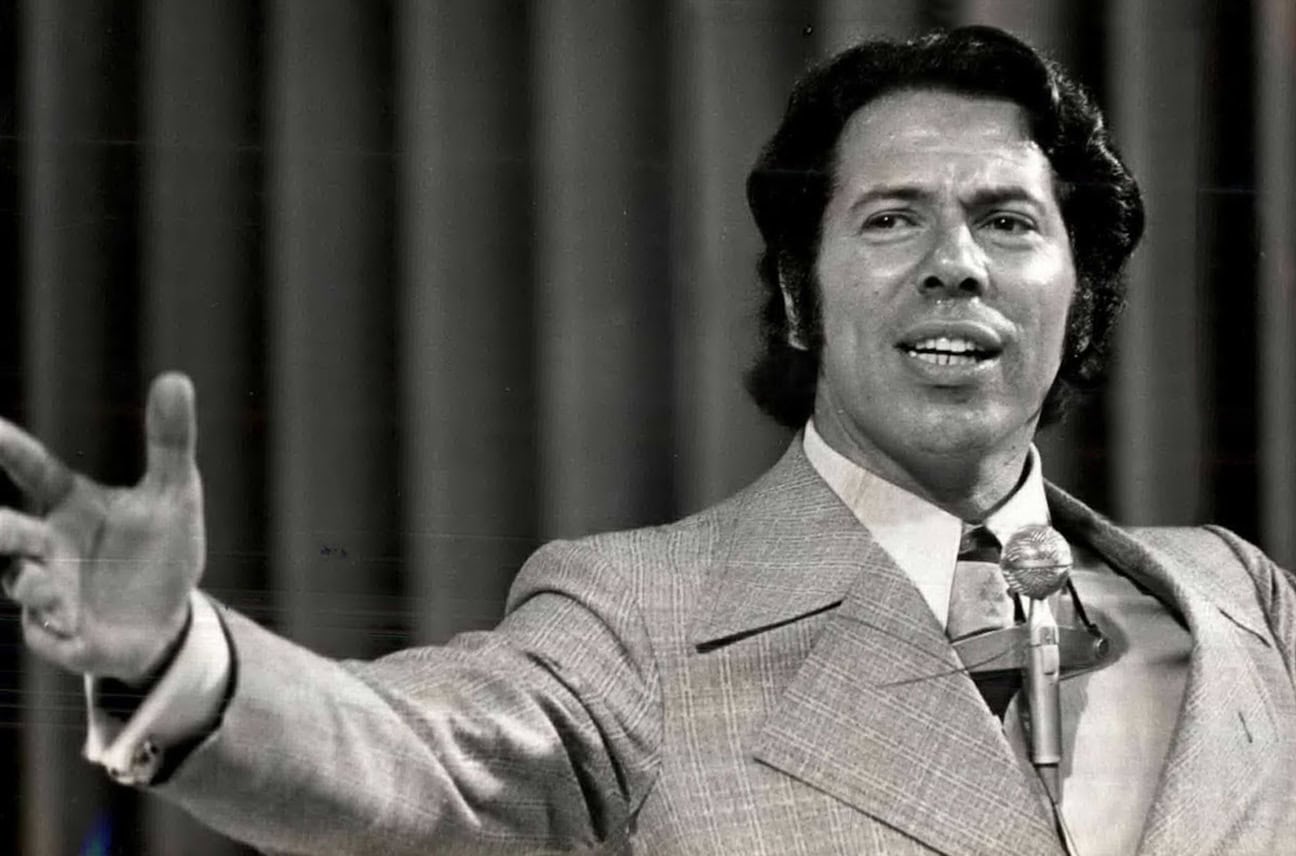 toys and household items, and not just for fabrics or Christmas baskets, as was the norm at the time. In 1959, he then decided to found his first company, named simply after himself, marking the beginning of his thriving business trajectory.
In 1960, aiming to boost sales of the Baú installment plan, he produced his first original program: Vamos Brincar de Forca, a childish scavenger hunt where everyone who participated won prizes. With the success of “Forca,” other games followed, such as Ganhando e Apostando, Bolada Fik Forte, and a format that endures on TV: Pra Ganhar é Só Rodar, featuring the picturesque spinning top. His television flair awakened him again to a vanguard attitude, and in 1962 he founded Publicidade Silvio Santos, his first 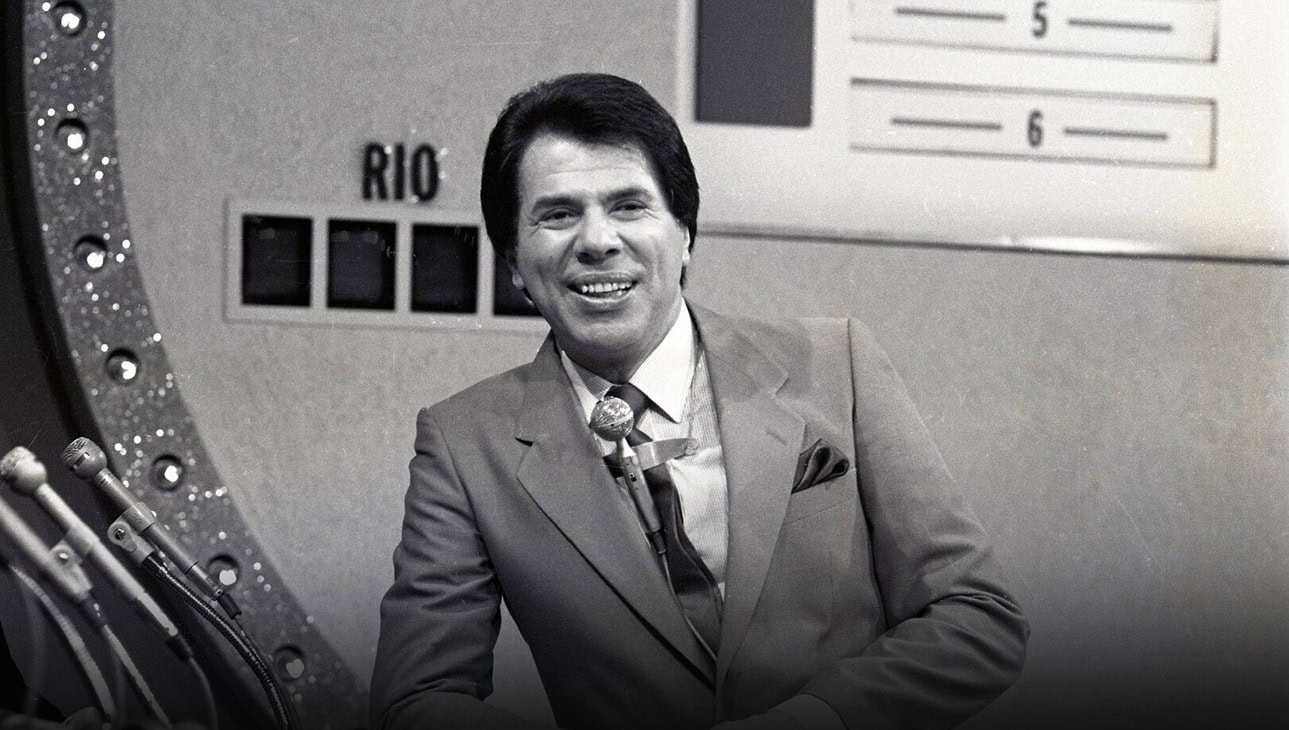 production company for television, organizing his attractions.
In 1963, he innovated and became the first major independent producer on TV, renting Sunday slots in the station’s programming, premiering the Programa Silvio Santos, which, in addition to being a television program, became a habit in the lives of all Brazilians who got used to gathering in front of the TV to spend a joyful, high-spirited Sunday together, enjoying Silvio and his guests for 60 uninterrupted years on air.
The following year, Silvio brought another unprecedented achievement: he rented airtime on TV Tupi for the conduction of 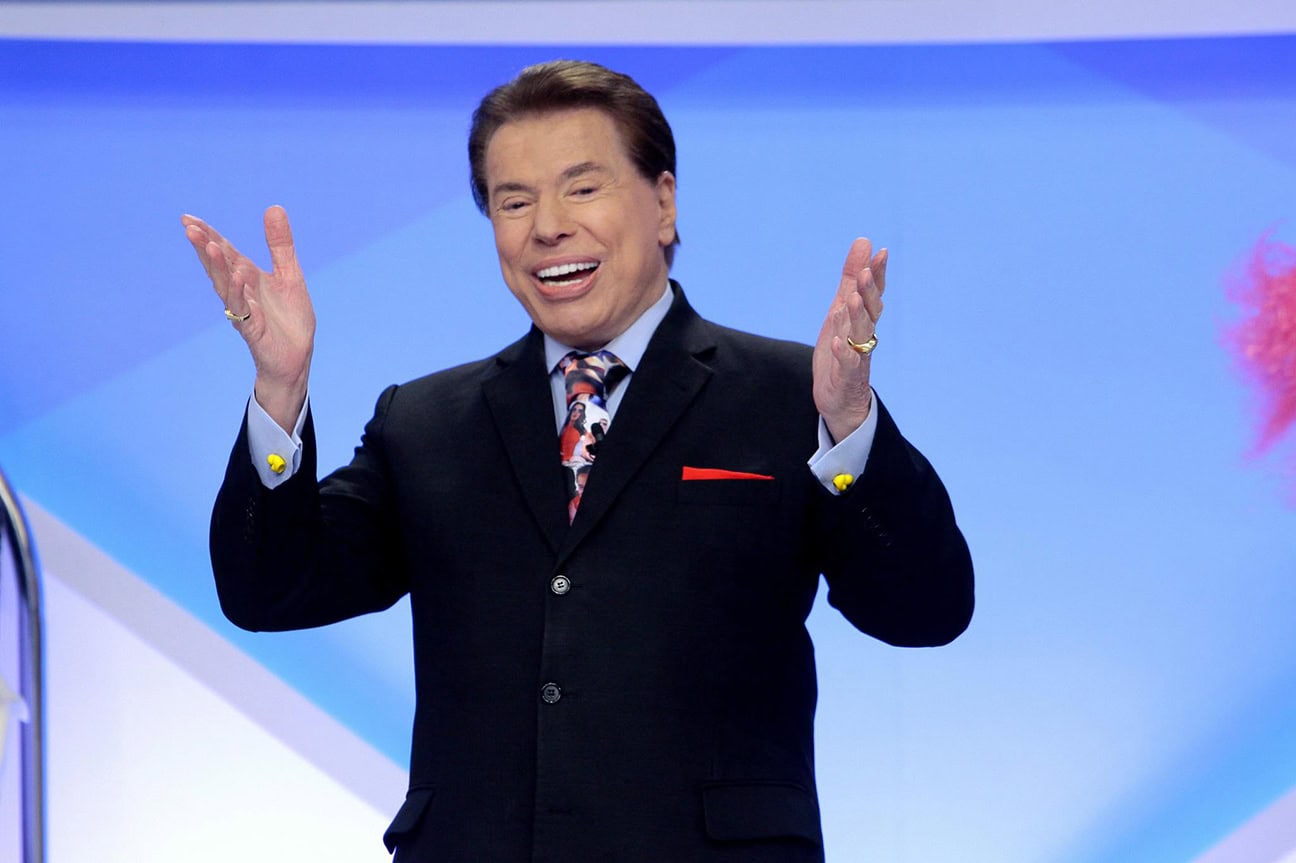 programs, initially on Saturday afternoons, and later in the weekly prime time evening slot. He premiered the Festival da Casa Própria, and for the first time, a TV program delivered a car and a house weekly through installment draws.
In 1964, control of TV Paulista was handed over to Grupo Globo, which inaugurated TV Globo in Rio de Janeiro the following year, and Silvio increased the airtime of his program.
With the arrival of the 70s, innovation, entrepreneurial and artistic talent, and the admiration of the Brazilian people led Silvio to conquer new spaces with business expansion, creating the Grupo Silvio Santos in 1972, the holding company responsible for managing over 30 companies. The following year, he set up his first independent production hub, the Centro de Produção Vila Guilherme, marking the beginning of the activities of Estúdios Silvio Santos, which produced Silvio’s (and others’) programs for various broadcasters.
In the 70s, he exploded in audience ratings, reaching 100% of televisions tuned in on numerous occasions, sparking the curiosity of TV stations worldwide and becoming the subject of documentaries.
In December 1975, Silvio secured the concession for his first television channel, launching TV Studios Silvio Santos, TVS Rio, on May 14, 1976, which served as the embryo for his dream of a television network. In July, he left TV Globo, where he was regularly presented in black and white, debuting the Sunday show in color on Tupi.
In 1981, with a million-dollar investment and an incredible capacity for renewal, thanks to the solid operational strength of Grupo Silvio Santos, from north to south of the country, Silvio secured the concession for the now-defunct channel 4 in São Paulo and inaugurated SBT, Sistema Brasileiro de Televisão.
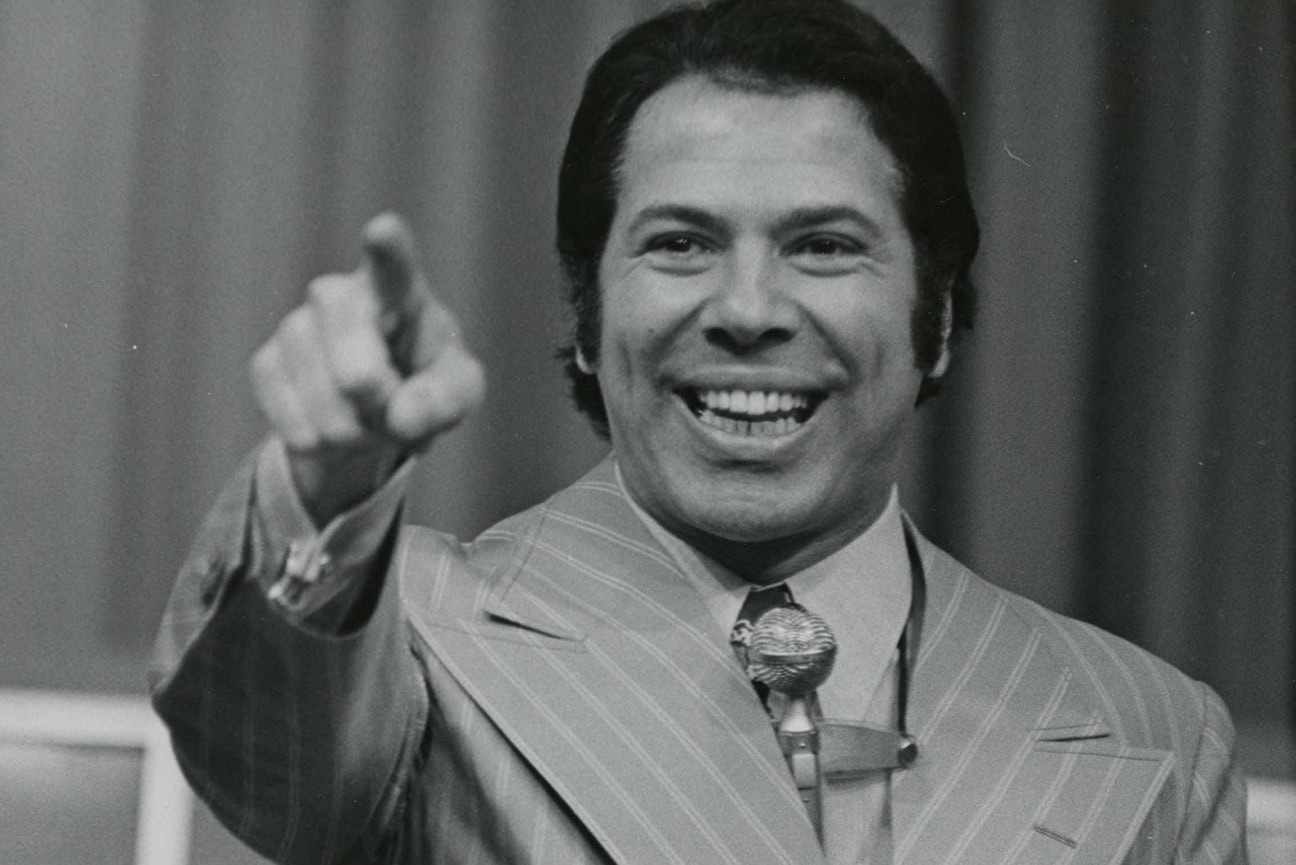 In 1996, Silvio celebrated SBT’s 15th anniversary with the official inauguration of his new home, the Complexo Anhanguera, and even with over 40 years of activities on TV, he remained modern and updated, renewing his programming in the decade with: Topa Tudo por Dinheiro, Sorteio da Tele Sena, Tentação, Quer Namorar Comigo, Em Nome do Amor, Se Rolar Rolou, Gol Show, and Xaveco.
The tranquility with which he always dealt with the day-to-day setbacks meant that Silvio Santos did not falter in the face of great storms: he faced three fires in his studios and the kidnapping of his daughter, to name just a few. This same simplicity, combined with the charisma and talent of the entertainer, allowed him to never stop working or remain  off the air, hosting programs either from an improvised garage or in a borrowed gym.
Silvio Santos is one of the creators of Brazilian TV as we know it today; he paved the way for great entertainers who now walk it, some of whom are television icons who learned from Silvio the art of communication, such as Gugu Liberato, Mara Maravilha, Celso Portiolli, Eliana, Maisa, among others. His vision ahead of his time brought investments that once seemed illogical to the eyes of the era, and that today endure as normality, such as interactive programs, confinement reality shows, imported soap operas, among other formats. Some initiatives of Silvio Santos are now premises in Brazilian television journalism, such as informality, the anchor figure, the conduction of reports in the camera-reporter style, presenters hosting newscasts while standing, and midnight journalism. It was Silvio Santos’ idea to bring female sports commentary to  TV. It is also his vision to implement an amplified children’s programming to form viewers.
His physical absence will leave an immense gap for all who knew and worked with him, whether for his good humor, friendliness, simplicity, or the austerity in managing the business, always prioritizing honesty and justice. But Silvio Santos is eternal; he will always be present in any Brazilian home, in a simple imitation of his funny laugh, his striking mannerisms, his perfect diction, his unmistakable voice, his favorite songs that he loved to sing, or just in a photo or video presented on any screen, which will immediately make anyone who remembers the “boss” smile and sing, and in a burst of joy ask, “who wants money?” to whoever is next to them, or try to fold a paper airplane just to keep it in memory.