



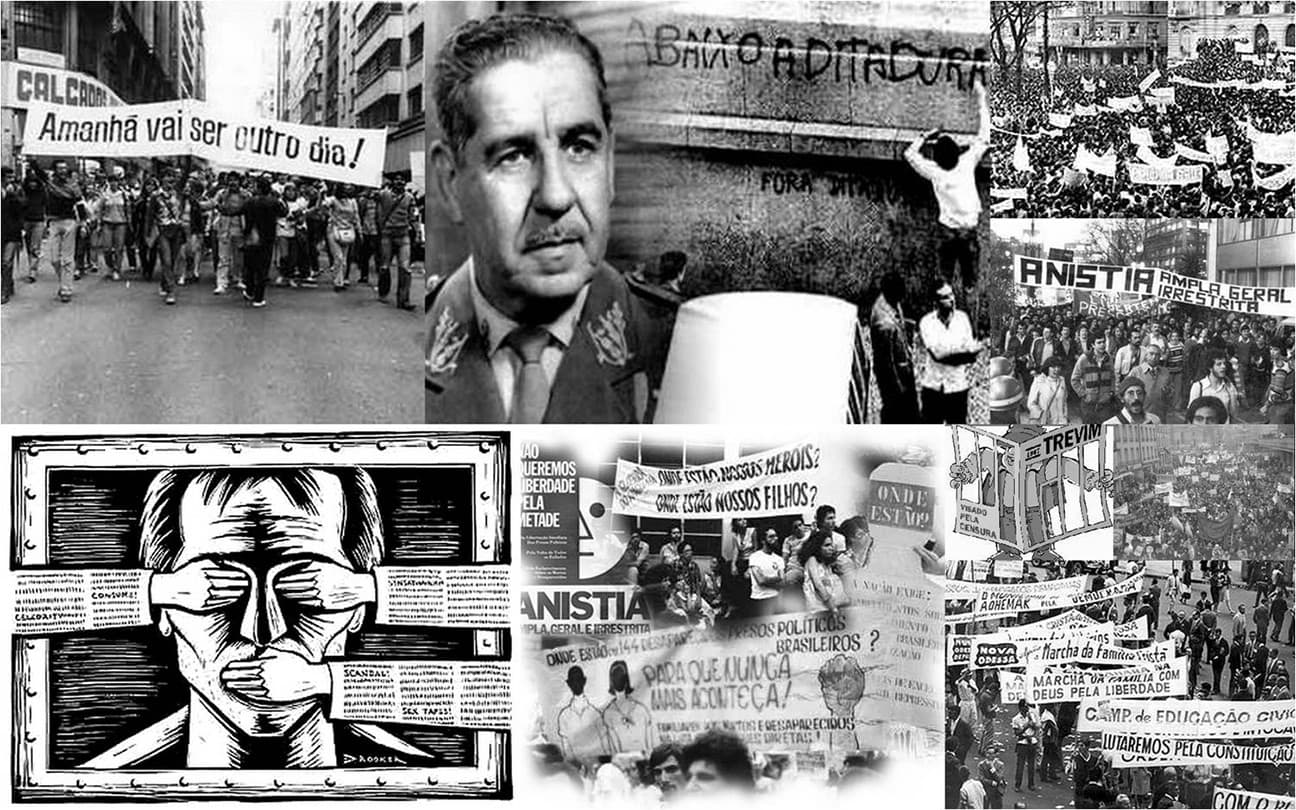
 As Brazil marks six decades since the military coup that profoundly altered its political landscape, the nation finds itself in a period of reflection, grappling with the enduring legacy of the authoritarian regime. On March 31, 1964, the Brazilian army, supported by conservative civilian forces and covert backing from the United States, overthrew President João Goulart, plunging the country into 21 years of military dictatorship.
The coup, which unfolded amid Cold War tensions, was justified by its perpetrators as a necessary measure to combat communism and restore order. However, its consequences were far-reaching and devastating for Brazilian society. The military regime, initially led by a junta and later by a series of generals, imposed strict censorship, repressed dissent, and systematically violated human rights. Thousands of individuals were imprisoned, tortured, and killed, with many more forced into exile.
For decades, the discussion surrounding the coup and its consequences has been fraught with political tension. The regime left scars that are still felt today, influencing Brazil’s political culture and social divisions. While some segments of society viewed the coup as a necessary evil to prevent communism, others saw it as a betrayal of democracy and a stain on Brazil’s history.
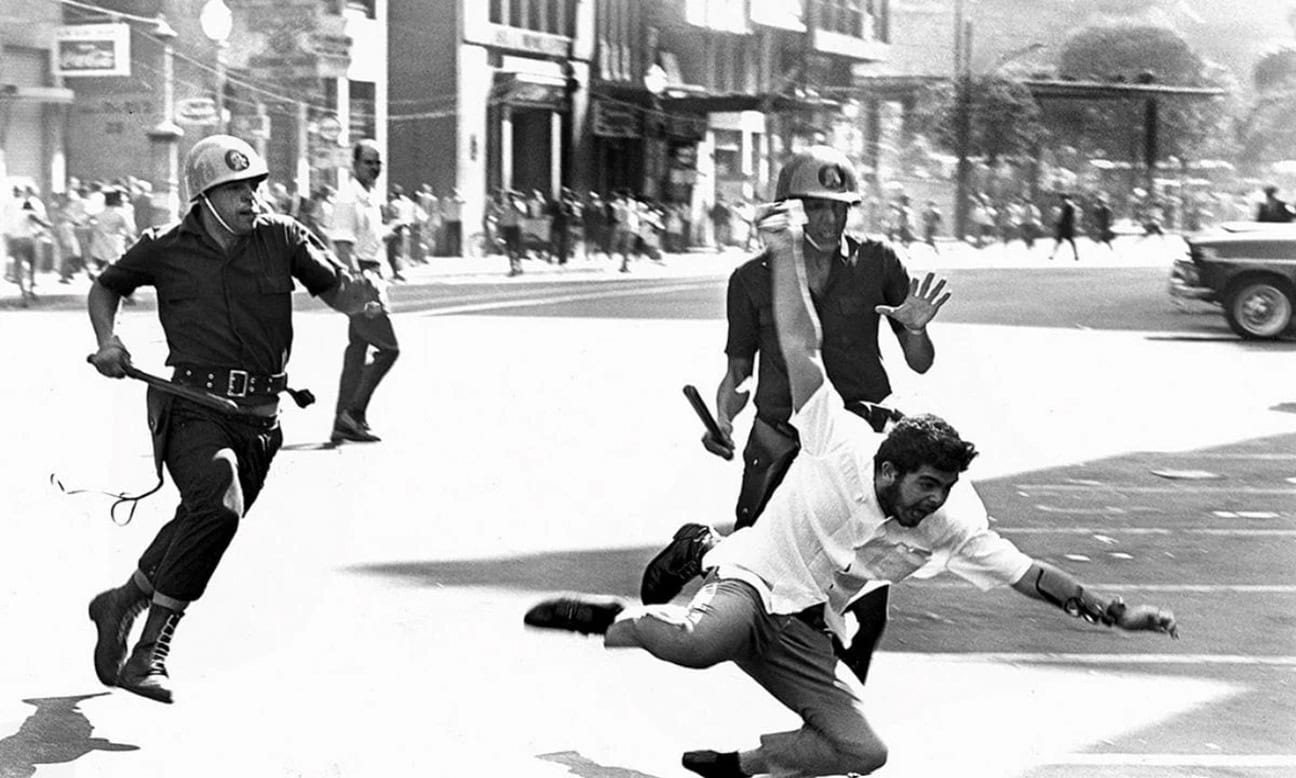 In recent years, efforts to confront this dark chapter have gained momentum. In 2014, then-President Dilma Rousseff, herself a former political prisoner and torture survivor during the dictatorship, signed a law officially recognizing April 31 as a day of remembrance for the victims of the military regime. The measure was part of broader initiatives aimed at truth-telling, reconciliation, and ensuring that such abuses never happen again.
President Jair Bolsonaro, a former army captain with a controversial stance on Brazil’s military past, has sparked controversy on several occasions with his comments about the dictatorship era. While some of his supporters advocate for a reassessment of the historical significance of the coup, others argue for a more nuanced understanding that respects the suffering endured by the victims and their families.
Sixty years later, the memory of the military coup remains deeply embedded in Brazil’s national consciousness. Memorials, documentaries, and academic studies continue to shed light on the human rights abuses and political turmoil of that era. As the country navigates its future, grappling with issues of democracy, justice, and memory, the lessons of the past continue to resonate, serving as a stark reminder of the fragility of democratic institutions and the enduring importance of protecting them.
The U.S. Participation
According to Responsible Statecraft, Brazil’s 2014 Truth Commission report is the country’s only formal investigation into this period of dictatorial rule. The commission’s 2,000-page report revealed grim details of the dictatorship’s human rights abuses, identified over 400 individuals killed by the military, and 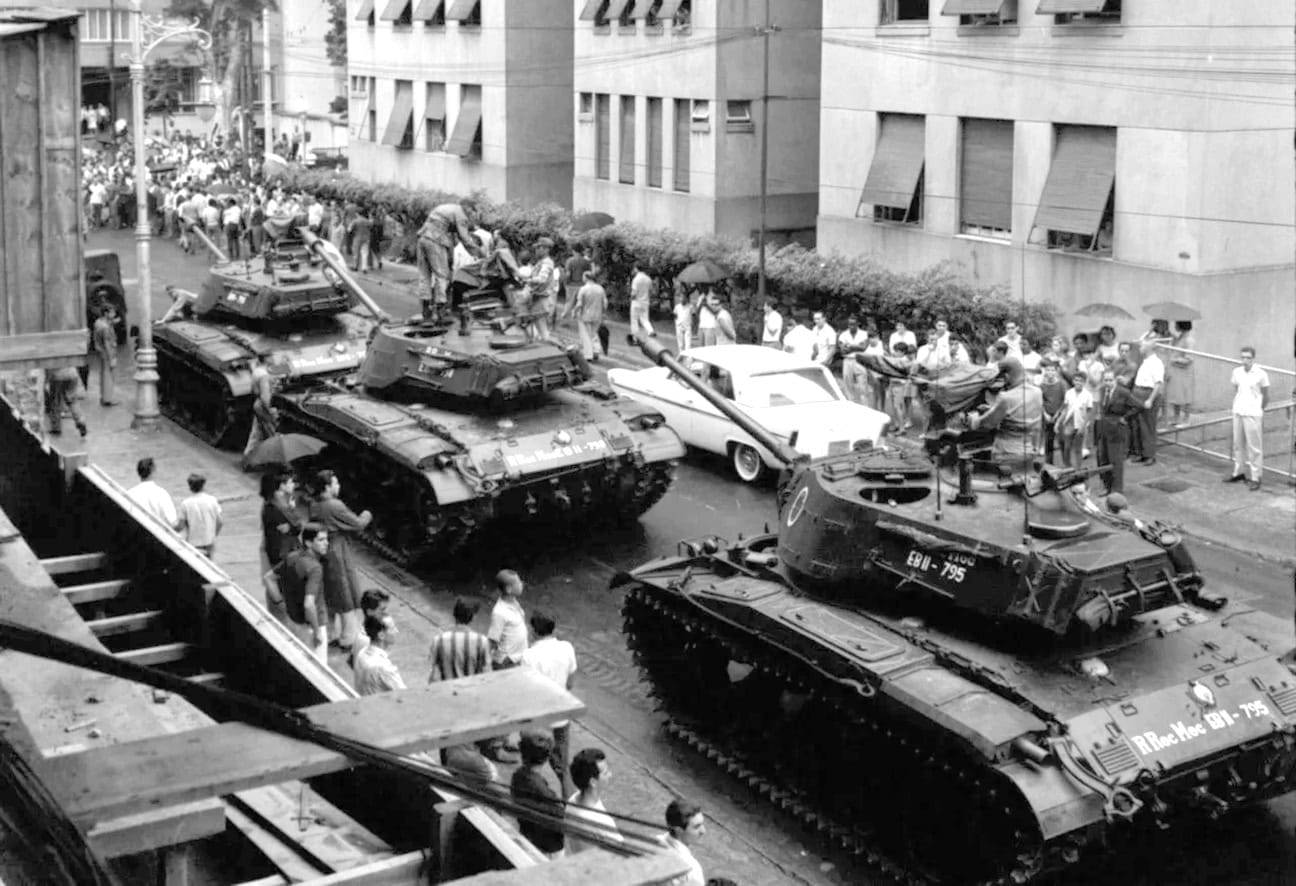 shed light on Brazil’s role in destabilizing other Latin American countries.
To assist the Truth Commission, then-Vice President Joe Biden personally delivered declassified State Department records to former Brazilian President Dilma Rousseff. The records provided details about the dictatorship and Washington’s support for abuses, including a cable from former Ambassador to Brazil William Rountree arguing that condemning the regime’s “excesses” would be “counterproductive.”
Responsible Statecraft highlights that Biden’s delivery of the declassified records was symbolic, as the U.S. supported the coup. The U.S. consolidated its support for the coup plotters the previous year, drafted plans for a U.S. invasion if deemed necessary, and sent a naval task force to Brazil to support the military conspirators. In the end, direct U.S. intervention was not needed — Goulart fled to Uruguay by April 4. The coup was carried out by Brazilian generals, but Washington celebrated it as a victory for its interests nonetheless, viewing Brazil as a key ideological partner in destabilizing leftist regimes in Latin America.
Source: Brasil de Fato and Responsible Statecraft