



With the start of the Summer Olympics 2024 in Paris, we dive into 19 days of sporting competitions that have taken place every four years for 120 years.How did it all begin?
As an important tradition linking sport and culture, the Olympic Games have a history that dates back over 2,000 years.
The history of the Olympic Games can be fragmented into several points, but the Games made an 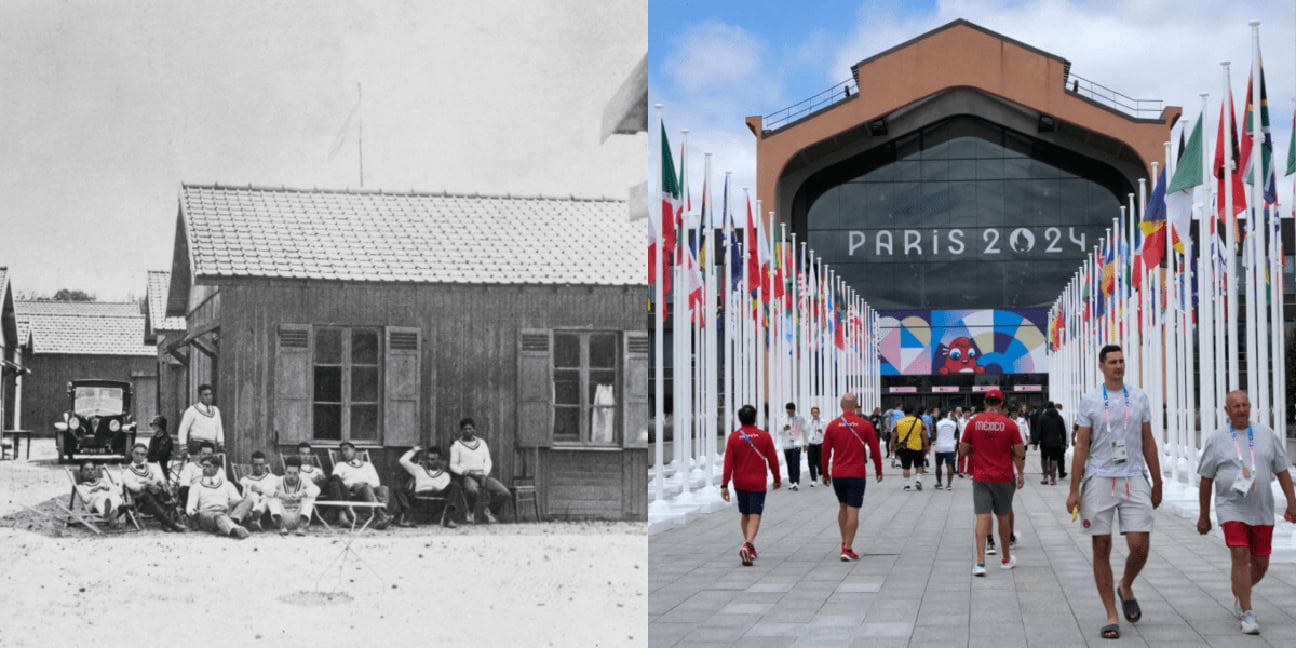 impressive return. Even the early festivals organized by the ancient Greeks demonstrated the values that still form the core of the Olympic Spirit today. Furthermore, in Antiquity, warring states observed a truce during sporting competitions – a tradition that continues today, with the United Nations General Assembly adopting the Olympic Truce before each edition of the Games. The history of the Games is incredibly rich and spans millennia.
The first written evidence of the official Games dates back to 776 B.C., when the Greeks began to measure time in Olympiads, or the period between each edition of the Olympic Games. The first Olympic Games were held every four years in honor of the god Zeus. From then on, a series of artistic activities such as music, singing, poetry, and theater were organized at the Pythian or Delphic Games (an event separate from the Games held in Olympia), linking culture and sport from the very beginning of the Games.
 In 393 A.D., the Roman Emperor Theodosius I banned the Olympic Games for religious reasons, claiming they encouraged paganism. They were not revived until the modern era.
The Revived Olympic Games in Paris
Several initiatives to re-establish an international sporting event were attempted in the late 19th century but failed due to a lack of coordination in the global sports movement – until one man decided to bring together the key stakeholders in Paris. The Olympic Games were thus revived at the first Olympic Congress, organized by Baron Pierre de Coubertin and held at the Grand Amphitheater of the Sorbonne University from June 16 to 23, 1894. Two thousand people attended, including 58 French delegates representing 24 sports organizations and clubs, and 20 delegates from Belgium, Great Britain, Greece, Ireland, Italy, Russia, Spain, Sweden, and the United States representing 13 foreign sports federations.
As the congress came to a close on June 23, the Olympic Games were reborn and the International Olympic Committee was created. The principles that guided Baron Pierre de Coubertin in this endeavor and inspired Olympism and the Olympic movement include:
• Promoting the development of the physical and mental qualities that form the basis of sport;
• Educating young people through sport in a spirit of mutual understanding and friendship, with the aim of helping to build a better and more peaceful world;
• Sharing the Olympic ideals with the whole world and creating a sense of international goodwill; and
• Bringing together athletes from around the world for a grand celebration of sport every four years, the Olympic Games.
 Women Finally Allowed to Participate in the Olympics
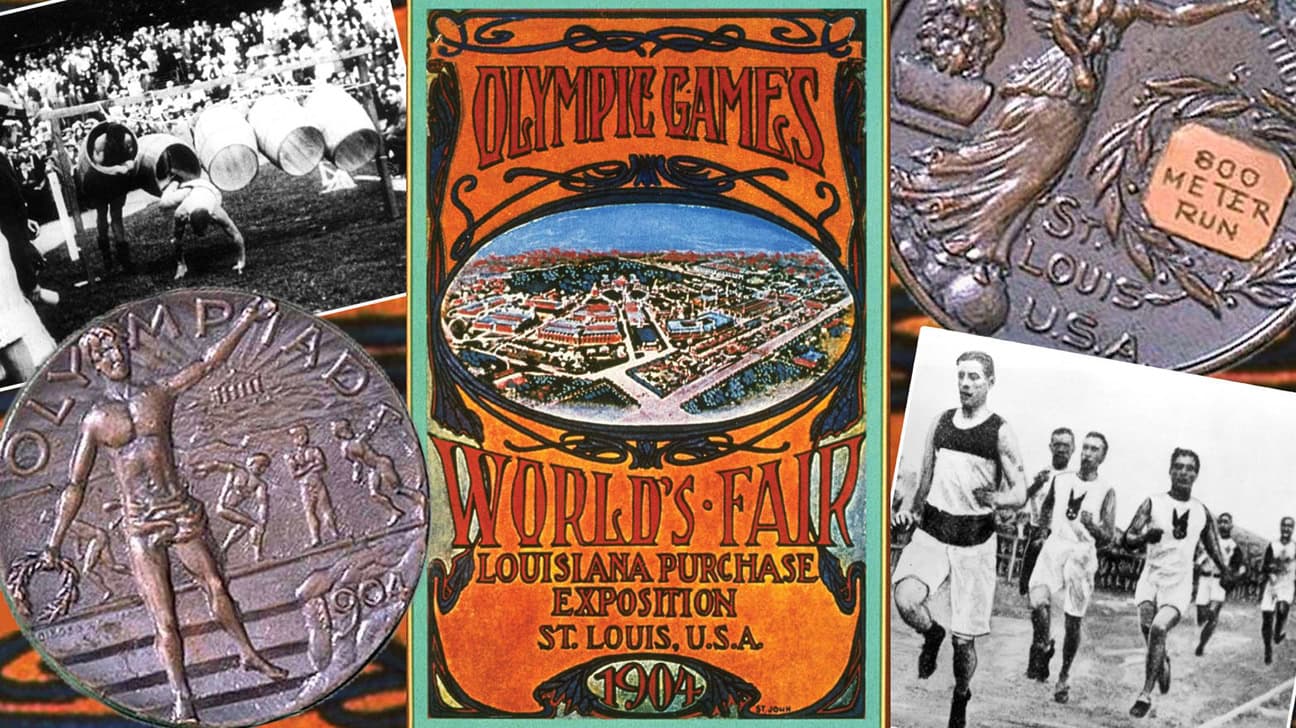
The first Olympic Games of the modern era took place in Athens, the country where the original Games occurred in Antiquity, in April 1896. Paris hosted the second Games in 1900.
The 1900 Paris Olympics saw women compete for the first time. The first female Olympic champion was Charlotte Cooper, a British tennis player who won Wimbledon five times. Out of a total of 997 athletes, 22 were women, competing in only five sports: tennis, sailing, croquet, equestrian events, and golf.
Female participation in the Olympic Games has dramatically increased since then; 48.9% of athletes at the Tokyo 2020 Games were women, compared to 23% at the Los Angeles 1984 Games and only 13% at the Tokyo 1964 Games. The IOC has been working with international federations, as well as with the Organizing Committees of the Olympic Games, to increase the number of women’s events in the Games for over 20 years. By adding a women’s boxing event, the London 2012 Games were the first in which women competed in all sports on the Olympic program. At the Rio 2016 Olympic Games, 45% (5,059 women out of a total of 11,238) of the athletes were women.
The Olympic Games Today
Olympism is defined by its universality, as demonstrated by its ongoing development and global presence on all habitable continents. There are 206 NOCs in the IOC, compared to the 193 member states of the UN, for example. This universality gives unprecedented reach to the ongoing efforts of the movement to promote people and education.
Source: Olympics.com