



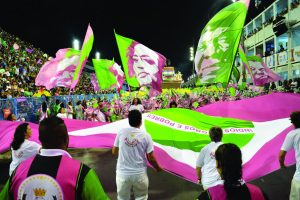
For the first time, Mancha Verde is the grand champion of the Special Group of the São Paulo carnival in 2019. With the theme “Oxalá, save the princess. The saga of a black warrior,” the school brought to Anhembi the story of an African princess Aqualtune, grandmother of Zumbi dos Palmares, and discussed 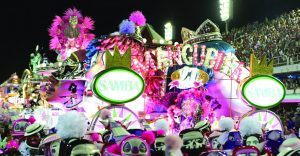 slavery, the rights of black people and women, and religious intolerance.
In a fierce competition, Acadêmicos do Tatuapé took the vice-championship.
The carnival blocks were a party in themselves, enchanting many tourists who visited São Paulo, Rio, and some cities in the northeast, where they followed defined urban routes while maintaining the tradition of Brazilian carnival, popularly known as street blocks.
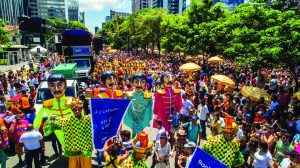
The blocks were animated by bands, sound cars, and electric trios.
In the Northeast, as a tradition, the participation of giant puppets in the parades of some blocks was common, especially in the city of Olinda (PE).
The highlight is for the songs, frevos, and old carnival marches. People parade in the streets, usually wearing costumes.
They are relaxed and intentionally disorganized and improvised. The 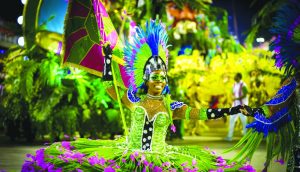 people parade in the streets wearing costumes usually made by themselves or abadas. They sing carnival marches, samba-enredos, or even songs related to everyday life or with themes involving humorous political critiques.
The impressive numbers of the Rio carnival helped boost the local economy. The revenue generated from the festivities was R$ 3.78 billion, circulating in the commerce, services, and hospitality sectors, generating income and jobs for Cariocas. The party brought more tourists to Rio in 2019.
The curtains have closed and will only reopen on Carnival Friday in 2020, again with the champions.
 Mocidade Independente de Padre Miguel repeated its placement from 2018 and secured its third consecutive champions parade, something it hadn’t achieved since 1997. The school addressed the relationship between man and time in a highly praised parade, which concluded the parades on the morning of Carnival Tuesday.
Acadêmicos do Salgueiro, which placed fifth in the Special Group, revived the parade about the orixá Xangô.
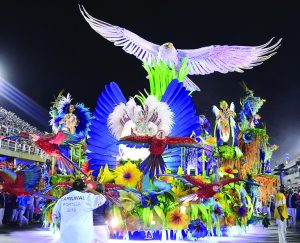 Placing fourth in the Special Group in 2019, Portela honored singer Clara Nunes and moved the avenue through its samba and the performance of the master of ceremonies and flag bearer couple, Marlon Lamar and Lucinha Nobre.
Unidos de Vila Isabel could not return to the champions between 2014 and 2018. With the most luxurious parade in its history, the neighborhood association of Noel paid tribute to the city of Petrópolis.
Unidos do Viradouro took the vice-championship of the Special Group, marking the best result in the history of a school coming from Access. The school impressed the avenue with the best artistic project presented by Paulo Barros throughout his career.
Estação Primeira de Mangueira brought to Sapucaí characters omitted from Brazil’s history. The green and pink won its twentieth championship in history and is the only school in the history of the parades to be champion in every decade since the samba school parades were created in 1932.
Back in São Paulo, a study conducted by the National Confederation of Commerce (CNC) projects that the revenue from services in São Paulo during Carnival reached nearly R$ 1.9 billion. This is a figure 5.4% higher than that achieved in the same period in 2018.
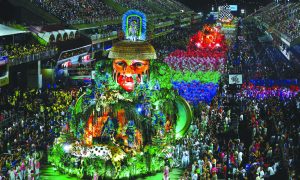
The samba school parades in São Paulo took place at the Anhembi Sambadrome. The night was opened by Colorado do Brás, which returned to the Special Group.
With the title “The Empire Strikes Back,” Império da Casa Verde presented the name of one of the films from the “Star Wars” series, and the theme of the school was cinema.

The freedom of the Brazilian people, from the discovery to the present day, was represented by the school Acadêmicos do Tucuruvi. The proposal was to highlight the resistance of the Brazilian people to face adversities over time.
The grand champion of 2018, Acadêmicos do Tatuapé took to the avenue a samba about the warriors of our history. Among them, Saint George and the orixás.
The parade of the school X-9 Paulistana was dedicated to the sambista Arlindo Cruz.
The curiosity of man regarding questions such as “Where do we come from?”, “Where are we going?”, “Who is God?” was present in the theme of the samba from Tom 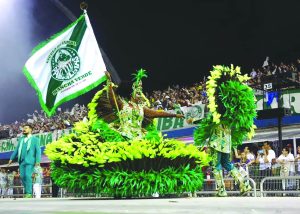 Maior.
Champion of the Access Group in 2018, the school Águia de Ouro addressed greed in the exploitation of the riches of our country.
“The Invention of Time – An Odyssey in 65 Minutes” from Dragões da Real dealt with the influence of time on humanity, referring to the maximum duration of a parade of a school from São Paulo.
The school Mocidade Alegre brought to the parade a legend of how the Amazon River was created. In “Ayakamaé – The sacred waters of the sun and the moon,” Mocidade Alegre told that the sun and the moon were lovers but could never meet. The moon cried, and her tears gave rise to the Amazon River.
The struggle of the black people was the theme of the school Vai-Vai this year. With “Vai-Vai, The Quilombo of the Future,” the samba-enredo showed the importance of the achievements 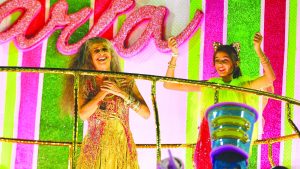 of the ancestors, highlighting the remarkable black figures in our history.
On the avenue, the school Rosas de Ouro portrayed the connection between the São Paulo Carnival and the Armenian community living in the city with the theme “Viva, Hayastan!”
The theme of the school Unidos de Vila Maria was Peru. The discovery, culture, natural beauties, cuisine, and mysteries were some of the points depicted at the Anhembi Sambadrome.
The school Gaviões da Fiel chose to re-edit a samba from 1994 to present this year. With “The saliva of the saint and the poison of the serpent,” the samba-enredo of Gaviões talks about the history, legends, and harms of tobacco.