



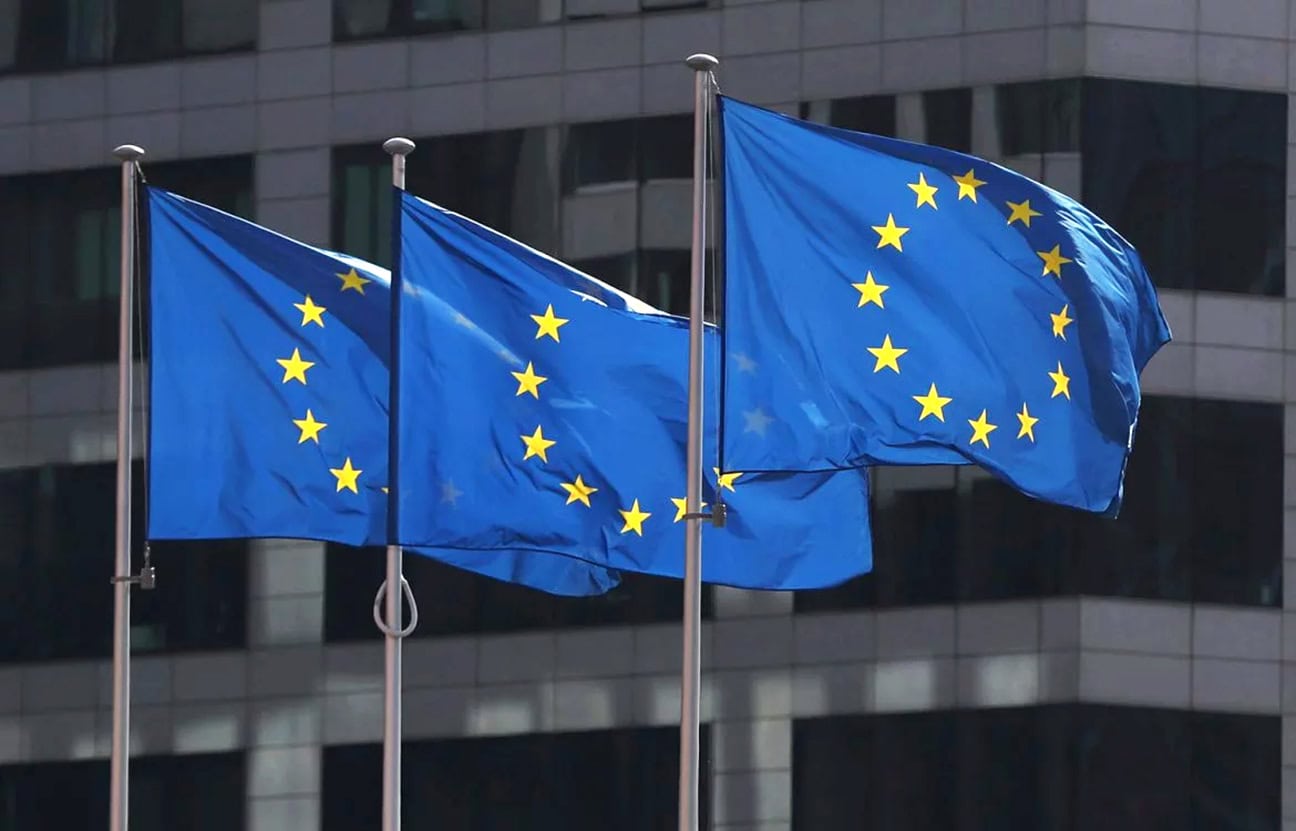
The European Union (EU) approved a new package of sanctions against Russia on Wednesday (22), intensifying the economic siege on the country amid the prolonged conflict in Ukraine. The set of measures, the 19th since the start of the war, provides for additional cuts in imports of Russian gas and oil, as well as severe restrictions on companies and vessels linked to the energy sector.
De acordo com informações divulgadas pela Reuters e confirmadas por Lars Aagaard, Ministro do Clima, Energia e Utilidades da Dinamarca — o país que atualmente detém a presidência do Conselho Europeu —, o acordo entre os Estados-membros foi alcançado após a retirada do veto da Eslováquia. A aprovação formal do texto está prevista para esta quinta-feira (23).
New Measures and Global Reach of Sanctions
The new package significantly expands the scope of the EU’s economic sanctions. According to the proposal presented by European Commission President Ursula von der Leyen, four Chinese oil companies will be included on the sanctions list for helping Moscow circumvent Western restrictions. Indian companies may also be affected, a measure that reinforces the global nature of Brussels’ actions.
In addition, the European bloc decided to completely ban imports of Russian liquefied natural gas (LNG) and sanction 118 ships identified as part of the so-called “shadow fleet” — vessels that, according to European authorities, have been used to transport Russian oil, circumventing international controls.
The energy giants Rosneft and Gazpromneft will be subject to a total embargo, prohibiting them from conducting any type of transaction with companies and financial institutions in the bloc. In a statement, the European Commission stated that the new measures aim to “increase economic pressure on Moscow and its trading partners”.
Moscow’s Reaction
The Kremlin reacted ironically to the new sanctions, downplaying their impact on the Russian economy. “The last three years have clearly demonstrated this with the previous 18 packages of sanctions. Well, it’s not up to us, but to others, to judge how effective they were,” said spokesman Dmitry Peskov.
He also criticized the side effects of the measures on the European countries themselves, stating that the EU “persists on this destructive path” and that the restrictions have caused more damage to the bloc’s economies than to Russia.
Source: brasil247.com