



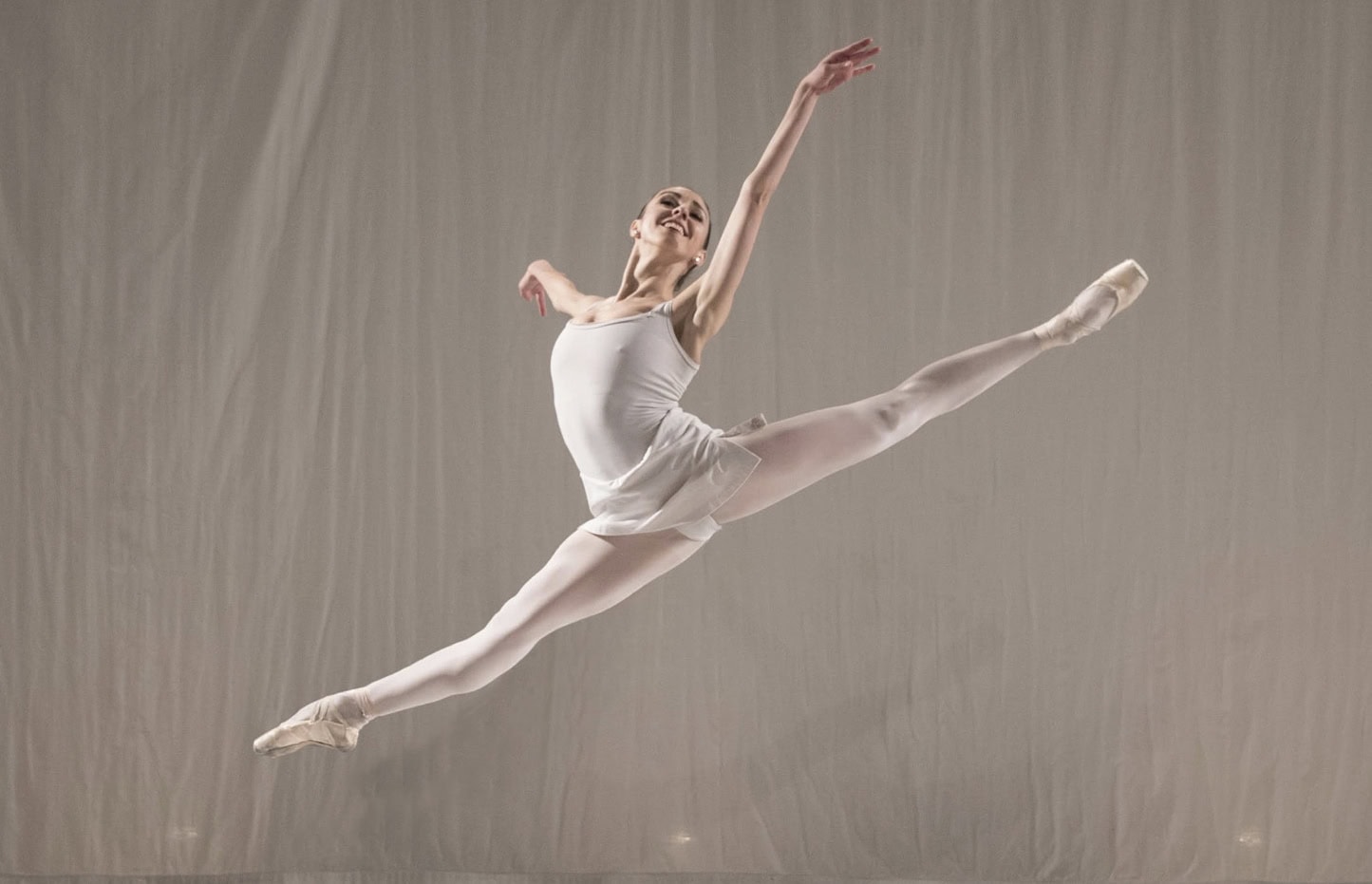
In dance, the audience’s eyes often fixate on perfect pirouettes, elegant lines, and the technique of the movements on stage. But there is something that cannot be rehearsed, that is not learned in the classroom, and that defines the greatness and value of a dancer: their character. Away from the spotlight, it is in the backstage and everyday relationships that the attitudes that truly sustain their success are revealed: Humility in the process, respect for colleagues, and ethics in coexistence.
The Judges’ Gaze and the Silence of Values
In Brazil, where this artistic sport still struggles for recognition – not being valued as a professional space –, discussing these values becomes urgent. There are (across the country) major festivals, selections, and competitions, such as Passo de Arte, Vida ao Corpo, and Joinville Dance Festival, which award, select, and provide opportunities to talented dancers and artists. The YAGP Brasil (Youth American Grand Prix) festival is the most beloved when it comes to scholarships, opportunities, and international careers. It happens annually, and if the dancers perform well, they advance to the finals in New York.
The thing is – not only in these festivals and competitions, but also in performances and shows – that judges and scouts evaluate and seek technique, the perfect physical body, and stage presence. In this way, we forget that art is also made of what is not seen: listening, care, and humanity off the stage.
Director of Ballet Márcia Lago and former dancer, the professional Márcia Lago comments that the jury bases itself only on what it sees on stage, and nothing more: “It’s like they see a photo. They don’t see a movie. A photo is something momentary. It’s something you look at and see if you like it or not. If you like it, you say: ‘Wow, cool, I’d like to give this person a chance’”.
Perhaps it’s time to look beyond the stage and reflect on what kind of artists we are forming and whose voice dance is giving.
Does Only Technical Skill Matter?
Priscila Azzini, dancer, dance teacher, and choreographer with a background in physical education and theater, says that, beyond an artist’s technical skill, she values the sparkle in their eyes. The desire to learn and interest in what one does are notable elements for any teacher. Additionally, she points out that constant hard work and discipline are essential for developing a great dancer, and that success on stage is just the consequence: “Of course, there’s talent, there’s gift, some are more artistic, with stronger musicality and physical strength. But having love for what they do, feeling that, you feeling that they love being there, is very important”. In other words, what truly forms a dance artist for Priscila is affection for the routine and persistence: “That’s what makes a dancer, that love for the classroom. Because everyone likes to perform, to play a good character. But liking the day-to-day, liking to take class, you know? That matters too”, and she concludes by saying it’s about having the humility to listen to those correcting and observing you.
Márcia points out that skill comes third and that ethics and emotions come first: “The person’s character, the way they handle things, honesty in relation to the work and how they approach it, that’s the most important”.
The Gap Between On-Stage Talent and Personality
The institution’s director, with years of experience in the ballet world, conveys the message that being off stage is not so different from being on it, when it comes to actions and way of being: “I think that if a person has good character, if they are humble, if they have good things to transmit, they will transmit them on stage. If they don’t have that range of good things in their heart, in their mind, they won’t be able to transmit emotion… Then it becomes something fake.”
Not only in Brazil, it’s common to see that dancers and artists in general show differences in their success on and off stage. In other words, the technical performance, pirouettes, and arm movements are perfect, while charisma, empathy, and respect for colleagues leave much to be desired in the backstage and dressing rooms. Thus, the following question arises: Is it really necessary to have a good personality to succeed in front of the public?
Isabella Gasparini, professional dancer and first soloist with the Royal Ballet in London, tries to answer the question: “You can always see the artist’s character when they are on stage”. Bel says that people who only focus on recognition or having the perfect foot don’t catch her attention as much as those who do it to feel good. “The ones who really touch me are the honest ones, always humble, you know? Instead of someone forcing something or wanting to show off. Who is thinking about their own ego and not what they are really giving to the public.”
Priscila, in agreement with Márcia, addresses this issue by saying that a dancer’s personality and character directly and intensely affect their performance on stage. “I think the soul, what we have inside us on stage, gets amplified a thousand times. A person can be in the middle of the spotlight, but if they have no light, it doesn’t really work. Because the light comes from that, from a person’s ethics, from kindness, that’s where it comes from”, she commented, getting emotional.
Isabella offered a more academic perspective when talking about artistic behavior off stage, using as an example a guest dancer invited to perform in three shows at the Royal Ballet and his attitudes during classes and rehearsals: “I fell in love with the way he worked in class. Before class, he warmed up, did practically a full barre. I really admire that dedication and respect. People ask if they can stay at the barre next to him, you know?”, the professional admires. “Sometimes, someone they don’t know comes in, who knows nothing. And these people, instead of being receptive and giving space, just give dirty looks”. To sum up her reasoning, she adds: “Anyway, I think everything we do off stage will reflect when we dance, you know? But if you’re a disgusting person that no one likes, the energy changes. You don’t feel that warmth from the person. That support. I think that affects a lot”.
The Dark Side of Dance That Doesn’t Reach the Public’s Eyes
Some say that the dance world is competitive, selective, and sometimes cruel. In an important audition, for example, it’s rare to find a dancer who gives you a friendly look, especially because they see you as competition and someone who could take their place.
Speaking about her professional journey to reach the Royal Ballet in London, Isabella comments: “Rivalry exists everywhere. And falseness too.” The dancer notes that in the backstage of a performance, the atmosphere is one of putting on a beautiful and harmonious show. The problem would be in classes and rehearsals.
When talking about classical ballet, Priscila addresses the difficulties every dancer faces: the standardization of the body and its rigor, even if you have the perfect artistic side. “If the dancer steps on stage thinking about that and the mind is not prepared, it swallows her. She freezes.” Additionally, Priscila mentions that many dancers get unique opportunities in dirty ways and recounts the time when her colleagues rejected her in a selection and told her that if she didn’t remember the purpose there, she would quit. “Everyone around you, who’s with you, wants you to break your leg on the next pirouette. Unfortunately, it’s a reality. Everyone fought hard for that, and some don’t handle competitiveness in a healthy way, they handle it badly.”
Márcia Lago explores her values in relation to facing this rivalry: “You always have to keep in mind that you want to do your best and not prove to anyone that you’re the best. It has to be for you and by you. Without trying to worry about what people think” and adds that art is subjective when it comes to judgments, that there’s taste for everything, and sometimes it’s hard for a dancer to please a judge. To conclude, she comments a bit on comparison based on her own experience: “I think we don’t need to look to the side or pay attention to others to advance. Comparison is not healthy”.
EDUARDA DE NADAI GENERATO
Journalist