



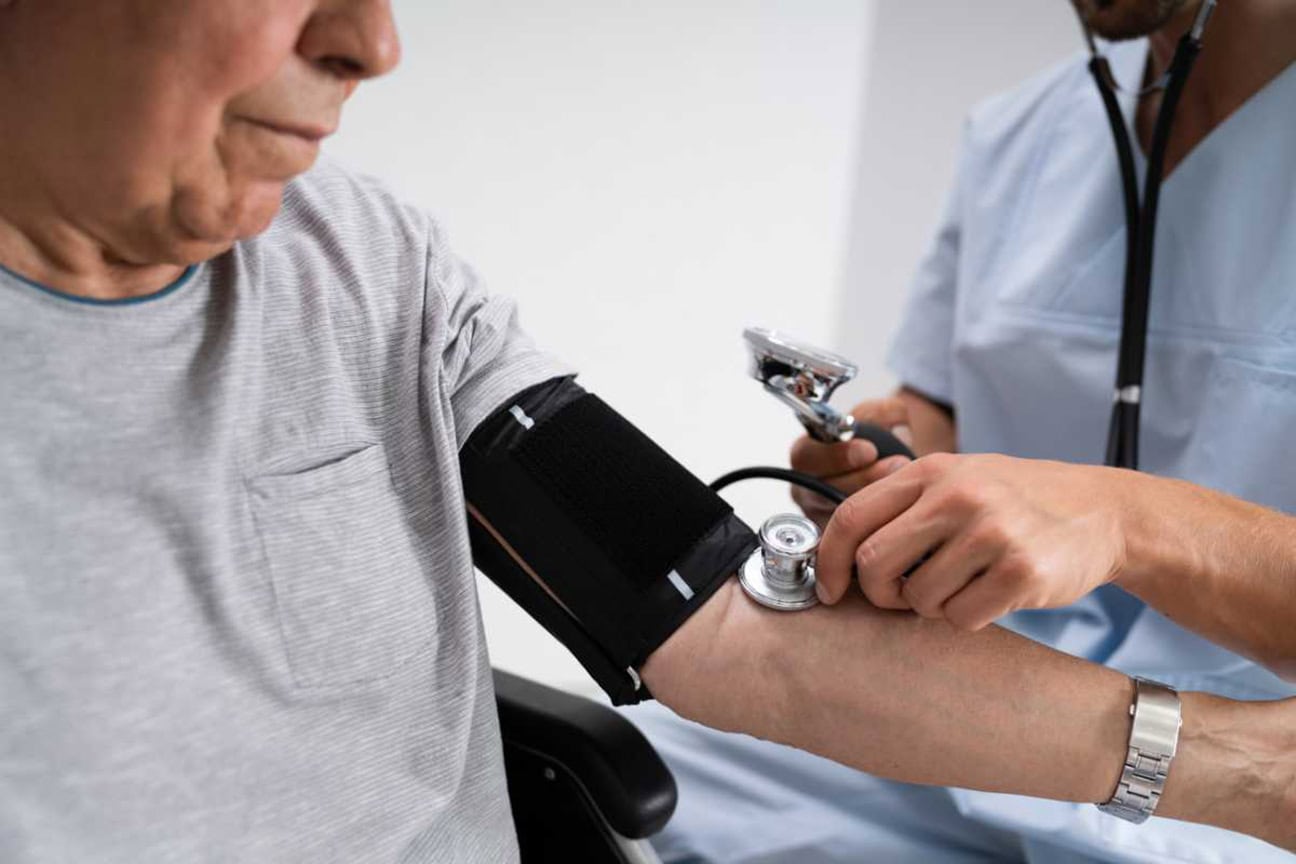
Hypertension (high blood pressure) occurs when the pressure in the blood vessels is too high (140/90 mmHg or higher). It is common but can be serious if left untreated.
People with high blood pressure may not feel any symptoms. The only way to know is to measure blood pressure.
Blood pressure is written as two numbers. The first (systolic) represents the pressure in the blood vessels when the heart contracts or beats. The second (diastolic) represents the pressure in the vessels when the heart rests between beats.
Hypertension is diagnosed if, when measured on two different days, the systolic blood pressure readings on both days are ≥140 mmHg and/or the diastolic blood pressure readings on both days are ≥90 mmHg.
Key Facts
It is estimated that 1.28 billion adults aged 30–79 worldwide have hypertension, with the majority (two-thirds) living in low- and middle-income countries.
It is estimated that 46% of adults with hypertension are unaware they have the condition.
Less than half of adults (42%) with hypertension are diagnosed and treated.
Approximately 1 in 5 adults (21%) with hypertension have it under control.
Hypertension is one of the leading causes of premature death worldwide.
One of the global targets for non-communicable diseases is to reduce the prevalence of hypertension by 33% between 2010 and 2030.
Risk Factors
Modifiable risk factors include unhealthy diets (excessive salt intake, diet high in saturated and trans fats, low intake of fruits and vegetables), physical inactivity, tobacco and alcohol use, and being overweight or obese. Additionally, there are environmental risk factors for hypertension and associated diseases, with air pollution being the most significant.
Non-modifiable risk factors include a family history of hypertension, age over 65, and coexisting conditions such as diabetes or kidney disease.
Symptoms
Most people with hypertension do not feel symptoms. Very high blood pressures can cause headaches, blurred vision, chest pain, and other symptoms.
Checking your blood pressure is the best way to know if you have high blood pressure. If hypertension is left untreated, it can lead to other health conditions such as kidney disease, heart disease, and stroke.
People with very high blood pressure (usually 180/120 or higher) may experience symptoms including:
• Severe headaches
• Chest pain
• Dizziness
• Difficulty breathing
• Nausea
• Vomiting
• Blurred vision or other changes in vision
• Anxiety
• Confusion
• Ringing in the ears
• Nosebleeds
• Abnormal heart rhythm
Prevention
Lifestyle changes can help lower high blood pressure and assist anyone with hypertension. Many who make these changes will still need to take medication.
These lifestyle changes can help prevent and reduce high blood pressure.
Do:
• Eat more vegetables and fruits.
• Spend less time sitting.
• Be more physically active, which can include walking, running, swimming, dancing, or activities that build strength, such as weight lifting.
• Get at least 150 minutes per week of moderate-intensity aerobic activity or 75 minutes per week of vigorous-intensity aerobic activity.
• Do muscle-strengthening exercises 2 or more days a week.
• Lose weight if you are overweight or obese.
• Take medications as prescribed by your healthcare professional.
• Keep appointments with your healthcare professional.
Do Not:
• Eat very salty foods (try to stay below 2 grams per day)
• Eat foods high in saturated or trans fats
• Smoke or use tobacco
• Drink alcohol excessively (maximum 1 drink daily for women, 2 for men)
• Miss medication.
• Reducing hypertension prevents heart attack, stroke, and kidney damage, as well as other health problems.
Source: WHO