



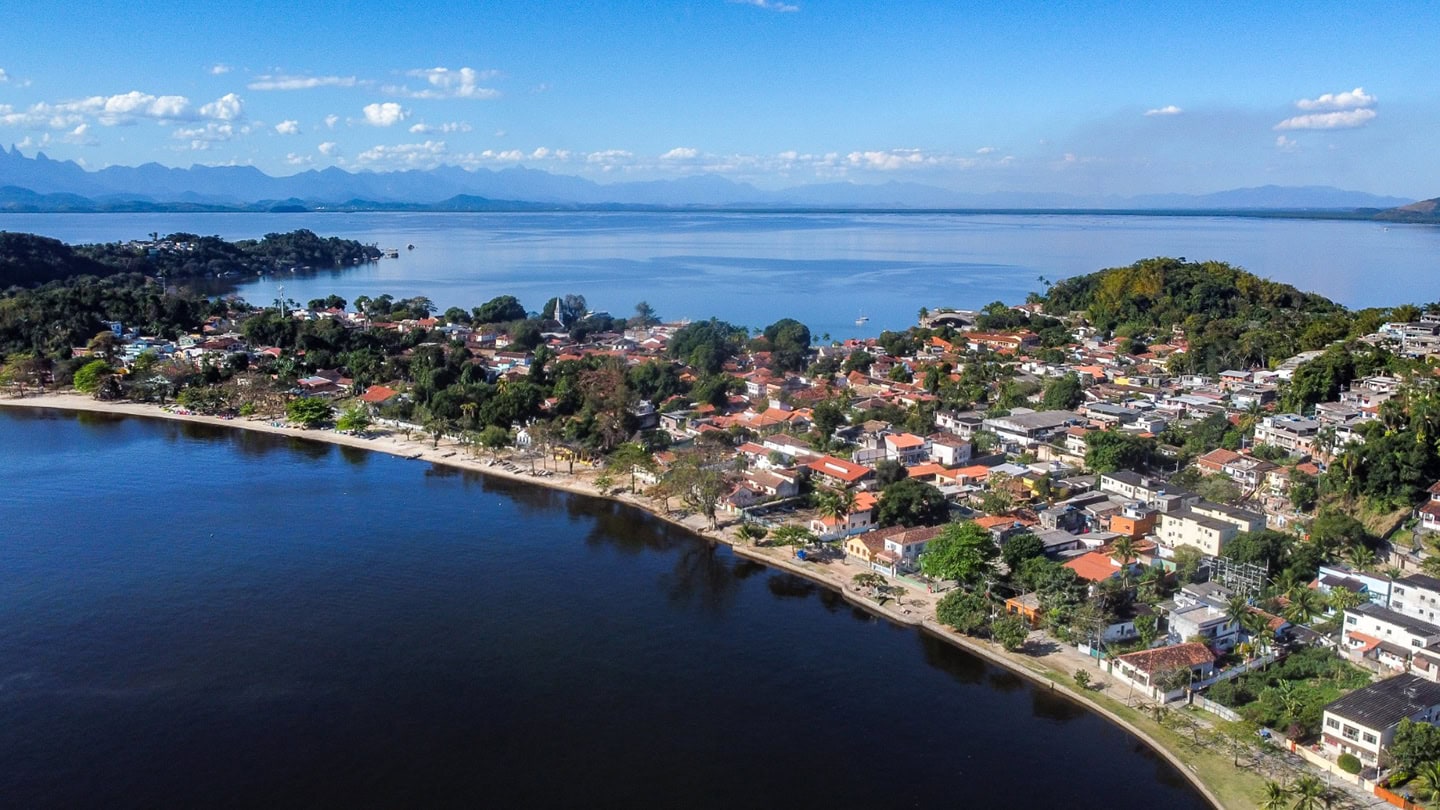
A nearby island to Rio, the district belonging to the administrative region of the Center, is just an hour from the city. The island was occupied by the French even before the founding of the city of Rio de Janeiro, thus Paquetá gained historical importance, served as a food depot, became a refuge for Dom João VI, and housed the patriarch of independence, José Bonifácio, whose property will host the facilities of the future Museum of Communication and Customs.
With its century-old houses, transportation is done by motorized carts, bicycles, tricycles, and the so-called eco-taxis. Just over 4,500 people live on the island, and some work in the city of Rio. The crossing between Rio and the island is done by ferries leaving from Praça XV, taking about 70 minutes to complete the crossing, providing a journey to the early 19th century with a bucolic atmosphere that invites relaxation.
In addition to outdoor activities, Paquetá invests in cultural attractions to attract new visitors, without neglecting the atmosphere of a small town. The Paquetá Arts House maintains a permanent exhibition with the history of the place, from colonization, and is also a nice place to go with children. It has a charming bistro, gazebo, and a garden that they love.
The Paquetá water terminal is located at Praça Pintor Pedro Bruno, on Paquetá Island. The crossing and schedules can be checked on the CCR Barcas concessionaire’s website.
Attention! Before visiting the site, check the official website and/or social media of the tourist attraction for operating hours and ticket information.
Source: Riotour