



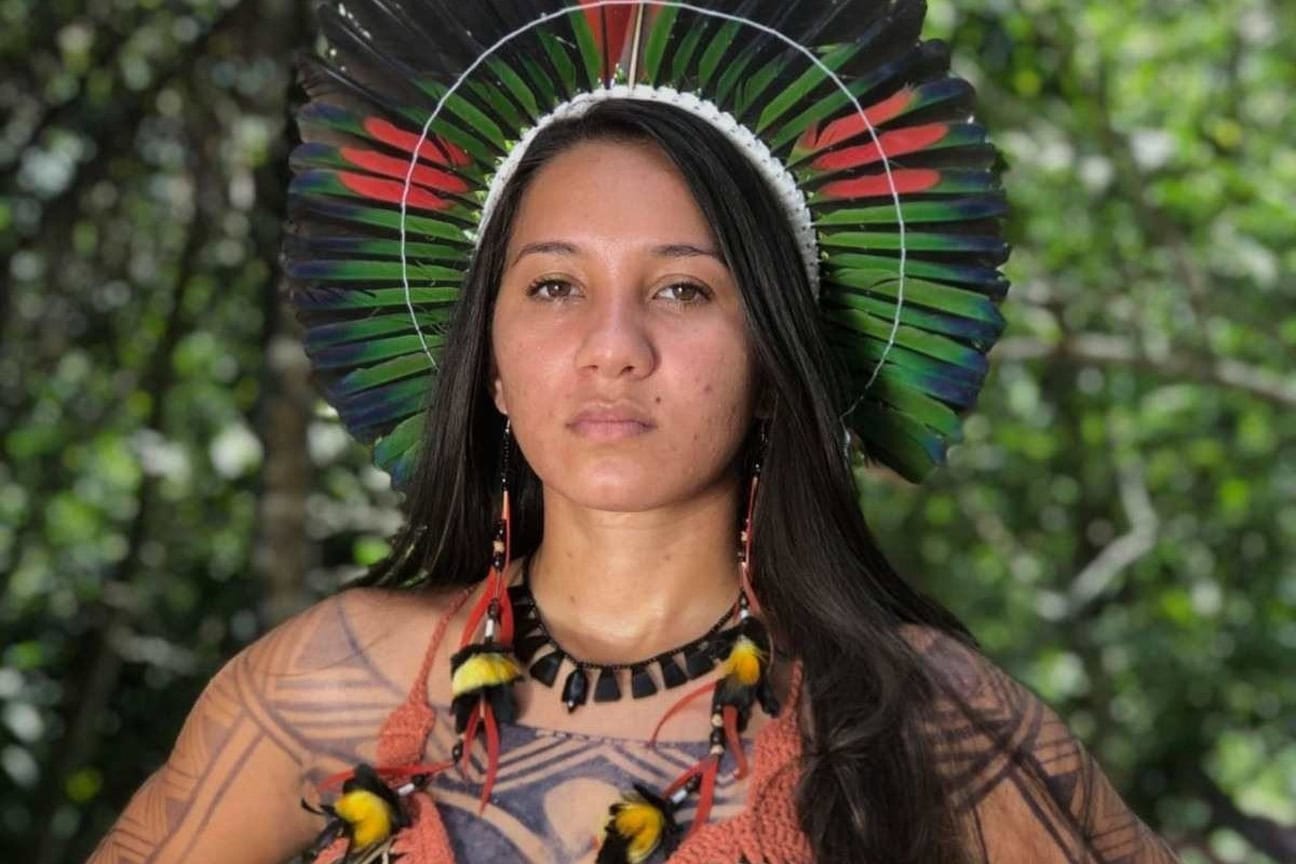
According to data from the 2022 Census conducted by the Brazilian Institute of Geography and Statistics (IBGE), the government agency responsible for statistics, Brazil is home to about 1.7 million self-declared indigenous people belonging to 305 ethnic groups. This population represents 0.83% of the country’s total population.
More than half — 51.25%, or 867,900 indigenous people — reside in the Legal Amazon region.
Indigenous communities are spread across 86.7% of Brazil’s municipalities. The states of Amazonas (490,900) and Bahia (229,100) host the largest indigenous populations, together representing 42.51% of the total indigenous population. In Brazil, 274 languages are spoken by various indigenous peoples. Before Portuguese colonization, it is estimated that this number reached 1,200 languages, serving as vehicles for the oral transmission of ancestral knowledge.
On the occasion of Indigenous Peoples Day this Friday (April 19), Funai, the national indigenous authority, is promoting Indigenous April 2024 throughout the month. This initiative encompasses a range of activities, including exhibitions, fairs, citizenship drives, and inclusion efforts aimed at traditional communities. These efforts aim to honor cultures and ancestry, as well as celebrate the resilience and ongoing struggles of this segment of the Brazilian population.
Joenia Wapichana, president of Funai, highlighted in an interview with Empresa Brasil de Comunicação (EBC) that since the inauguration of President Luiz Inácio Lula da Silva’s government in 2023, Funai, established 56 years ago, has rejuvenated its institutional commitment to the protection of indigenous peoples. According to her, this revival comes after what she describes as the dismantling of policies aimed at indigenous issues, environmental protection, and assistance to this population.
According to Wapichana, the challenges faced by indigenous peoples in Brazil mirror those encountered by Funai. The organization’s main objectives include consolidating land demarcations and ensuring the preservation and sustainable management of indigenous territories. Additionally, they prioritize the defense of indigenous rights, empowering communities to undertake projects that promote sustainability and well-being, safeguarding traditional ways of life, culture, and language, promoting physical security, and protecting isolated and recently contacted peoples.
“The main demand of indigenous peoples is to ensure the protection of their identities and to prevent violence solely because of their indigenous status,” she stated. “Preserving these rights, as outlined in our Constitution, remains our top priority to prevent any setbacks or dismantling.”
Source: Agência Brasil