



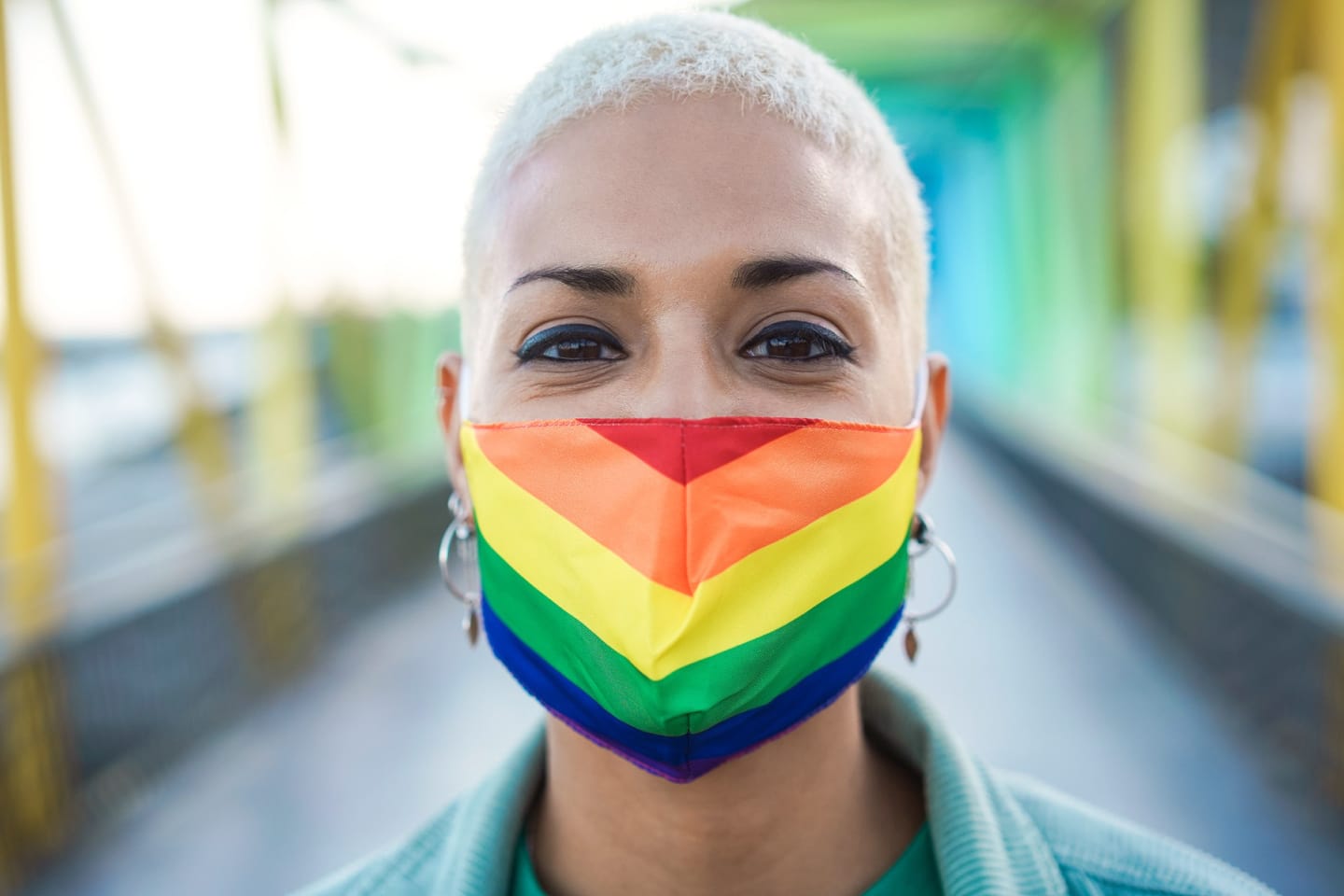
LGBT Pride Month is a month, typically June, dedicated to celebrating and commemorating lesbian, gay, bisexual, and transgender (LGBT) pride, observed in the Western world. Pride Month began after the Stonewall riots, a series of protests for gay liberation in 1969, and has since spread beyond the U.S. Modern Pride Month both honors the LGBT rights movement and celebrates LGBT culture.
The concept of Pride Month began with the Stonewall riots, a series of uprisings for gay liberation that occurred over several days starting June 28, 1969. The riots began after a police raid at the Stonewall Inn, a gay bar located in Lower Manhattan, New York City. Activists Marsha P. Johnson, Sylvia Rivera, and Stormé DeLarverie are credited with inciting the riots, although Johnson contests her involvement.
In the year following the riots, the first pride marches were held in various U.S. cities. The march in New York, intended to celebrate “Christopher Street Liberation Day,” along with parallel marches in the U.S., is considered a turning point for LGBT rights. Fred Sargeant, an organizer of some of the first marches, stated that the goal was to commemorate the Stonewall riots and further push for liberation. He noted that while the early marches were more similar to a protest than a celebration, they helped remind people of the LGBT communities and how they can include family and friends. However, trans women and people of color were noted as being excluded or silenced during the early marches, despite the initial riots largely consisting of them.Expansion and Celebration
After the Stonewall riots and the first pride marches, the number of LGBT groups rapidly increased, and the pride movement spread across the United States after a few years. By 2020, most pride celebrations in major urban areas around the world are held in June, although some cities hold them at different times of the year, partly because the weather in June is suboptimal for these events there.Recognition
In June 1999, U.S. President Bill Clinton declared “the anniversary of the [Stonewall] riots every June in America as Gay and Lesbian Pride Month.” In 2011, President Barack Obama officially expanded the recognized Pride Month to include the entire LGBT community. In 2017, however, Donald Trump refused to continue the federal recognition of Pride Month in the United States, although he later recognized it in 2019 in a tweet that was subsequently used as a Presidential Proclamation. After taking office in 2021, Joe Biden recognized Pride Month and pledged to advance LGBT rights in the United States, despite having previously voted against same-sex marriage and school education on LGBT issues in the Senate.
Additionally, Pride Month is often observed in various religious congregations that affirm LGBT individuals.Criticism
Some have criticized how many companies launch Pride Month-themed products, comparing it to the concept of slacktivism, as companies are perceived as using the theme of LGBT rights as a means of profit without contributing to the movement in a meaningful way. Others criticized the apparent hypocritical nature of companies that have social media profiles evoking the rainbow pride flag while refusing to change profile pictures in areas without broad LGBT acceptance.Variants
In 2018, an internet meme circulated around the concept of a “month of rage,” a pun on pride and rage, both of which are part of the seven deadly sins of Christianity, to occur in July after the end of Pride Month.Source: Wikipedia