



Whether in blues, rock, gospel, or jazz, Black female artists in the music industry have made historic impacts over the years. From pioneers like Billie Holiday, Aretha Franklin, and Diana Ross to modern icons like Missy Elliott, Mariah Carey, Beyoncé, and Rihanna, countless women have paved the way for young Black girls aspiring to be singers or rappers one day. However, like women in many other professions, female musicians—especially Black women—still have a different experience than their male counterparts.
The lack of recognition and representation given to Black female artists is an ongoing concern. At a time when diversity and inclusion are at the forefront of conversations, will music finally address its lamentable lack of female representation?
Joy Joseph began her career as a live percussionist in the London club scene and has since built a reputation as a drummer, songwriter, and creator of innovative songs. She is a quarter of Black Gold Buffalo, a Dark Pop band with roots in the East London New Wave movement. Nowadays, she lives in Brooklyn, New York, and in addition to investing in her personal projects, she teaches children at a school.
Her contribution to Mr. Hudson and The Library, alongside singer-songwriter Mr. Hudson, set her on the path to a career touring globally with artists like Kanye West, Amy Winehouse, Groove Armada, Calvin Harris, The Police, Erykah Badu, Mika, Duke Dumont, and New Build.
She has faced many challenges over the years, not only as a Black woman but as a musician in an industry where timing is everything. “I feel like attitudes are improving now. I’ve had some tough moments in life, like being stopped at airports during travels, and that’s the problem in society regarding stereotypes. I still think the world needs a lot of work on this. But I believe it’s getting better. I see more women in the industry now in positions of power, like managers and producers. Representation is better than it was 10 years ago.”
Generally, we do not consider the years of practice, commitment, and challenges that musicians face in their careers before entertaining us. Each musician’s journey is unique. For some, the path to success in the music industry can be short.
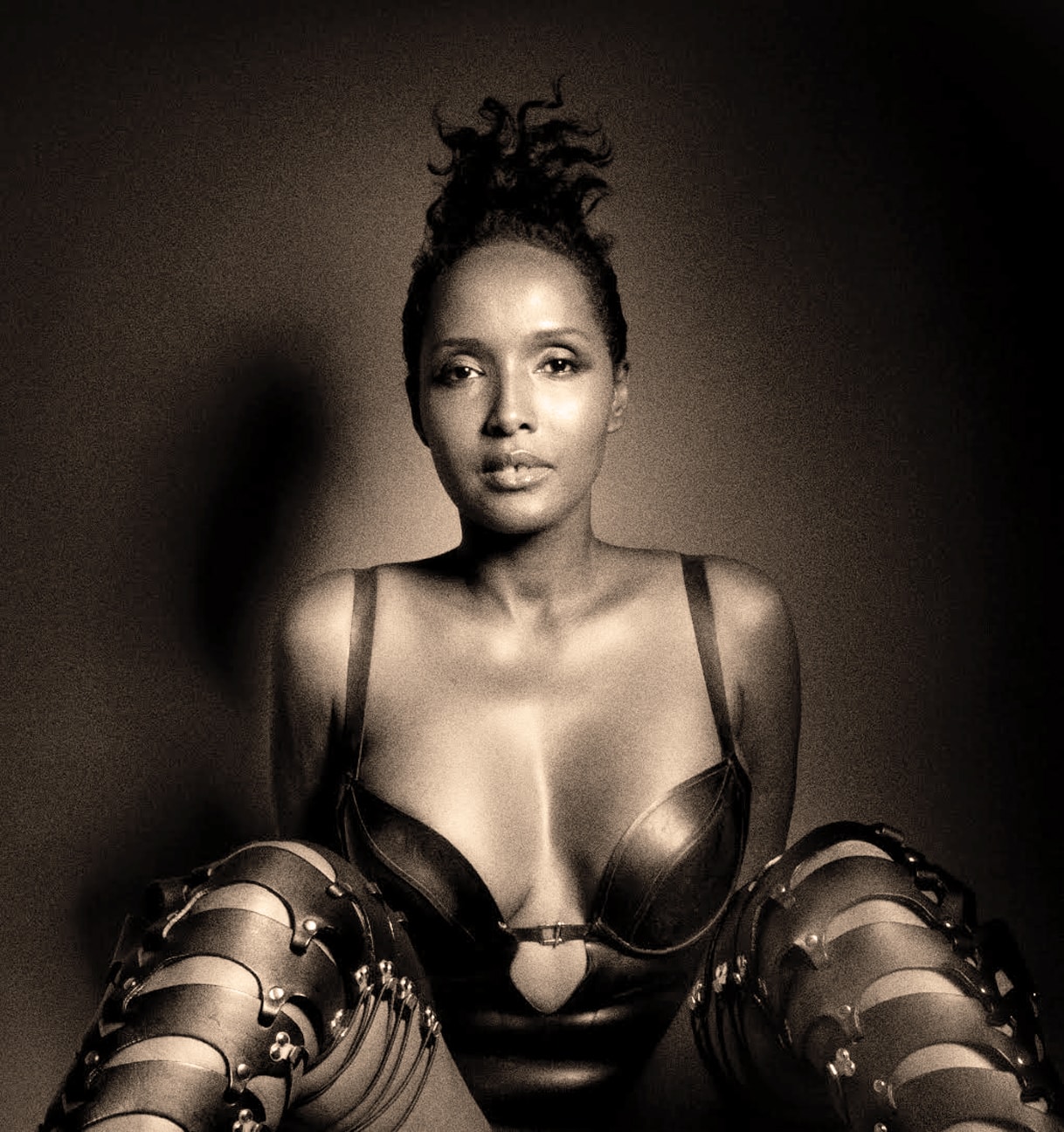
As a child, Nasra Corbel wrote poetry, sang, danced, and played keyboard. At 14, she signed with a local record label in Dubai, Stallion Records. Shortly after, with BMG as a teen pop singer. “We spent a lot of time recording in the studio, but that venture didn’t go far. Stallion was looking for young artists to sign at the time, but not to develop them artistically.”
Nasra moved to France before turning 18. “I stayed in Le Marais and went out at Cafe de la Gare. I took music lessons with an amazing teacher, Albert Assayag. He wrote all the arrangements for my first complete music composition! He also introduced me to my first music agent.” And the rest is history. After turning 18, she worked on her debut album incorporating French, English, and Arabic. “I was very lucky to work with amazing French and African musicians. The exposure was incredible for a young girl from Dubai! Paris inspired feelings to compose more music. The songs started to flow from me!”
Gender Equality in Music
Patrick Kyle grew up in the 80s, singing in church and listening to his older siblings’ records. Before moving to New York in 1999, he traveled nationally as a performer in the musical Footloose.
“I grew up in Pasadena, TX, just a few blocks from Gilley’s, a honky tonk famous for the movie Urban Cowboy. I grew up in a religious church family, where, at the time, my older siblings and I couldn’t listen to secular music. My first songs were church hymns and Christian pop music. When I was 8 or 9, my siblings introduced me to what they were listening to, but it had to be kept a secret. In 1988, 93Q began broadcasting live from Club 6400, a club that used to be called Fizz. The
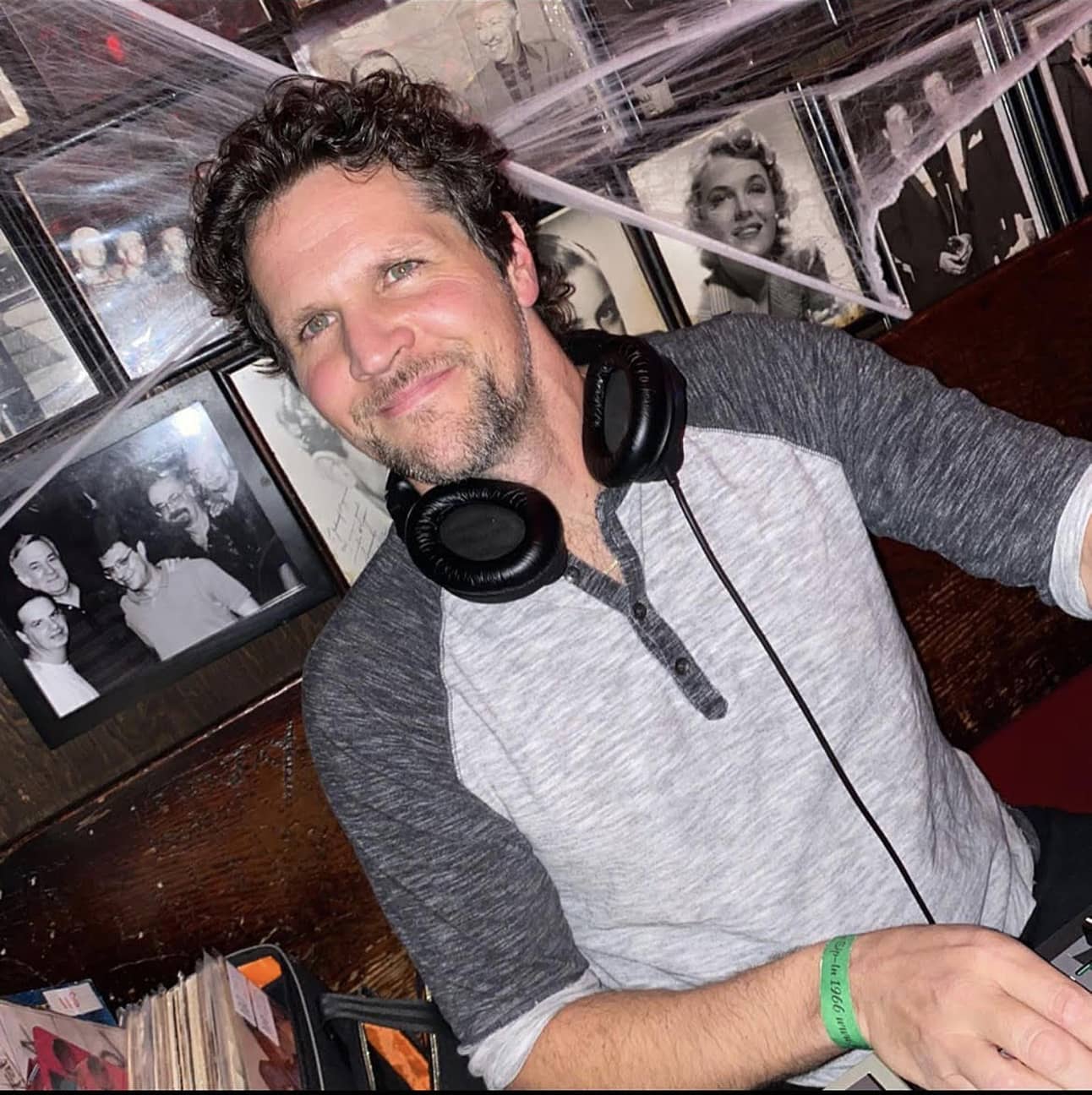
DJs played New Wave, Industrial, EBM, and electro. This started when I was 11. It changed my life. I recorded those broadcasts on cassette tapes and started my record collection by scouring record stores, trying to find that music.”
Shortly after graduating college, Patrick moved to New York and quickly seized the new opportunity. “So many restaurants, bars, small clubs, and stores want DJs to play, but there’s a lot of competition. Forging genuine friendships based on shared musical tastes helps land gigs more than anything else. Having grit is important. People respond to passion and desire, especially in a city where everyone is fighting for work. They see themselves in that desire to succeed. In a way, it’s easier to succeed in NYC because of the number of opportunities. If you were in a smaller city, you might not get as far.”
Patrick’s favorite musicians are the classic NYC DJs who are still around today: Nicky Siano and Danny Krivit. He sees Eli Escobar on the path to becoming a legend in his own right. Other DJs who inspire him include JaydaG, DeeDiggs, and the team The Carry Nation.
“I look for DJs who introduce me to new music that I will love. I love seeing them play. I introduce myself to these DJs and sometimes play alongside them.”
Regarding gender equality, Patrick Kyle expressed hope that anyone passionate about being in the music industry is not discouraged because of their gender. “People want to give opportunities to a diverse group of people. That represents NYC and its clientele.”
His advice for those starting in the music scene is to be persistent. If you want to do something, keep knocking on doors. One will eventually open for you. Look for people who share the same values and music you like to play. Besides gigs, start your own party. Your friends will want to support and cheer for you. When you meet someone who could potentially hire you, stay in touch. Try your best to start a genuine friendship with them. Some will respond better than others. If you have a vision of the kind of DJ you want to be, stay true to it. If not, no problem, it means you will attract more people and tastes. Being able to play vinyl and digitally will set you apart from the competition.
“Your genuine love for music will always be something that stands out. At the end of the day, we are all dance music nerds. Almost everyone who goes to see these shows will somehow also be a dance music nerd. That will give you something to talk about. Start there, but don’t fake affection. Be sincere. You don’t need to tell people you love them. That will shine in your eyes and in how you treat people,” says Patrick Kyle.
VIVIANE FAVER
Journalist
vfaver@gmail.com