



Addressing the climate crisis is central to U.S. foreign policy, said Secretary of State Antony Blinken. He called it central to the national security of the United States and countries around the world, ahead of the U.S.-hosted Leaders Summit on Climate on April 22 and 23.
“This is already a total mobilization effort in our government and our nation,” Blinken said on April 19 during a speech in Annapolis, Maryland. “Our future depends on the choices we make today.”
For this reason, President Biden invited 40 world leaders to participate this week in the Leaders Summit on Climate. In his invitation, Biden urged leaders to use the summit as an opportunity to outline how their countries will also contribute to stronger climate ambition.
Blinken addressed climate change as a driver of both conflict and migration. “Climate change exacerbates existing conflicts and increases the chances of new ones – particularly in countries where governments are weak and resources are scarce,” Blinken said. “As essential resources like water diminish, as governments struggle to meet the needs of growing populations, we will see more suffering and more conflict.”
Citing recent extreme weather patterns, historically, Blinken said: “We are running out of records to break. And unless we reverse this, it will get worse.”
At home, the U.S. will tackle climate change by investing in clean energy jobs and technologies that offer creative solutions to limit carbon emissions.
The United States is responsible for 15% of global carbon emissions and plans to lead by example in reducing them, Blinken said. A new ambitious and bold U.S. emissions target will demonstrate America’s commitment to tackling the climate crisis and mobilizing the rest of the world to act.
The U.S. government will work with countries around the world to contain the remaining 85% of global carbon emissions through diplomacy and public-private partnerships, he said.
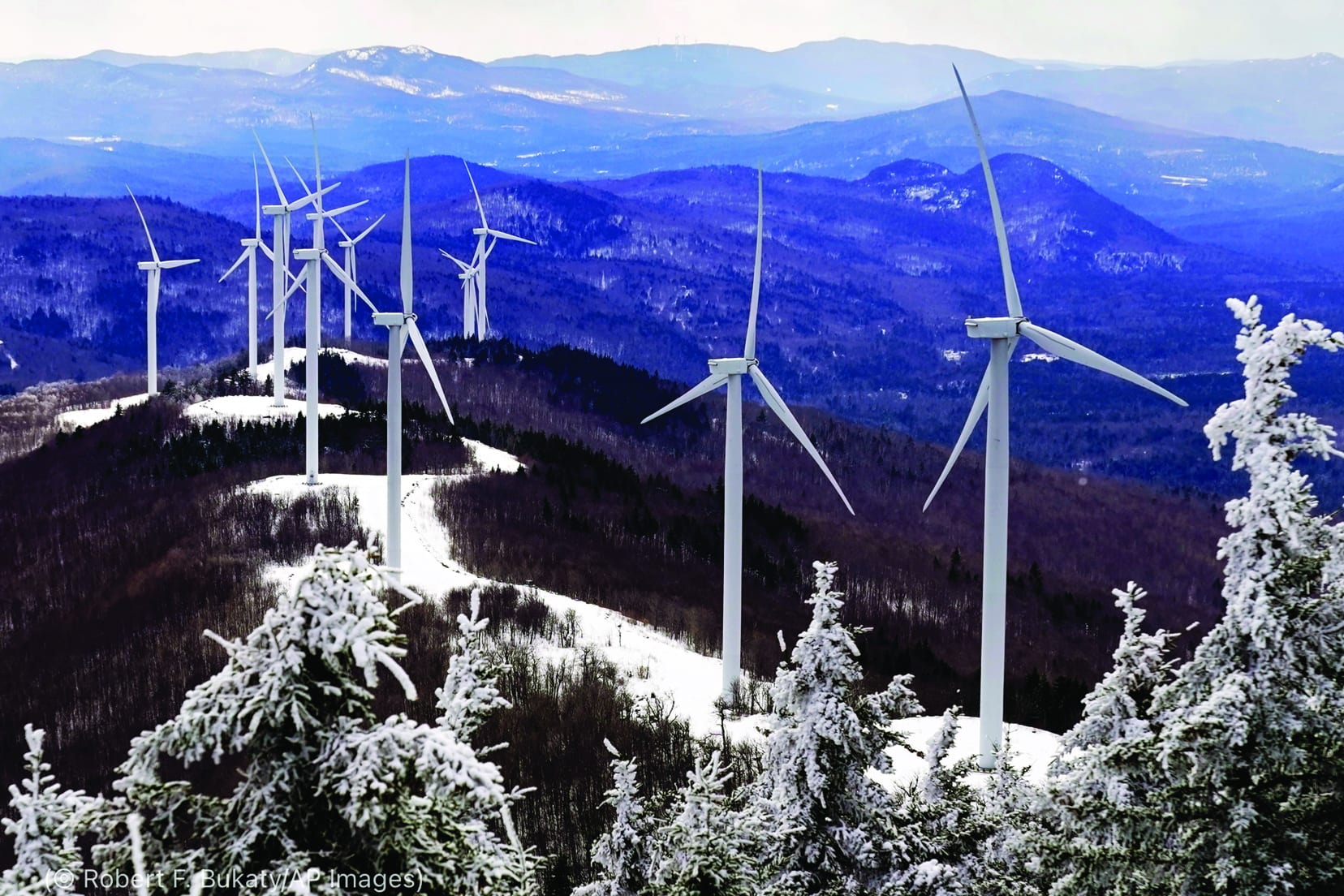
Reducing global carbon emissions means investing in renewable energy and phasing out coal. And green energy can bring economic benefits — the global renewable energy market is expected to exceed $2 trillion by 2025, and countries that take decisive action now to create the industries of the future will be the ones to reap the economic benefits of the clean energy revolution.
In the United States, solar and wind technologies are already among the fastest-growing job sectors. The U.S. private sector is poised to equip countries with the same technology.
These partnerships are already underway. Recently, the American company Sun Africa began constructing a 144-megawatt solar power plant in Angola. When completed, it will be the largest in sub-Saharan Africa, Blinken said.
“If we succeed, we will capitalize on the greatest opportunity in generations to create quality jobs,” he said. “We will build a more equitable, healthy, and sustainable society; and we will protect this magnificent planet.”
Source: share.america.gov, by Noelani Kirschner