



Category: Ecology
-
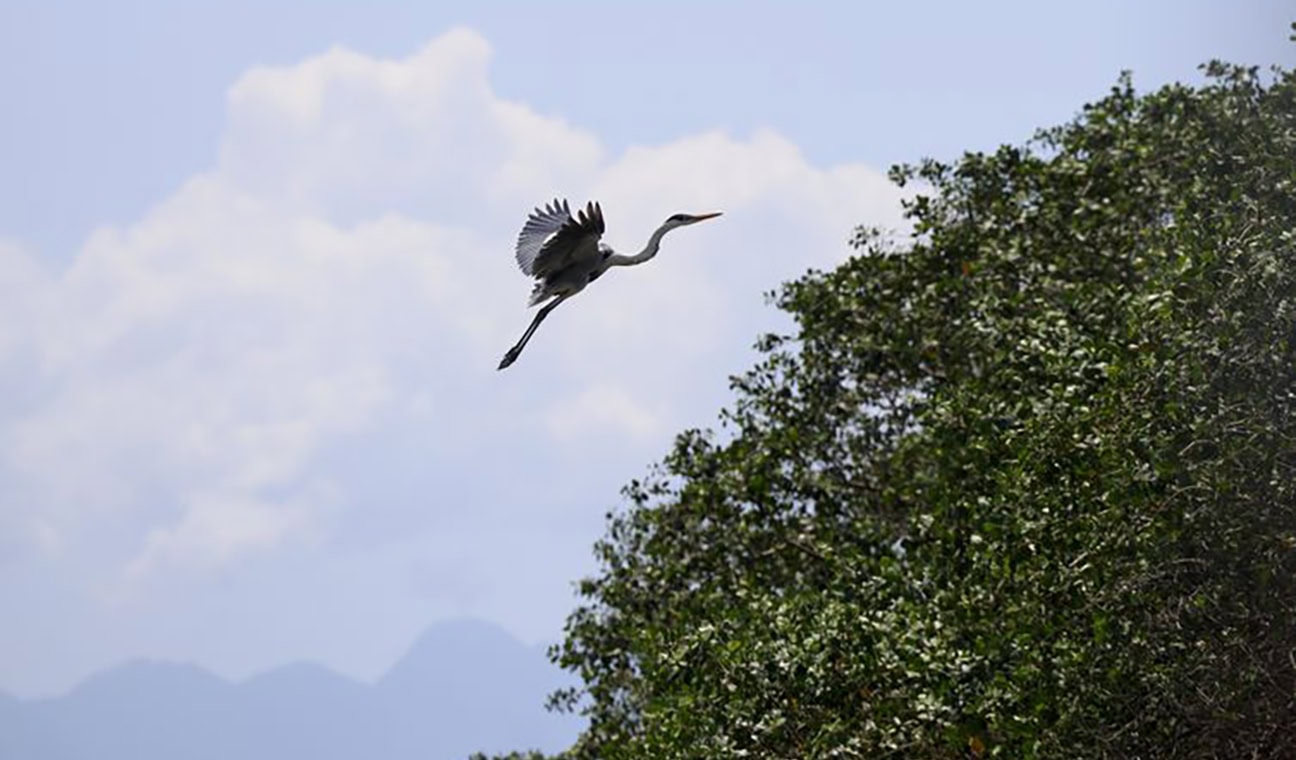
Reforestation Brings Wildlife Back to Rio de Janeiro’s Mangroves
The Guapi-Mirim Environmental Protection Area, in the Rio de Janeiro metropolitan region, is once again receiving residents who had not frequented the area for a long time; the region encompasses mangroves in Guanabara Bay. These are birds, crabs, spiders, and butterflies that feel welcomed again in an ecosystem that, after years of degradation, is showing…
-
Reforestation Brings Wildlife Back to Rio de Janeiro’s Mangroves
The Guapi-Mirim Environmental Protection Area, in the Rio de Janeiro metropolitan region, is once again home to species that had disappeared long ago. This area, which includes mangroves in Guanabara Bay, now welcomes back birds, crabs, spiders, and butterflies, as the ecosystem shows signs of regeneration after years of degradation. This new scenario was described…
-
Marine ecosystems threatened by heat, acidity, and low chlorophyll levels
—
by
A combination of three phenomena is increasingly threatening ecosystems in the southern and equatorial regions of the Atlantic Ocean: marine heatwaves, high acidification, and low chlorophyll concentration. Before 2016, it was uncommon for these factors to converge. Since then, they have been observed simultaneously every year. The three phenomena stem from the current climate emergency.…
-
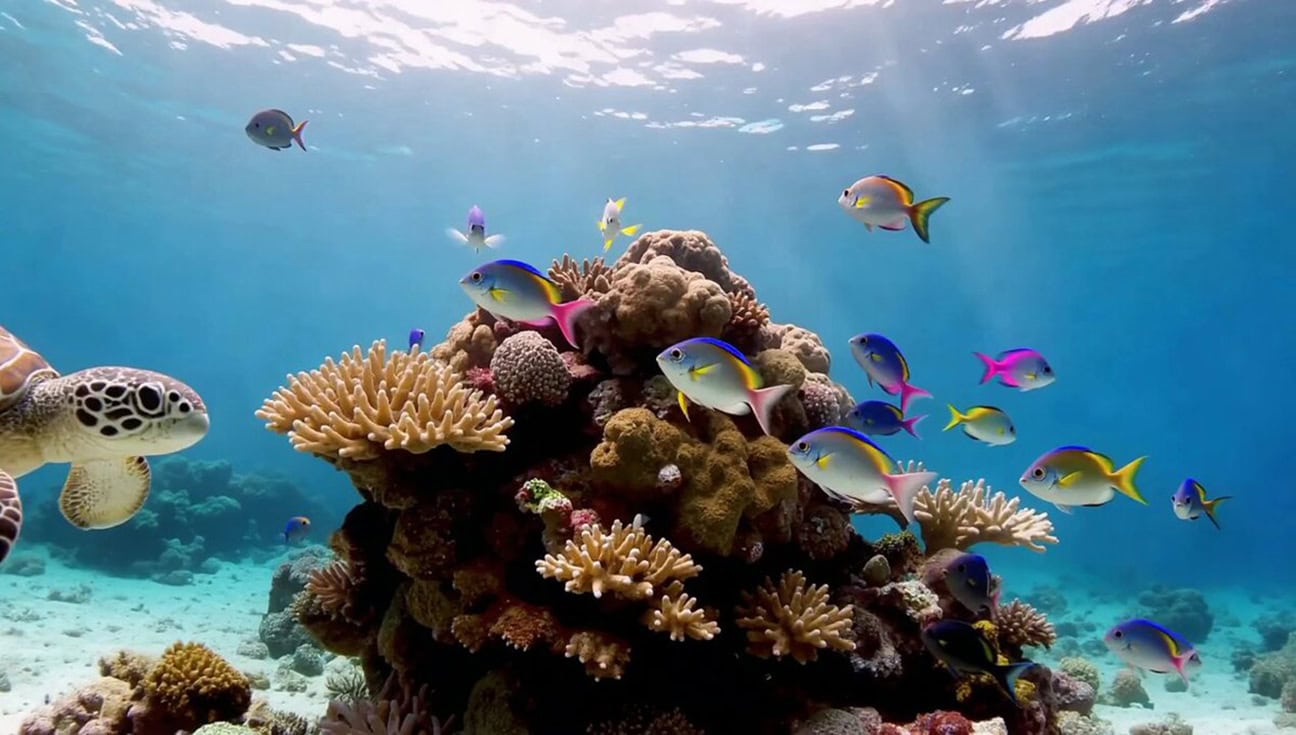
Marine Ecosystems Threatened by Heat, Acidity, and Low Chlorophyll Concentrations
—
by
A combination of three phenomena is increasingly threatening ecosystems in the southern and equatorial regions of the Atlantic Ocean — marine heat waves, high acidification, and low chlorophyll concentrations. Before 2016, it was uncommon for these factors to converge. Since then, they have been observed simultaneously every year. The three phenomena derive from the current…
-
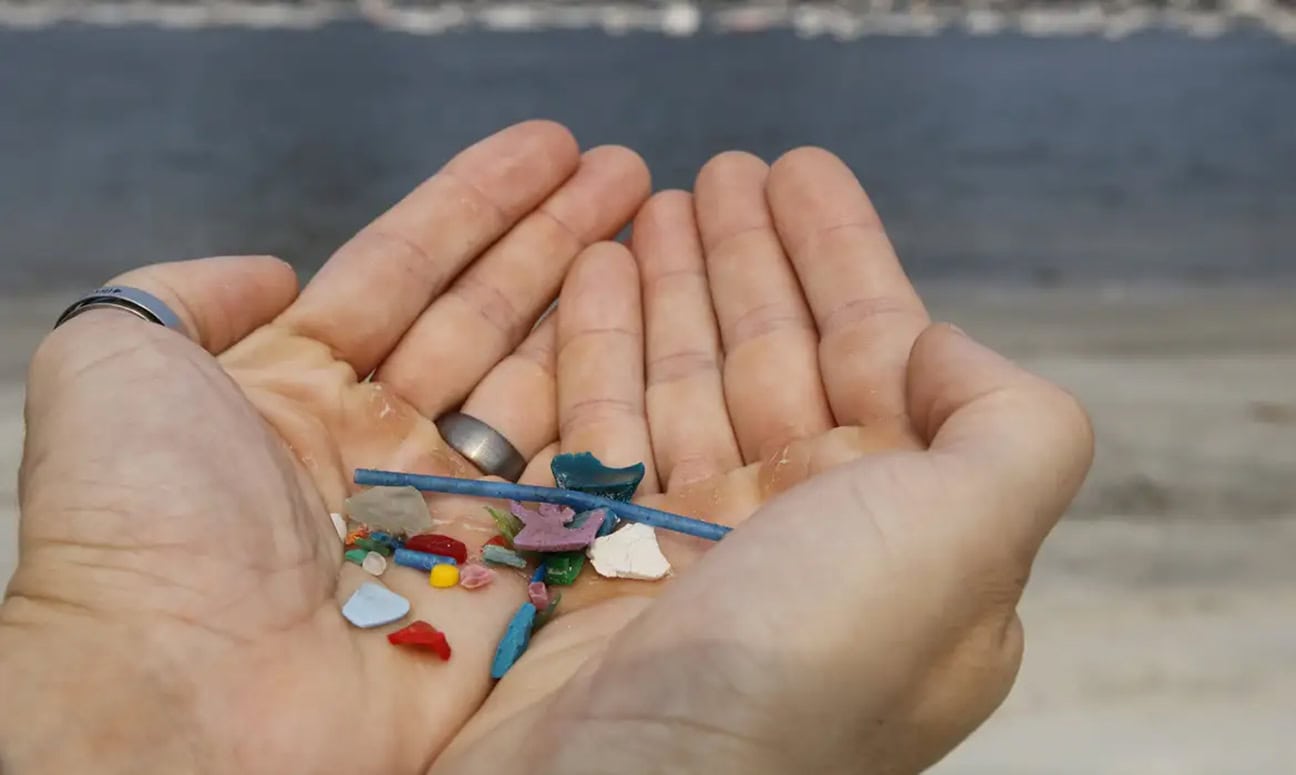
Scientists list strategies to combat microplastics in Brazil
The Brazilian Academy of Sciences launches report with strategies to combat microplastics, which contaminate rivers, oceans, and even the human body.
-
Scientists list strategies to combat microplastics in Brazil
The Brazilian Academy of Sciences (ABC) launches this Thursday (August 14) the report Microplastics: A Complex and Urgent Problem. The document analyzes the effects of improper plastic disposal and proposes strategies to combat the tiny fragments that contaminate the environment, especially rivers and oceans. According to the bibliographic survey, Brazil is responsible for up to…
-
Brazilian scientists identify new species of prehistoric fish
Researchers from the State University of Rio de Janeiro (Uerj), in partnership with the National Museum of the Federal University of Rio de Janeiro (UFRJ), identified the fossil of a new species of prehistoric fish in the Antarctic Peninsula. The discovery was published this Monday (11) in the scientific journal Nature. The articulated specimen, named…
-
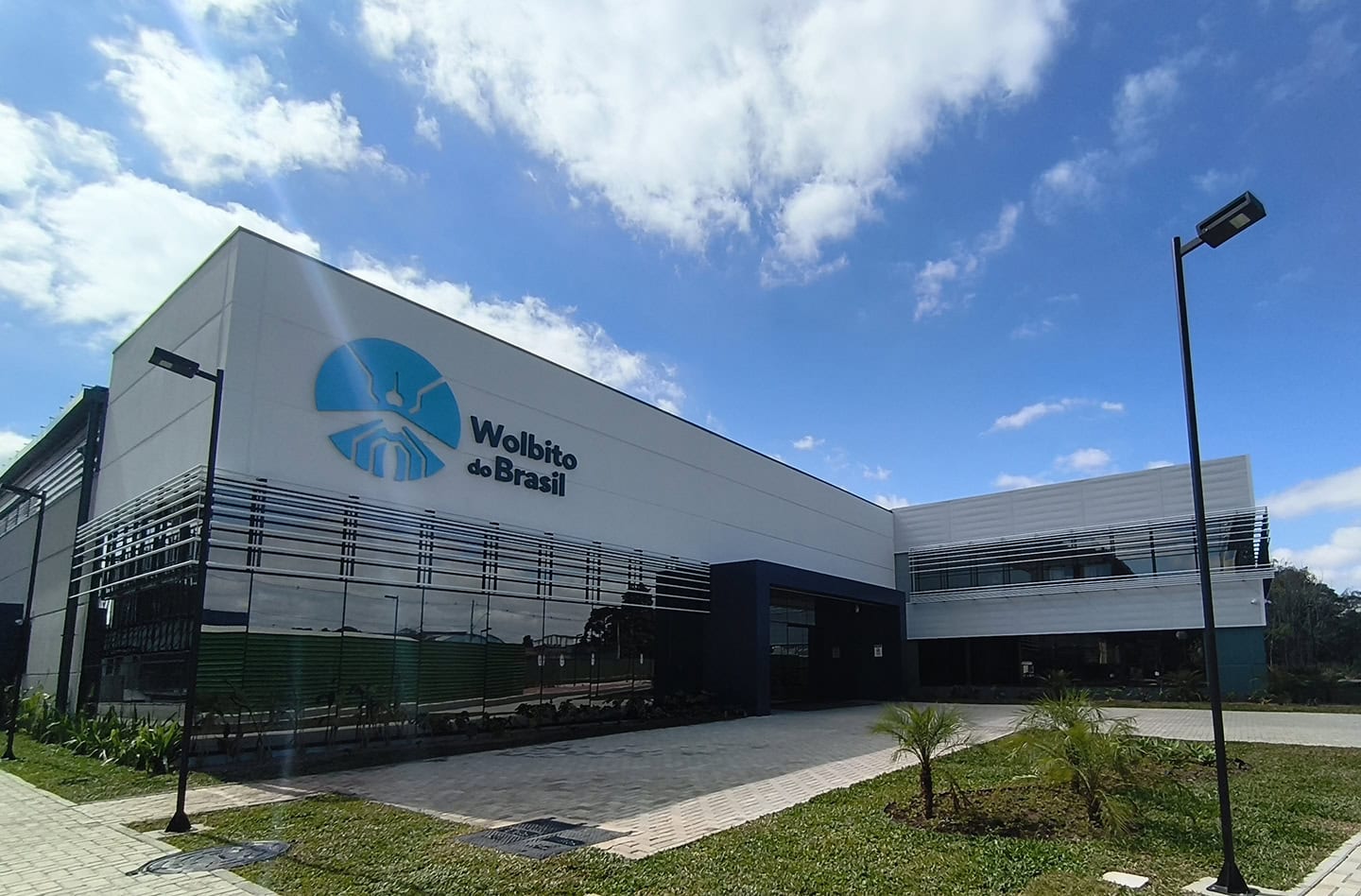
Brazil Inaugurates World’s Largest Biofactory for ‘Good’ Mosquitoes
The Molecular Biology Institute of Paraná (IBMP) and the World Mosquito Program (WMP) inaugurated on Saturday (July 19) Wolbito do Brasil, the world’s largest biofactory specialized in breeding Aedes aegypti mosquitoes inoculated with Wolbachia bacteria, which prevent the development of viruses causing diseases such as dengue, chikungunya, and Zika. In a statement, the biofactory reported…
-
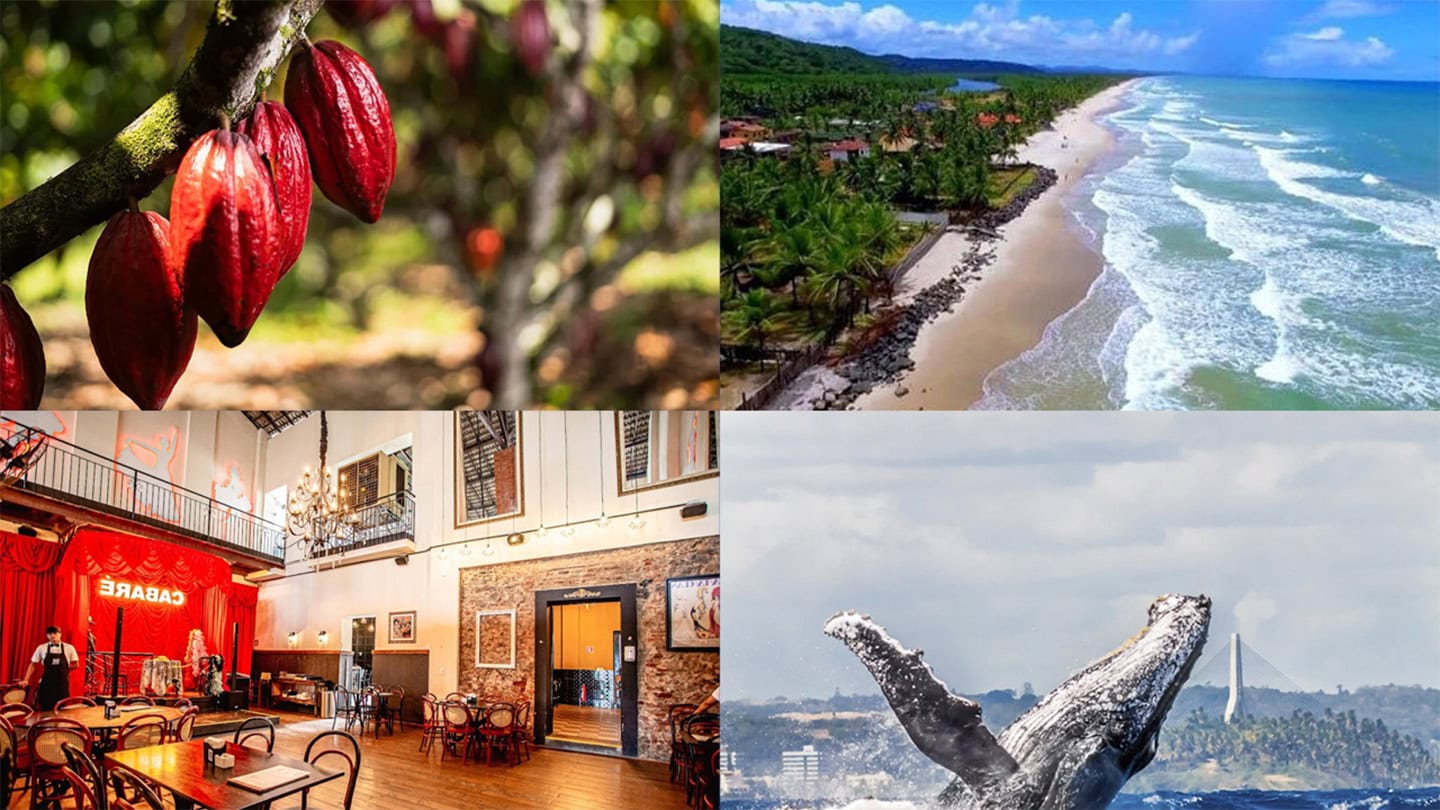
Ilhéus: Where the Sea, Cocoa, and Poetry Meet
Ilhéus, known as the “Little Princess of Southern Bahia”, is at the heart of Brazil’s Cocoa Coast. This enchanting destination offers paradisiacal beaches, vibrant culture, and unforgettable flavors. Birthplace of the renowned Brazilian writer Jorge Amado, Ilhéus captivates visitors with its lush landscapes, rich history, and irresistible artisanal chocolate made from local cocoa. It is…
-
Brazilian Indigenous Researcher Catalogs 150 Medicinal Plants from His Territory
The initial goal was to find treatments for the three most recurrent illnesses of the Pataxó Hã-Hã-Hãi people, from the Caramuru/Paraguassu Indigenous Land, in southern Bahia: worms, diabetes, and hypertension. This is how the research by ethno-botanist Hemerson Dantas dos Santos Pataxó Hãhãhãi began, who—as his name indicates—belongs to the ethnicity and is a PhD…