



Synopsis:
Vampire stories, widely spread around the world, originate from 18th-century Hungarian folklore. A vampire, according to popular tradition, is the restless soul of a suicide, criminal, or heretic that rises from the grave, usually in the form of a bat, to drink the blood of humans. The gothic novel Dracula (1897) by British author Bram Stoker tells the story of Count Dracula, the undead villain from Transylvania, who became a typical representative of the vampire myth. ‘Dracula’ is a classic of horror literature.
Review/Opinion:
I am absolutely certain that Bram Stoker, when he published his book Dracula, never imagined that more than 120 years later, it would still be enchanting or terrifying generations of readers passionate about classic or gothic horror literature. Dracula shaped the form and gave fame to the most terrible, and often desired, villain of all time, starting with literature and extending to every type of existing media created for entertainment. Even though it was not the first book written about vampires, Stoker, after extensive research on legends and especially on the Voivode of Wallachia, Vlad III, better known as Vlad the Impaler, defined, with his vision of an immortal being that lives off the blood of living beings to remain “alive” for centuries, an entire generation of gothic and fantastic literature that endures to this day.
But despite all its brilliance, Bram Stoker’s Dracula only saw the light of success in the early 20th century with the advent of cinema in the world. Incredibly, this book brought virtually nothing in financial terms to Bram Stoker, who by the end of his life was so poor that after his death, his widow had to sell all his notes and drafts 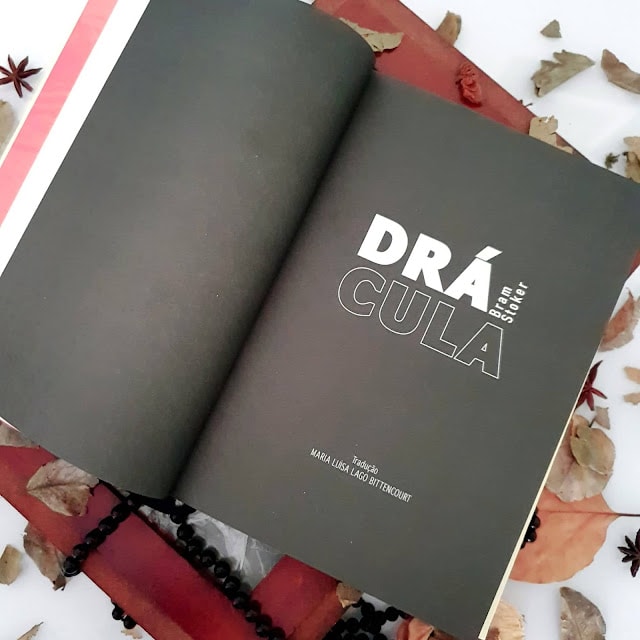 about the book at a Sotheby’s auction for literally a pittance. Dracula began to gain fame when his widow sued the makers of the film Nosferatu, claiming similarities to her late husband’s novel. However, when fame arrived, it was here to stay.
Stoker takes us on a long journey in search of the destruction of an evil that could become pandemic in 18th-century England, were it not for the actions of a group of friends who, after a terrible and painful loss, discover the nefarious plans of a count from Transylvania.
The supernatural is masterfully depicted in almost all appearances of the great villain after his arrival, which, by the way, was equally dramatic and terrible, in London. His invisible claws are felt even at great distances when this abject being desires something, and usually, when this occurs, tragedy also promptly presents itself.
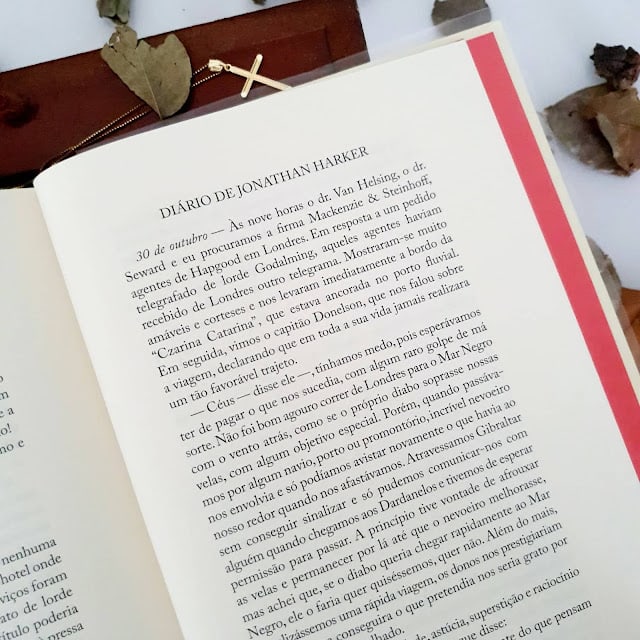
Stoker managed to create a very interesting range of characters, linking them masterfully as the plot unfolds. One of the most enigmatic and interesting characters, in my opinion, is R. M. Reinfield, who is controlled by Dracula and has outbursts of madness and sanity that are quite unusual; and when he appears in the story, it is always an unsettling pleasure. The entire novel is dictated by letters or diaries of the characters in the plot, which was very common at that time. But this format does not diminish or spoil the narrative of this fantastic novel in any way.
 Despite being a horror book, Stoker presents a romantic writing style in many moments of the story, especially when it comes to demonstrating the love between the “good guys” in the hunt for the villain. It is in this sense that we can see how society related at that time. The love between friends was something almost unreal in today’s world. People were raised to honor their names, their friends, companions, and this is constantly demonstrated throughout the plot of Dracula.
It is truly beautiful to see when a character says that he has love and friendship for life and that, if needed, just call him to be at your disposal for whatever comes. Something that in today’s society is almost extinct, unfortunately. The affection that Stoker makes his characters relate to each other is something extremely touching, and many times when you, dear reader, lay your eyes on a line where the character cries with emotion for his loved ones, I am sure your own eyes will become misty, given the skill of this writer named Bram Stoker.
 Of course, all the effort of the author would be of no value if his writing were not good enough to tell us this great story of horror and adventure; but for our delight, Stoker has a very cozy, agile, and intelligent writing style, which makes the reading flow in an almost impossible way to interrupt, adding yet another quality to this absolute classic.
But the great brilliance of Bram Stoker, in my view, is presenting a gothic novel that outlined generations of world literature, having shaped a classic monster that is still remodeled and reused to exhaustion today, without having practically used it directly throughout the plot of Dracula, and that is truly a genius touch.
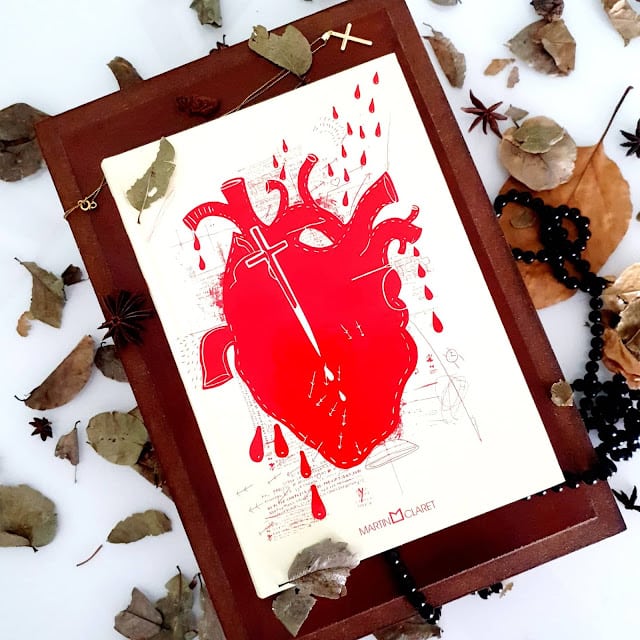
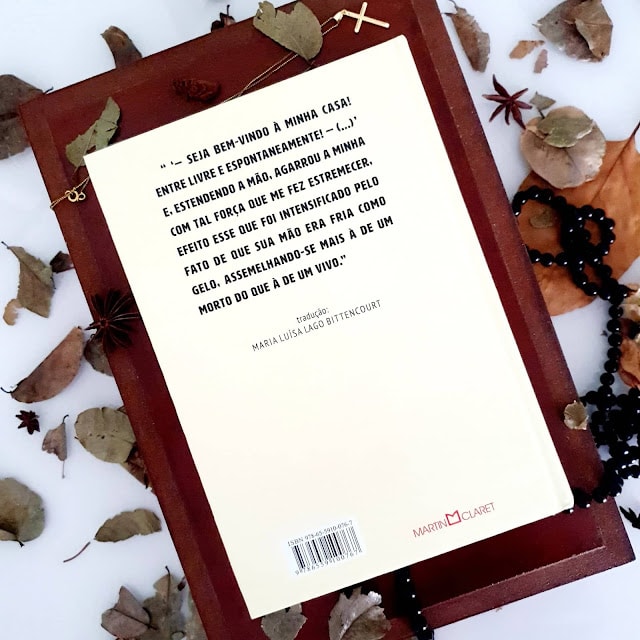
I will never tire of reading this great classic of gothic horror literature, especially with such a well-made and beautiful edition as the one presented by the publisher Martin Claret in this new and revamped edition. Starting with the cover that breaks away from the traditional and bets on thematic art full of details, making it impressively beautiful. The traditional format of the publisher has been maintained, meaning that Dracula comes in hardcover, pollen paper [yellowish], comfortable font, and in the same interior design as The Doctor and the Monster and Frankenstein, thus closing the best trio of classic horror of all time with a golden key. Undoubtedly, T.H.A.N.K. Y.O.U.
About the author:
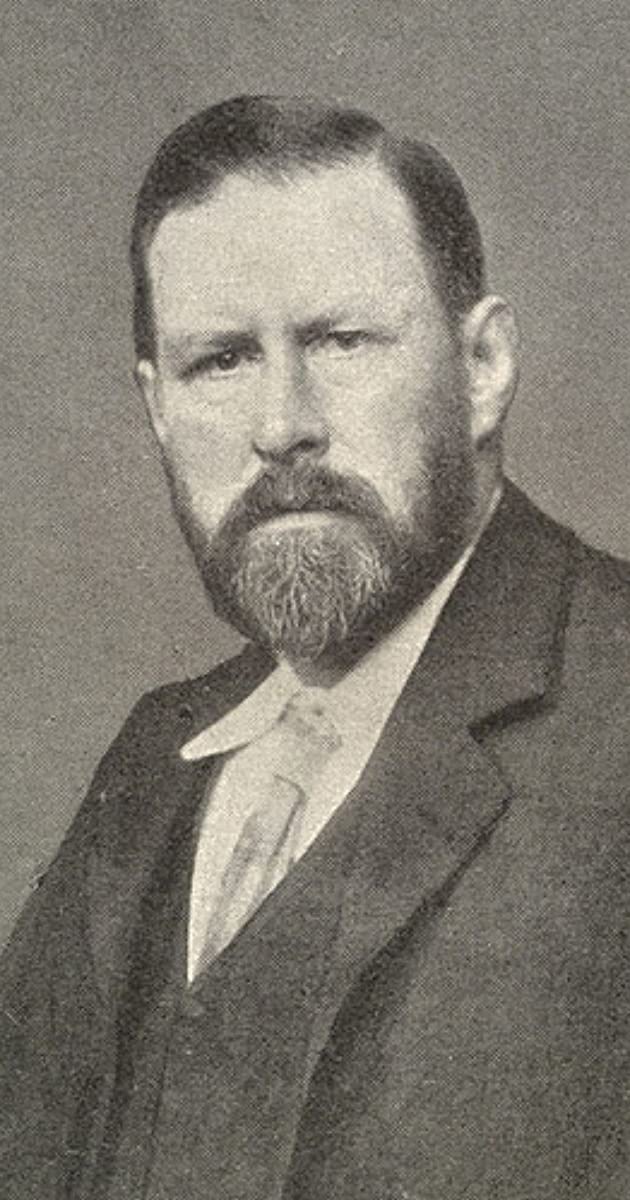 Bram Stoker (11/08/1847 – 04/20/1912) was an Irish writer known for writing the classic horror ‘Dracula’; his work created the literary myth of the vampire we know today. He wrote his first story at 16. He became the manager of the Royal Lyceum Theatre in London, a job he divided with the stories he wrote, generally about vampires.
Technical Sheet:
Title: Dracula
Author: Bram Stoker
Translator: Maria Luísa Lago Bittencourt
Publisher: Martin Claret
Pages: 480
Year: 2021
ISBN: 9786559100767
Jeffa Koontz
Literary Critic
https://literalmente-koontz.blogspot.com/
Instagram: @literalmente_koontz