



If when hearing about tourism in Acre, you think: is there anything to do in Acre? Know that yes, the state of Acre has several tourist attractions, most of which are linked to ecotourism, especially due to the Amazon Rainforest that occupies part of the state.
A curiosity about the state is that it once belonged to Bolivia. In fact, for many years it was said that Acre had been bought by Brazil for a horse. That’s right, they said that Bolivia exchanged the land for the animal, which is not true.
 The agreement signed in 1903 provided for the cession of lands from Mato Grosso, the payment of 2 million pounds sterling, and the construction of the Madeira-Mamoré railway. Although the agreement was from 1903, Acre officially became a state in 1962. Perhaps that is why the development of some activities, such as tourism, took time to get going.
Today, ecotourism is strong in the region, but it is still not one of the largest sources of the state’s economy. I believe this will change over the coming years due to the beauty of the location and the diversity of flavors. Curious about the state? Then read this article and learn all about tourism in Acre.
Tourism in Acre
Acre is located in the Northern Region of the country and is known as the westernmost point of Brazil, bordering Bolivia and Peru. It has 164,000 km², equivalent to the size of Nepal. The climate in the state is usually very hot, but with intense rains all year round. The time zone is 2 hours behind Brasília, reaching 3 hours during daylight saving time, which does not occur in the state.
 Since tourism is still recent, Acre does not have a large tourist infrastructure, with hotels, restaurants, and bars more concentrated in the capital, Rio Branco. However, this is not a reason to deter travelers who come to Acre for ecotourism, such as hiking, sport fishing, observing plants and animals like birds, boas, caimans, tapirs, among others, visiting indigenous tribes, in addition to enjoying local cuisine.
A curiosity about Acrean cuisine is the influence of various cultures. The state is a major producer of latex for rubber manufacturing, and during the “golden age” of product extraction, many migrants from various parts of Brazil and immigrants from different countries around the world came to Acre. Thus, there is influence from Syrian, Lebanese, São Paulo, Northeastern cuisines, and more.
Among the most common dishes are cassava kibbeh and rice kibbeh, which are consumed at breakfast, sun-dried beef with pirarucu, saltenha, tambaqui, tacacá, and even vatapá.
Rio Branco
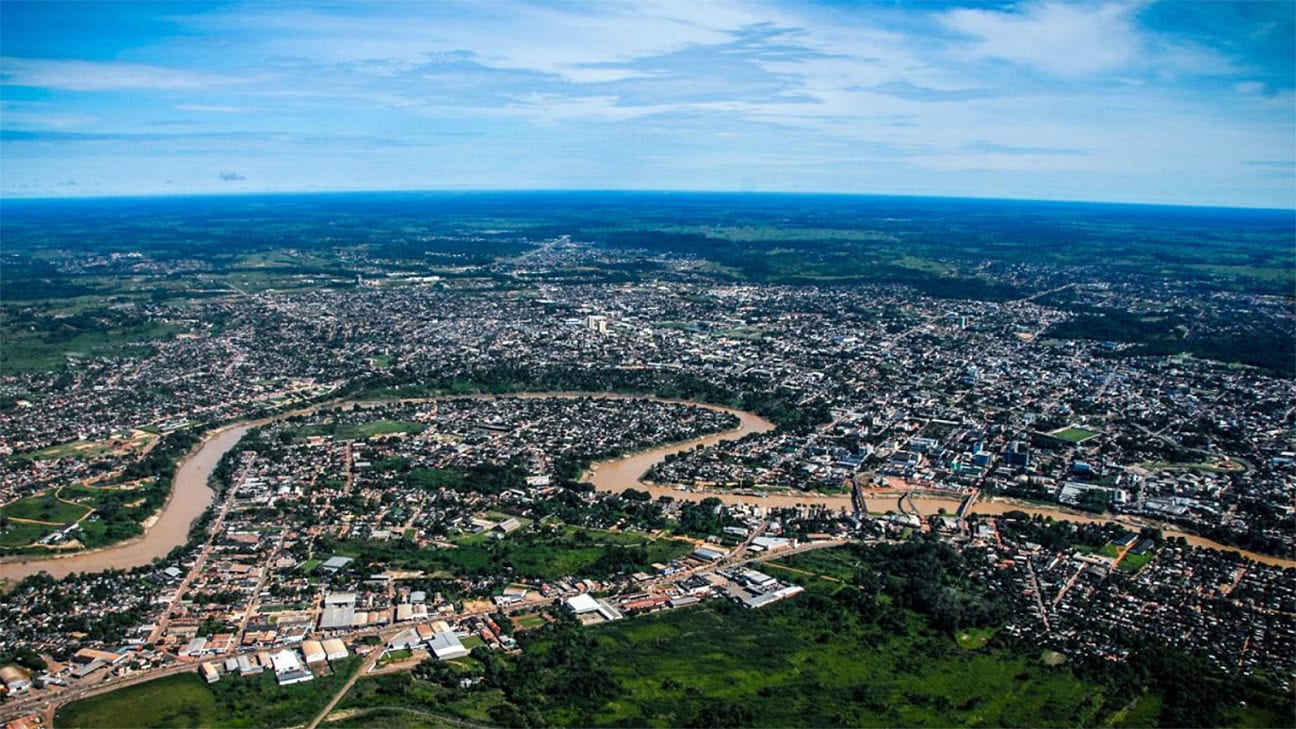
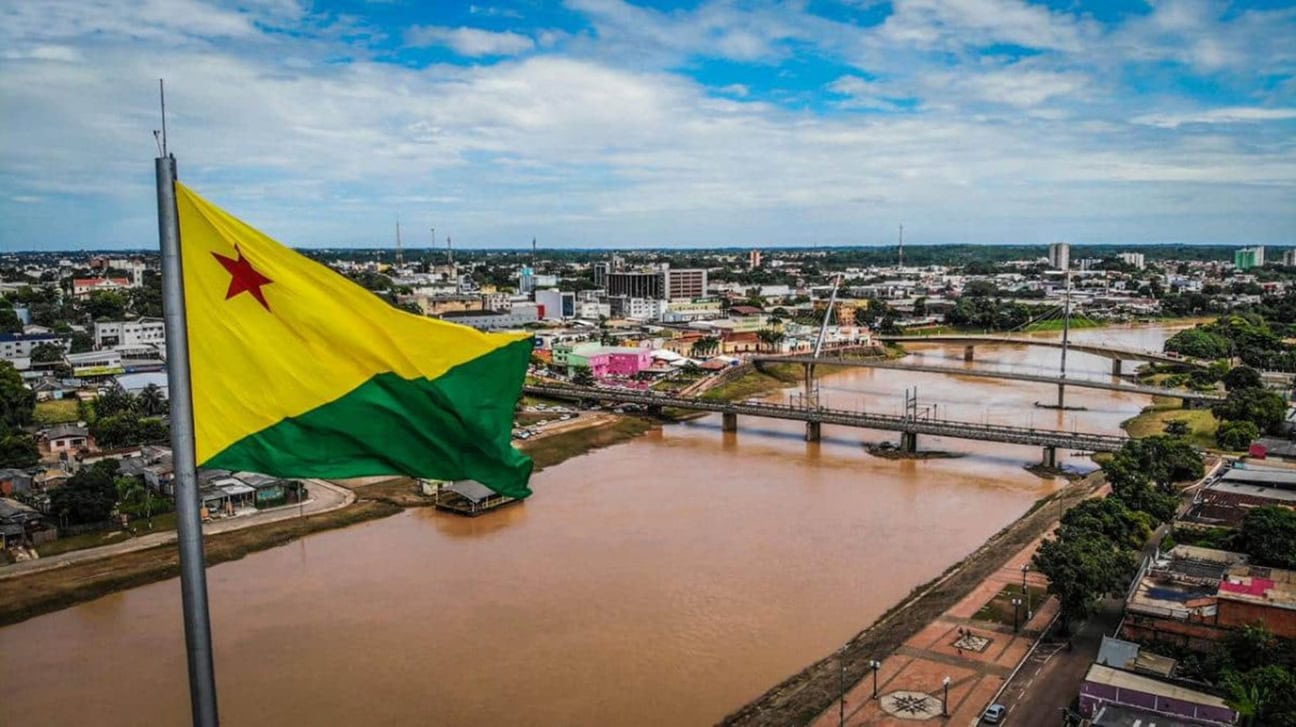
Rio Branco, the state capital, is located at the triple border where Brazil, Bolivia, and Peru meet. It is where most of the Acrean population resides and also features a beautiful historical center with tourist spots that tell the history of the country.
Among them are the Rio Branco Palace, the Palace of Justice, the Forest Library, Chico Mendes Park, the Old Market of Rio Branco, the Rubber Museum, the House of the Peoples of the Forest, several squares and parks.
Another very visited place in the city is Quixadá, the scenic city where the Rede Globo miniseries, Amazônia, was filmed. Today the space is open to the public and admission is free. And the Gameleira boardwalk, which is located along the banks of the Acre River and was the first street in the city. There are monuments, in addition to a centennial tree, which is said to be where Acre began.
The architecture, all restored over the past few years, is another highlight of the city, which has good hotels, restaurants, bars, and a friendly and hospitable population. In three days, you can explore and enjoy the tourist attractions of Rio Branco.
Other destinations in Acre
Cruzeiro do Sul is the second most populous city in Acre and is also one of the most touristy destinations in the state. This is because it is the gateway to the Serra do Divisor National Park, created in 1989, and many people make a “stopover” before exploring the park.
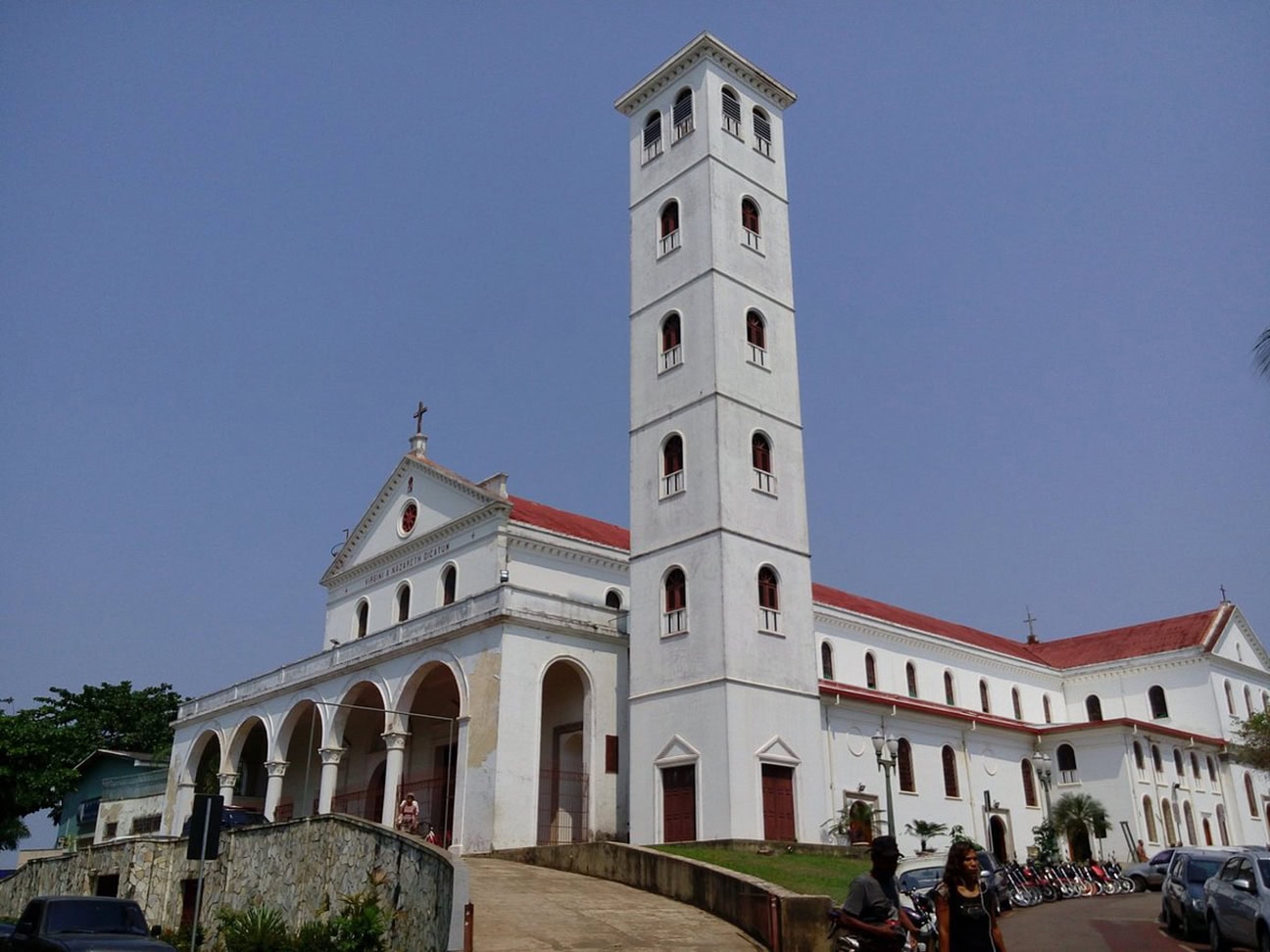
 But if you are just passing through, take some time to explore Cruzeiro do Sul. The small town preserves many of the historical buildings from the rubber cycle, as well as the beautiful cathedral, the market, and the workshops, in addition to visiting the Croa River.
The area, with almost 3,000 hectares, has well-preserved Amazonian forest and flora and is also home to a community of 50 families who live isolated in the area. You can hike, fish, relax in a hammock, and even visit a centennial tree.
After exploring the city, head to Serra do Divisor Park (also called Serra do Moa), which is a wonderful place.
The park is a Brazilian conservation unit aimed at the complete preservation of nature and, along with other regions such as Cabo Orange Park (Amapá), the Tumucumaque Mountains (Amapá and Pará), Mount Roraima, and Pico da Neblina (Amazonas), forms the set of border National Parks of the Brazilian Amazon.
Final Tips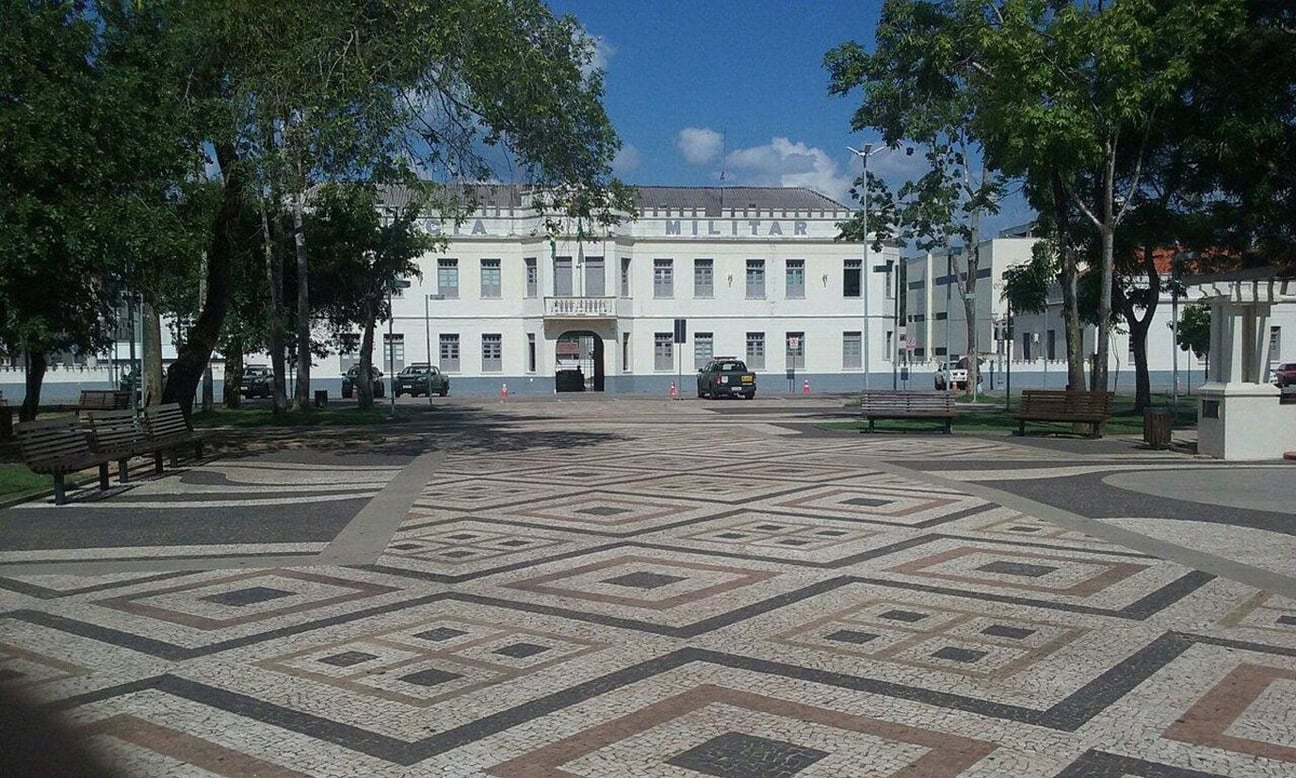 Acre, like other states in the Northern Region of Brazil, has a climate, landscapes, customs, and cuisine quite different from what we are used to in the Southeast or South regions. Therefore, traveling to the state is like getting to know a new country. And, despite the modest tourist infrastructure, the tourist attractions make up for it.
Throughout the region, it is possible to observe animals, practice sport fishing, see different fruits and flowers, and even visit centennial trees and indigenous tribes throughout the state. In this article, I highlighted a bit about the two largest cities in the state, Rio Branco and Cruzeiro do Sul, and the most famous park, Serra do Divisor, but there are other tourist destinations to discover.
Source: www.queroviajarmais.com