



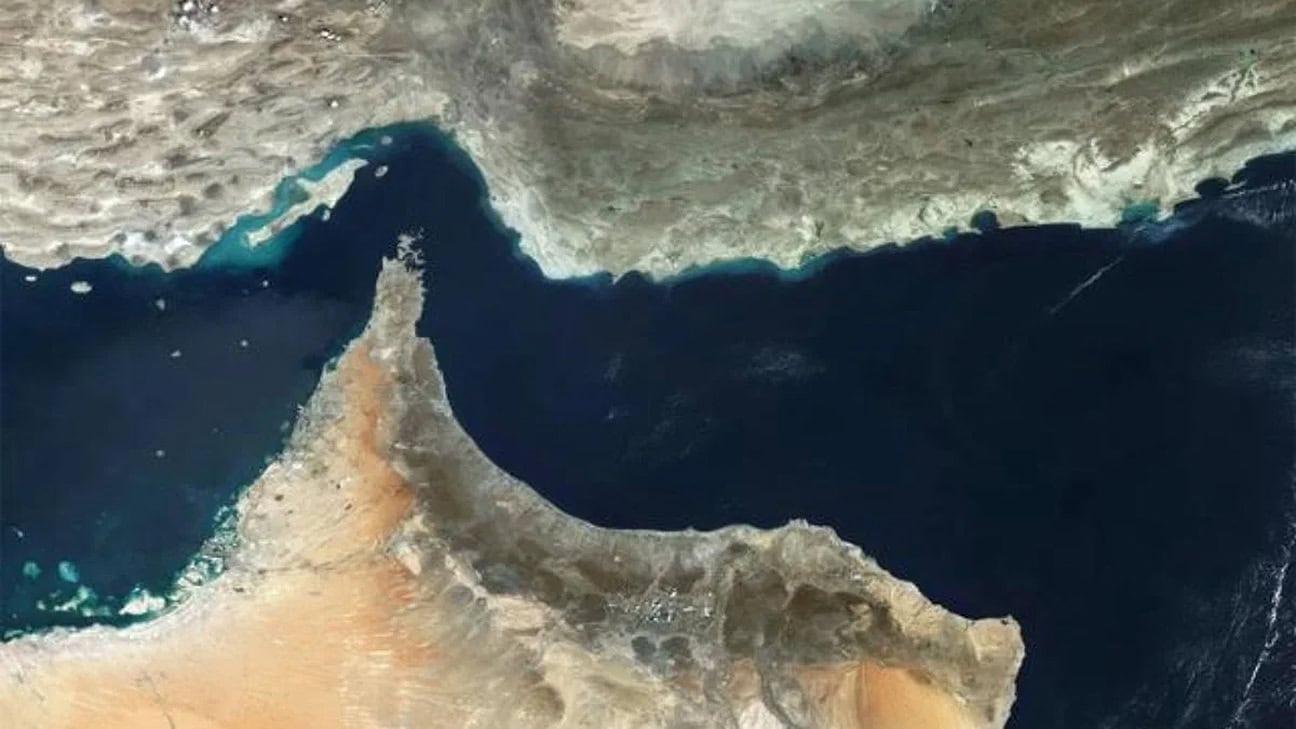
US government officials have intensified a diplomatic offensive in recent days to gather international support for a coalition aimed at strengthening security in the Strait of Hormuz, one of the most strategic maritime routes for global energy trade. The initiative responds to a request from US President Donald Trump for allied countries to contribute military resources to protect navigation in the region. The information was disclosed by sources familiar with the negotiations and published by CNN.
According to US officials interviewed by the network, the goal is to announce in the coming days the formation of a new group of countries committed to the security of the strait, although uncertainties remain about which nations will participate and when the official announcement will be made. Even traditional US allies are showing caution regarding the possibility of sending military forces to an area considered highly sensitive while the armed conflict in the region continues.
According to US government members, the expectation is at least to obtain preliminary commitments of support for protecting the navigation route. Operational details — such as which ships would be mobilized and when deployments would occur — can be defined later.
The US president spoke on Sunday night with British Prime Minister Keir Starmer, but the conversation did not result in an immediate announcement about the deployment of UK military assets to the region. The White House expects Trump to hold more talks with foreign leaders throughout the week.
Among the scheduled meetings is a visit from Japanese Prime Minister Sanae Takaichi, who is expected to go to the White House on Thursday for her first official meeting with Trump since taking office. However, to date, the Japanese government has also avoided making a clear commitment to send warships to the Strait of Hormuz.
US administration officials estimate that the conflict involving Iran could last between four and six weeks. This calculation would indicate that at least two weeks of fighting remain. According to these assessments, operations carried out by the United States and Israel have caused significant damage to Iran’s missile arsenal, air defenses, and naval capabilities.
Despite this, the Iranian government remains in power and continues to demonstrate the capacity to threaten neighboring countries and disrupt strategic routes for global energy trade, including maritime traffic through the Strait of Hormuz.
European authoritarians, for their part, have expressed concern about the possibility of Trump declaring military victory in the coming weeks and, subsequently, transferring responsibility for patrolling the area to European allies. According to these sources, there was little attempt to obtain prior support from allies before the start of the war.
However, European governments recognize the need to handle the situation with caution. Among the diplomatic concerns is the risk of deterioration in relations with Washington at a time when another international conflict — the war in Ukraine — remains at a critical point in the global geopolitical scenario.
Fonte: brasil247.com