



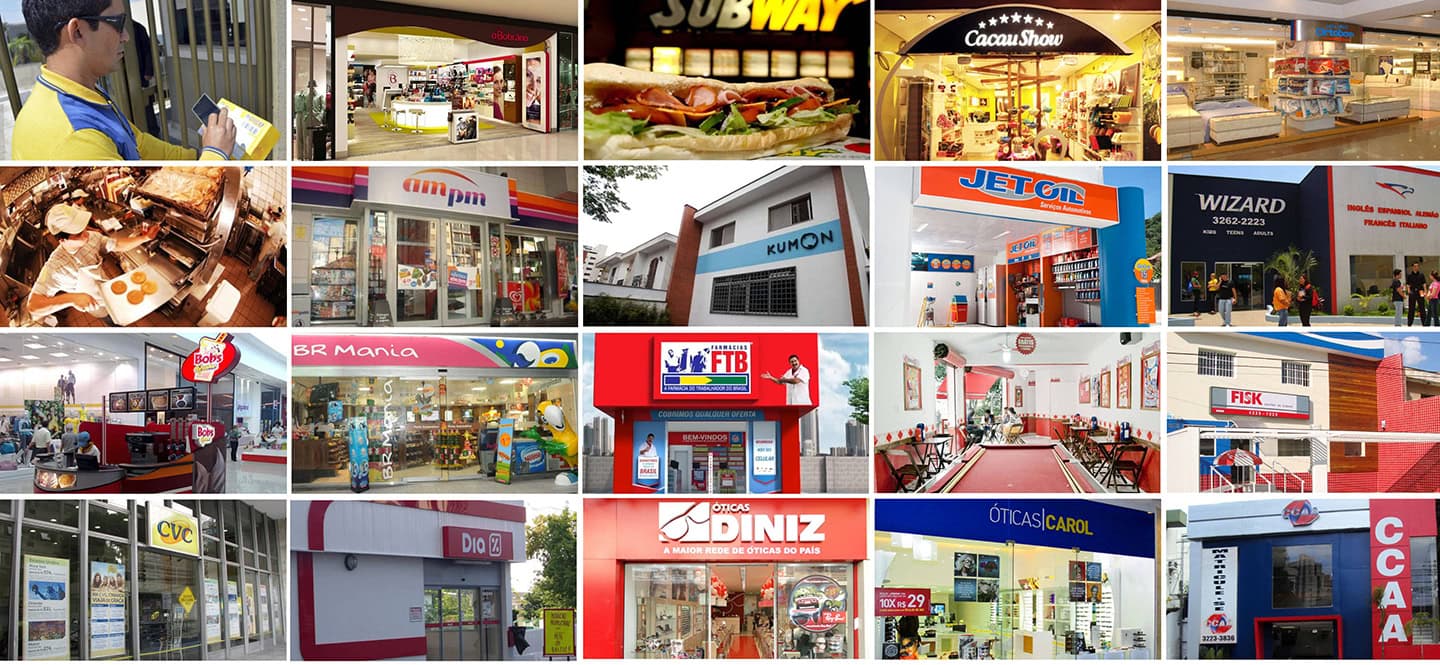
The franchise sector has consolidated its relevance in the Brazilian economy by achieving a record revenue of R$ 301.7 billion in the last year. This performance represents a 10.5% growth compared to the previous period and reinforces the maturity of the business model in the country. Currently, the system has 3,297 franchise networks and more than 202,000 operating units, responsible for generating approximately 1.76 million direct jobs.
These figures are part of a report released by the Brazilian Franchising Association (ABF), which identifies franchising as one of the most structured and resilient segments in the Brazilian business environment. This expansion is driven by various economic sectors, notably the food sector, which maintains a strong growth rate.
The Food Service segment recorded record revenue of R$ 51.8 billion, a 10.8% increase from the previous year. In the fourth quarter of 2025, the sector totaled R$ 15.3 billion in revenue, a 9.9% increase, a result that reinforces the trend of rising demand for meals outside the home and highlights the operational efficiency of franchise networks.
According to Ycaro Martins, a specialist in high-performance business and expansion, CEO and founder of Maxymus Expand, Brazilian franchising is experiencing a phase marked by the consolidation of professional practices and the evolution of management models. He believes the food sector stands out in this movement.
“The food sector, in particular, has shown continuous growth, driven by the increase in out-of-home consumption and the ability of networks to provide attractive experiences for customers. Today we see more structured networks, with governance, clear performance indicators, and models designed for scalability. This transforms franchising into an intelligent growth strategy, both for those who want to become entrepreneurs and for investors seeking operational assets with method and predictability,” he states.
Despite the favorable scenario, the specialist emphasizes that expansion requires careful analysis by investors interested in entering the franchise model.
“Franchising is not a fad, it’s a model. Therefore, it needs to be replicable, financially healthy, and transparent. The investor needs to thoroughly analyze the franchisor’s financial health, talk to active franchisees, understand the real level of support, carefully study the Franchise Disclosure Document (FDD), and validate if the business makes sense for their region. A strong brand does not replace the fundamentals. Expansion without a solid base generates frustration and losses. Growth is important, but growth with structure is what builds legacy,” comments Martins.
Franchise Networks Expand Their Presence in the Country
The market’s growth prospects have spurred the expansion of several brands in the food sector. One of them is Di Blasi Pizzas, a delivery-specialized pizzeria network that already has more than 50 operating units. The company has been expanding its national presence, reaching the North and Northeast regions, and projects 30% growth in the number of units by the end of the year.
“Our brand’s focus is to grow responsibly and consistently to maintain the network’s essence and ensure solid operations for franchisees,” says Arnaldo Di Blasi, founder and CEO of Di Blasi Pizzas.
Another example of expansion is Casa de Bolos, considered Brazil’s largest cake franchise network and a pioneer in the segment. In 2025, the company recorded 11.6% growth in operations and revenue of R$ 720 million.
The network has more than 600 stores distributed across 20 Brazilian states and serves more than 250 municipalities, with daily production of approximately 60,000 cakes. In the last year, 63 new units were opened in the states of São Paulo, Minas Gerais, Espírito Santo, Santa Catarina, Paraná, Rio Grande do Sul, Alagoas, Bahia, Ceará, and Pernambuco. For 2026, the company projects revenue of R$ 800 million and plans to reach 700 stores, with special attention to regions with a strong family profile and high consumption potential, such as the Northeast.
Sophistication and Diversity in Food Service
In the confectionery field, Boulangerie Carioca stands out by betting on a concept inspired by French pâtisseries. Founded ten years ago, the network maintains an organic growth strategy and currently has nine units.
According to CEO Antônio Augusto Ribeiro de Souza, combining international references with Brazilian ingredients helps broaden public interest.
“The diversity of Brazilian cuisine invites the integration of national coffee with French croissants. Thus, networks that embrace high-quality international cuisine without ignoring the best of our country gain space and respect with the public, boosting franchising,” he comments.
Consumer sophistication has also increased demand for artisanal and differentiated products. An example is the gelateria Cuor di Crema, which uses an Italian production method. Managed by the Antaris Foods Brands Franchising group, the network currently has ten units distributed across São Paulo, Rio de Janeiro, Ceará, Piauí, Maranhão, and Rio Grande do Sul.
In the frozen desserts segment, Açaí Concept has established itself as one of the world’s leading networks in the sale of açaí and tropical creams. Founded in 2014, the brand is present in 18 Brazilian states and also operates in countries such as the United States, Ecuador, Switzerland, Chile, Canada, Portugal, United Arab Emirates, Spain, and Turkey.
“With raw materials sourced entirely from Brazil, açaí has enormous potential to contribute to growth, both for those working with this product and in terms of its representativeness within the food service industry. The trend is for even better years ahead,” emphasizes co-founder and CEO Rodrigo Melo.
Thematic and Healthy Options Gain Ground
Another trend observed in the market is the popularization of themed restaurants. Created in 1986 in Los Angeles, the Johnny Rockets burger chain, with its 1950s aesthetic, maintains its second-largest store chain in the world in Brazil, behind only the American headquarters.
The brand bets on the “quick service restaurant” (QSR) model within casual dining, aimed at different customer profiles.
“The themed restaurant sector has gained momentum in the food service industry. The advantage of franchising is that the franchisee already has the brand experience, a clear path, and guidelines on how to achieve success in the field,” says director Alan Torres.
The confectionery industry is also following this expansion. Founded in 2014 in Bento Gonçalves (RS), Le Petit Macarons has established itself as Brazil’s first boutique specialized in the French sweet. The network has 28 franchises in seven states and offers more than 30 flavors on its menu.
According to Roger Coelho, co-founder and director of new business for the brand, public interest in differentiated gastronomic experiences strengthens the segment.
“The modern consumer desires moments of indulgence and authenticity. This desire for ‘affordable luxury’ has consolidated Le Petit Macarons as a reference in high gastronomy in Brazilian franchising. Our expansion reflects the maturity of a model that combines technical sophistication with efficient operations, allowing us to project approximately 8% growth in the network by the end of this cycle,” he emphasizes.
Healthy Eating Advances
The search for healthier options has also boosted franchising. Founded in 2011 in Paulínia (SP), the Mr. Fit network has established itself as one of the pioneers of healthy fast food in Brazil.
The company currently has around 900 units in the country, plus operations in Portugal and Paraguay. The menu includes frozen ready meals, light dishes, and nutritious sandwiches.
“The search for convenience allied with health is a consolidated behavior of the modern consumer. This drives the strength of our network within franchising. The goal is to reach 1,000 units by the end of the year,” highlights Camila Miglhorini, CEO and founder of Mr. Fit.
Source: brasil247.com