



The fatigue caused by excessive screen time, notifications, and constant connectivity has directly influenced the behavior of Brazilian travelers. Increasingly, vacations are no longer associated with hyperconnectivity and have become a necessary pause for mental balance, rest, and reconnection with nature. In this scenario, the so-called “digital detox” is consolidating as one of the main tourism trends in the country.
Research from the Ministry of Tourism reveals that 36% of Brazilians seek experiences that prioritize silence, contemplation, and direct contact with natural environments. The research reinforces Brazil’s potential as a strategic destination for this type of travel, thanks to its biodiversity, vast territory, and diverse landscapes.
With policies focused on strengthening sustainable tourism and promoting ecotourism, the Ministry of Tourism has been encouraging the creation and promotion of routes that prioritize sensory experiences and well-being. The goal is to stimulate trips where technology takes a backseat, making room for simpler and deeper experiences capable of promoting physical and mental rest.
Across different regions of the country, destinations stand out precisely for offering this planned disconnection. In the North, the municipality of Novo Airão, in Amazonas, serves as a gateway to the Anavilhanas archipelago on the Rio Negro. With over 400 islands, the region invites visitors to slow down by observing the wildlife, the rhythm of the waters, and white-sand beaches that emerge during the river’s low water season, in an environment deeply integrated with the Amazon rainforest.
In southern Brazil, Urubici, in Santa Catarina, attracts travelers seeking isolation combined with comfort. Located in the Serra Catarinense, the city is characterized by canyons, mountains, and araucarias, as well as low temperatures that enhance the sense of refuge. The destination is consolidating as a hub for niche tourism, aimed at those who value extended stays and immersion in the natural landscape.
Further south, Visconde de Mauá, on the border between Rio de Janeiro and Minas Gerais, combines mountain climate, regional cuisine, and preserved natural scenery. Waterfalls, trails, and chalets surrounded by vegetation define the rhythm of the locality, where silence and privacy prevail over the logic of constant sharing on social media.
In Brazil’s Northeast, the village of Caraíva, on the southern coast of Bahia, maintains a lifestyle marked by simplicity and respect for local traditions. With unpaved streets and discreet public lighting, the destination preserves starry nights and a rustic atmosphere, where the meeting of river and sea becomes a central part of the tourist experience and the region’s cultural identity.
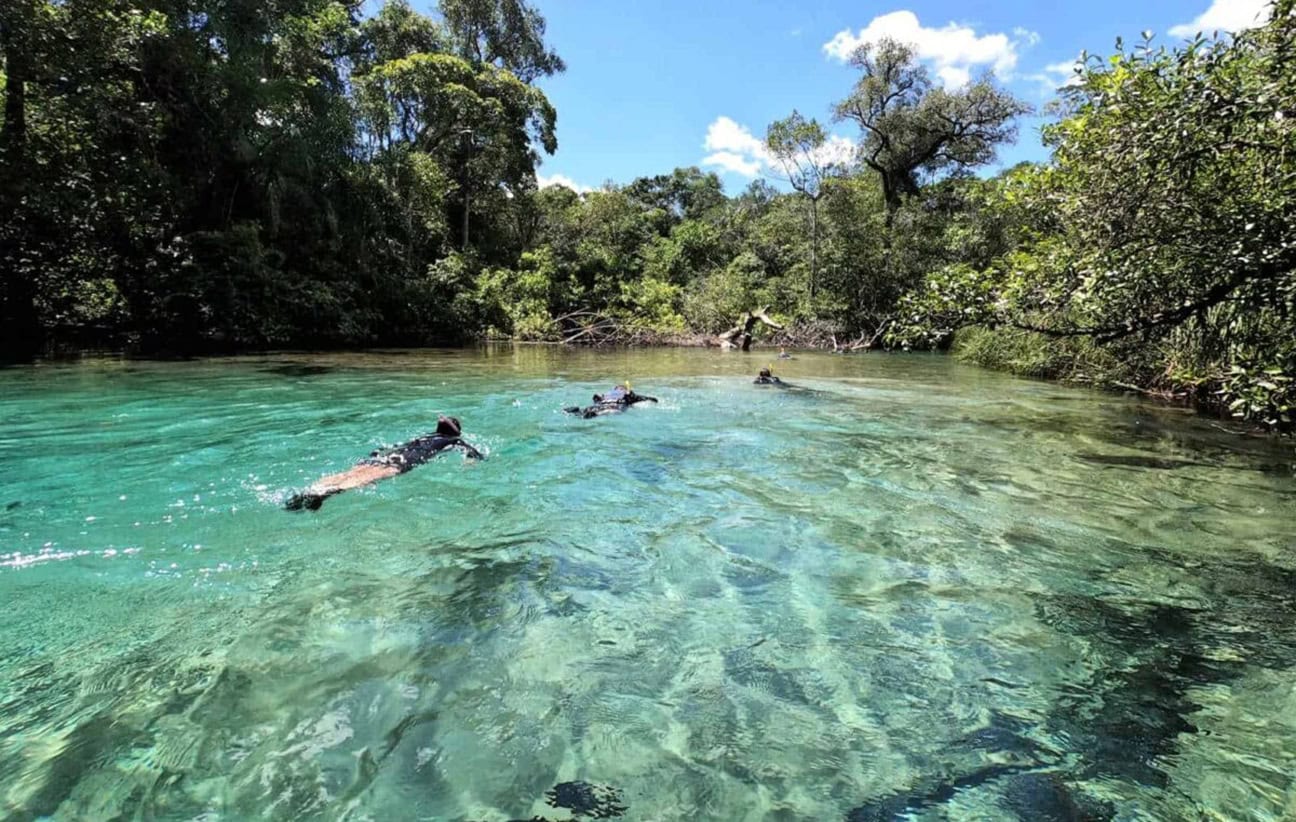
In the Center-West, Nobres, in Mato Grosso, is a reference for ecotourism and low-impact tourism. Known for its crystal-clear waters and the possibility of floating in rivers with bluish tones, the city focuses on environmental education and nature contemplation as pillars of tourism development, maintaining the charm of a preserved small village.
According to the Ministry of Tourism, these examples represent only a fraction of Brazil’s potential for nature tourism and well-being-focused trips. The ministry continues to work on structuring and promoting hundreds of destinations across all regions of the country, reinforcing Brazil as one of the world’s leading scenarios for those seeking to slow down and experience authentic moments in contact with the environment.
Source: brasil247.com