



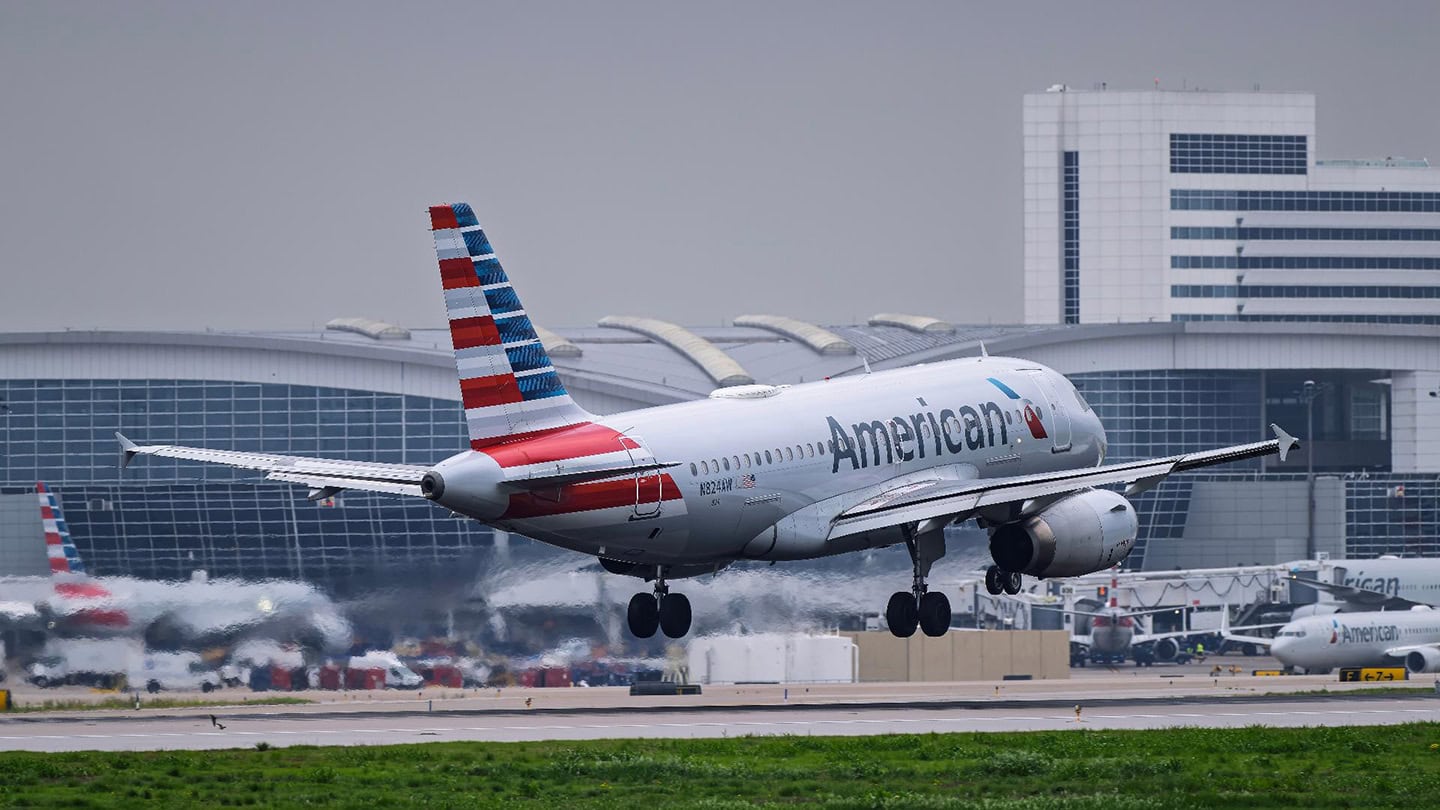
The Federal Aviation Administration has ordered airlines to reduce air traffic at 40 of the country’s busiest airports, with the cuts still gradually increasing to 10% of flights by Friday. The agency has been dealing with a persistent shortage of air traffic controllers, who are required to work without pay during the shutdown, which is now the longest in US history, at 42 days and counting.
This weekend, the FAA reported staffing shortages at dozens of facilities, prompting the agency to reduce air traffic to ease the pressure on air traffic controllers who showed up for work. On Tuesday, airlines canceled more than 1,200 flights, according to aviation tracking site FlightAware.
The situation appeared to be improving slightly on Tuesday, according to Transportation Secretary Sean Duffy, with only a handful of FAA facilities reporting staffing shortages. But Duffy said the air traffic restrictions will remain in place until regulators are satisfied that staffing has returned to normal levels.
“We’ll wait for the data on our end before lifting the travel restrictions,” Duffy said during a news conference at Chicago’s O’Hare International Airport. “But that depends on the controllers coming back to work.”
Even when these restrictions are lifted, it could take several days for airlines to return to normal operations.
“It’s going to take a little while to unwind this,” former FAA administrator Randy Babbitt said in an interview with NPR’s All Things Considered.
“The airplanes are in the wrong cities and so forth. They’re going to have to sort all that out too. So a lot of the onus is going to be on the airlines to reposition their schedules, aircraft, and personnel in the right places to resume normal flights,” Babbitt said.
A trade group for the aviation industry, Airlines for America, also warned that it will take time for airlines to get back to normal.
“Airlines’ reduced flight schedules cannot immediately return to full capacity right after the government reopens. It will take time, and there will be lingering effects for days,” the group said in a statement.
The FAA argues that the flight restrictions are necessary to keep the system safe while fewer air traffic controllers show up for work during the government shutdown. Some of those controllers have taken second jobs during the shutdown, and many have called in sick.
But for critics of the Trump administration, the measure seems to go beyond simple safety. Some Democrats argue that the cuts were a political maneuver to ramp up pressure to end the government shutdown.
Secretary Duffy rejected that accusation on Tuesday, saying the administration was responding to real concerns from pilots and growing fears about increasing losses of separation between aircraft.
And he warned of even greater disruptions ahead if lawmakers don’t vote to end the shutdown.
“You could find airlines that stop flying, stop completely,” Duffy said in Chicago. “There could be airlines that say: we’re going to ground our planes, we’re not going to fly anymore. That’s how serious this is.”
Source: npr.org by Joel Rose