



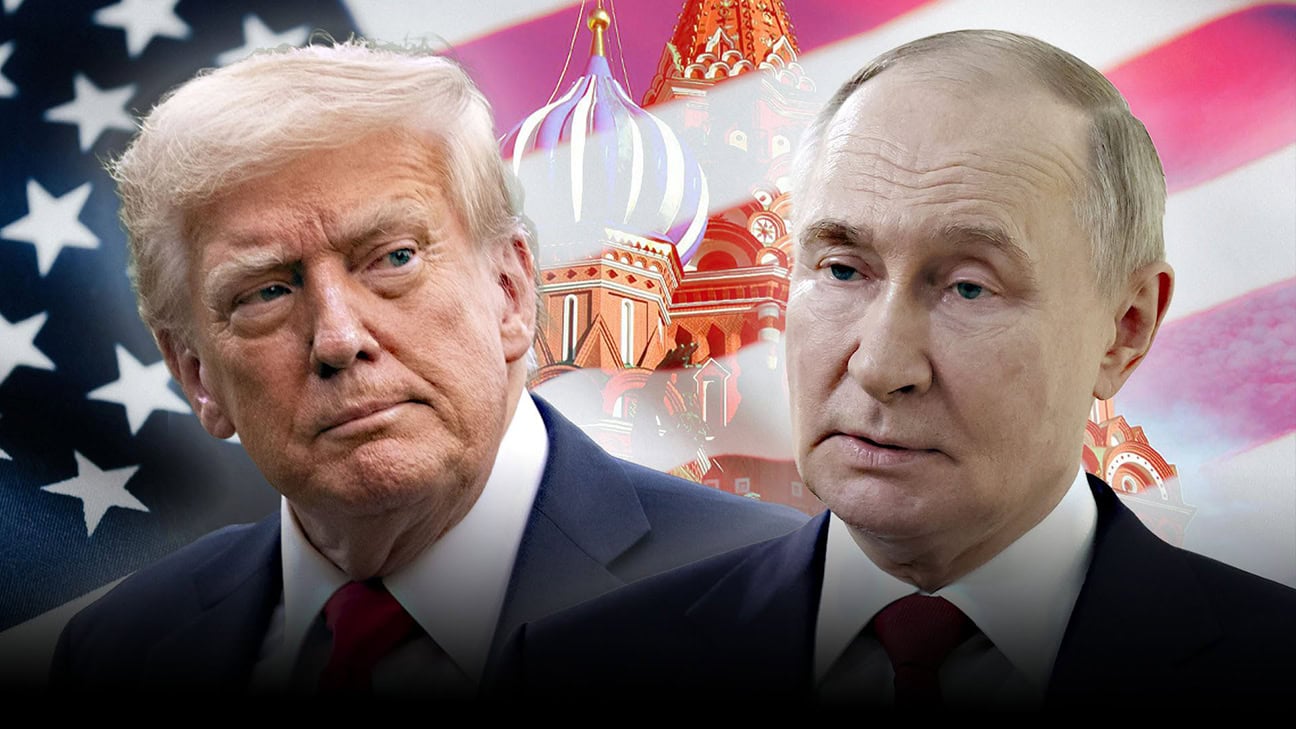
The Kremlin and the White House confirmed that Presidents Vladimir Putin and Donald Trump will meet alone in Alaska on Friday, before expanding the talks to their delegations. The summit begins at 1530 EST, according to the Kremlin, followed by a joint press conference. Ukraine will dominate the agenda, alongside US-Russia trade and cooperation.
Speaking on Fox News Radio on Thursday (14), Trump called the talks “like a game of chess,” framing them as preparation for a possible follow-up meeting between Putin and Ukrainian President Volodymyr Zelenskyy to “make a deal”.
“There will be mutual concessions regarding borders, lands, etc.,” Trump said. “This meeting prepares for the second meeting, but there’s a 25% chance that this meeting won’t be successful,” he stated.
Trump said Putin’s visit to the US signals that he is interested in ending his war in Ukraine and credited their personal relationship. Although skeptical about an immediate ceasefire, Trump said he expects one “soon” and suggested Alaska as a potential location for a second summit—though he backed off when pressed on whether he had asked Zelenskyy to be ready to join them quickly in Anchorage. “I don’t want to talk about a second meeting, not even with him. I don’t even want to indicate that there might be a second meeting,” he said.
Earlier in the day, in Moscow, President Putin gathered his top advisors and thanked the Trump administration for its “sincere efforts” to mediate peace, and even mentioned the possibility of a new arms control agreement.
So far, Putin has maintained great silence about the meeting with Trump, even as ordinary Russians speculate about what deals might be in play.
From a scenic riverside overlook on the outskirts of the Kremlin, Russians interviewed by NPR said they hope for an end to the war—even if they disagree on how to get there.
Vladimir, a former sailor from the St. Petersburg Navy, blames NATO expansion for the conflict, comparing it to the Cuban Missile Crisis.
Galina Shalaikina, from Novosibirsk in Siberia, hopes the summit will end the fighting—but only after Russia achieves its military objectives. She also said she sees no reason to include Ukrainian President Volodymyr Zelenskyy in the summit.
“The leaders of two great countries are meeting,” says Shalaikina. “Why should a small poor country like Ukraine dominate the discussions?”
Alexander, a war opponent who refused to give his last name for fear of government pressure, said he has “zero hope” that Trump can get Putin to stop the war.
“We’ll see some political trade that might be good for the leaders,” he explains, “but not for ordinary people.”
Putin has said he wants peace—but only on Moscow’s terms. That includes ending Ukraine’s NATO ambitions, demilitarization, and cession of lands claimed by Russia. So far, he has rejected Trump’s calls for a ceasefire, appearing confident that the battlefield will give him more leverage than the negotiating table.
Sergei Markov, former Putin spokesman, argues that Trump can still help close a deal—but warns against overestimating the progress. He has witnessed a quarter century of American presidents repeatedly failing to divert Putin from what Markov calls a fair defense of Russian interests.
“All American presidents try to fix relations with Russia—and they all end up with bad relations.” This could happen to Donald Trump too, warns Markov.
Moscow’s message: even for an American president who breaks norms in pursuit of peace, there are geopolitical traditions that are hard to break.
Source: npr.org by Charles Maynes