



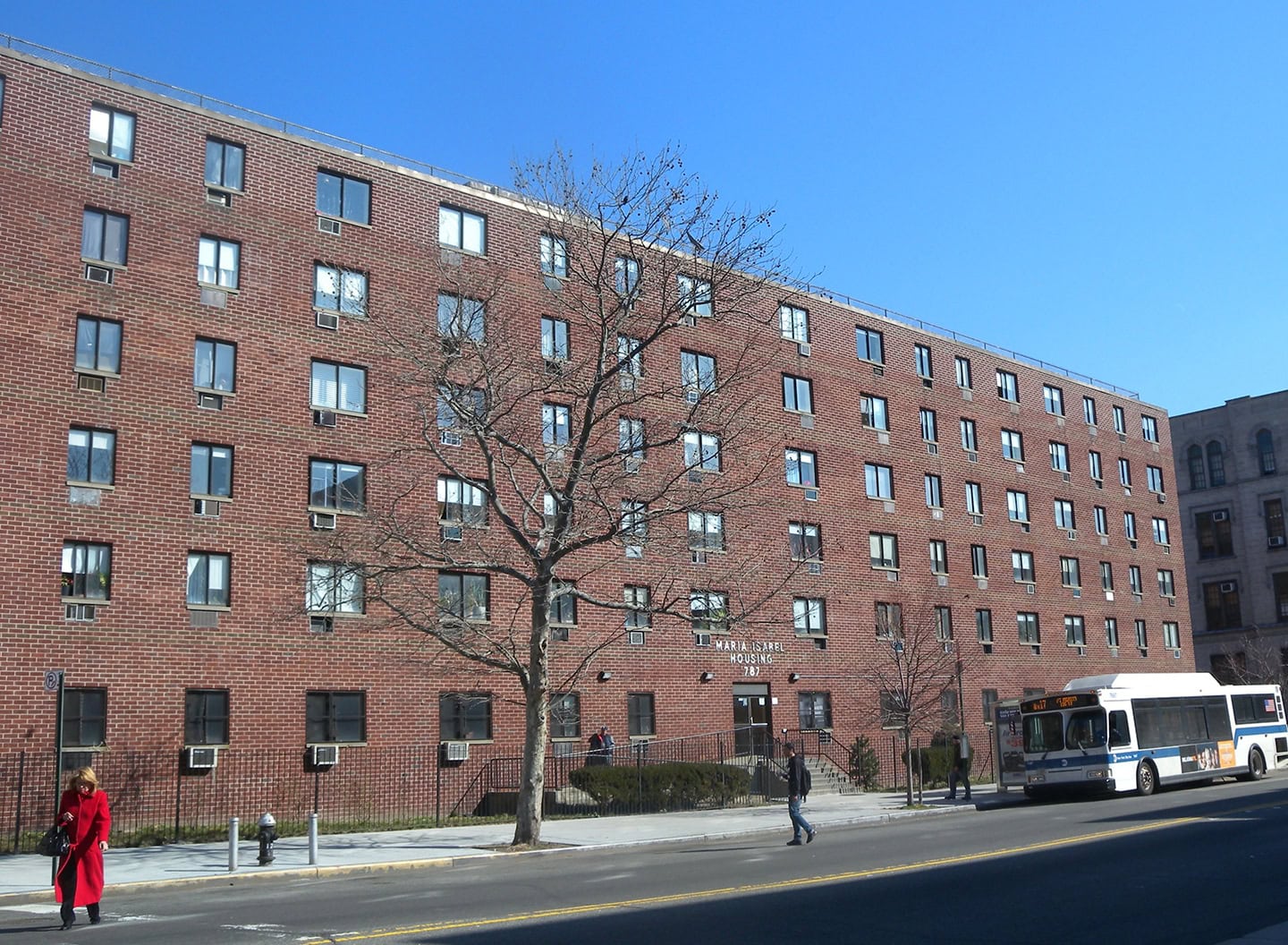
Subsidized rental housing by the federal government began with the US Housing Act of 1937, which created the United States Housing Authority and provided financial assistance to state and local governments to house low-income individuals. Since then, the government has provided housing assistance to low-income tenants through programs overseen by the US Department of Housing and Urban Development (HUD).
There were about 4.5 million occupied subsidized housing units in 2022, and around 45 million occupied rental units—both subsidized and unsubsidized—in the USA. This means that 10% of all occupied rentals in the USA were provided by housing assistance programs. In 2022, 12% of all subsidized units in the USA were vacant, compared to 5% of all rental properties.
About 9.05 million people in 2023. On average, residents in 2023 had lived in their units for ten years and two months.
People living in subsidized housing have one thing in common: low enough incomes to qualify for housing assistance. In 2023, HUD classified 94% of households in subsidized housing as very low income and 77% as extremely low income. HUD classified households that are 50% below and 70% below the area median family income as very low income and extremely low income, respectively. The average household in subsidized housing had an annual income of $17,201. Across subsidized housing, 70% of households earned less than $20,000.
How long do people wait for subsidized housing in the United States?
Two years and one month, on average, in 2023. This represents a 42.1% increase since 2009, when beneficiaries spent one year and six months on waiting lists before moving into subsidized housing.
Although funding comes from the US Department of Housing and Urban Development (HUD), housing assistance programs are administered locally by public housing authorities (PHAs), which serve entire states or, more commonly, counties and cities. Local availability of housing and demand for housing assistance determine wait times, as do any changes at HUD that influence supply (such as increased funding) or demand (such as changes in eligibility requirements).
To receive housing assistance, applicants must apply and be accepted through their local PHA.
As PHAs have a limited number of units available at any given time and a continuous flow of applications, prospective tenants are typically placed on a waiting list. Only when a home becomes available and a candidate is selected from the waiting list is their application evaluated for eligibility. To receive assistance, a candidate must meet income and other requirements at the time they are chosen from the waiting list, regardless of their eligibility when they first applied.
Source: USA Facts