



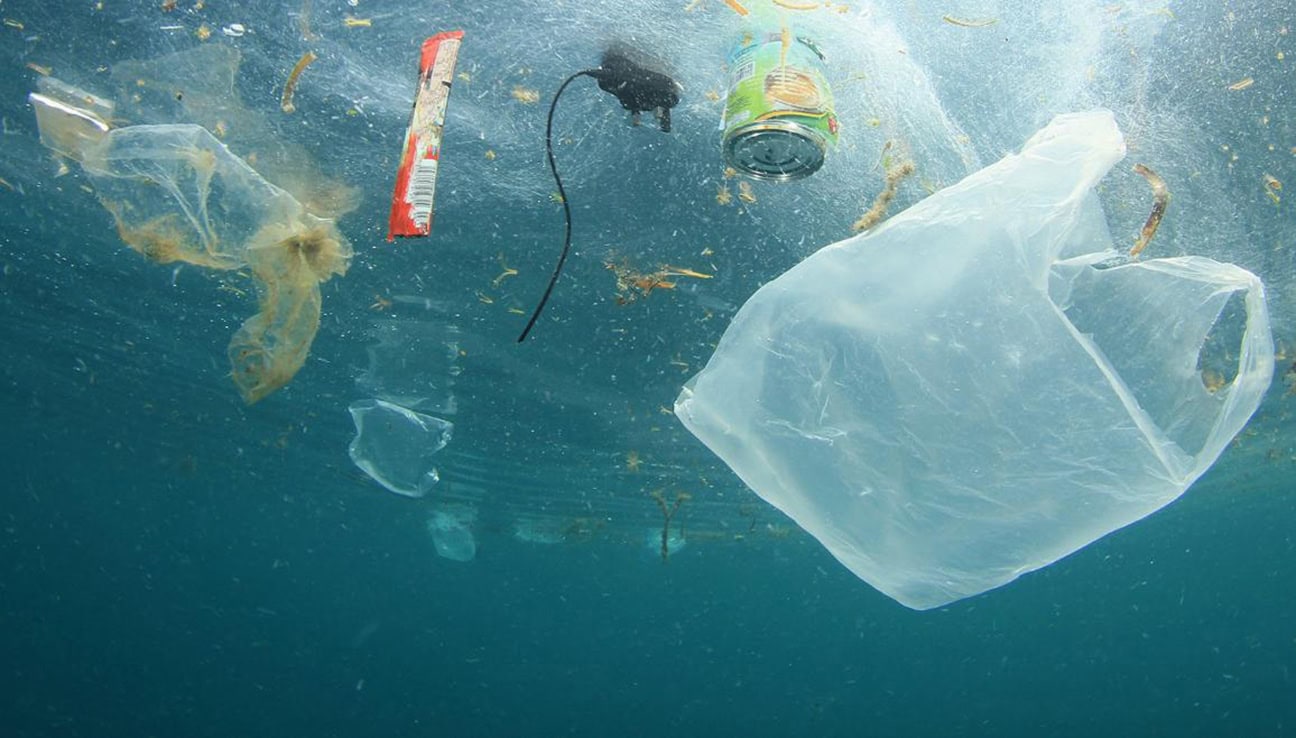
Brazil ranks eighth among the world’s largest polluters when it comes to plastic dumping in the ocean—and first in Latin America. The country dumps 1.3 million tons of plastic annually, according to a report by the NGO Oceana. This volume represents eight percent of this type of pollution on the planet.
The impact of this pollution on ecosystems and even on human nutrition has been observed by researchers, who found plastic ingestion in 200 marine species, 85 percent of which are at risk of extinction. Of these animals, one in ten specimens died due to issues such as malnutrition and reduced immunity after exposure to harmful chemical compounds, according to the study.
Using data from the Beach Monitoring Projects in the Santos and Campos basins, which analyzed the stomach contents of 12,280 birds, reptiles, and marine mammals, researchers found plastic in 49 of the 99 species studied. The most contaminated species were turtles, with solid waste present in 82.2 percent of the samples.
Along the Brazilian coast, plastic ingestion was recorded in all species of sea turtles, but in the case of green turtles, researchers found that the ingestion rate among the 250 individuals of the species studied is 70 percent, reaching up to 100 percent in some regions.
Among the species studied, the rate of Amazonian fish with plastic or microplastic in their digestive systems and gills also drew attention: 98 percent of the 14 species analyzed in igarapés.
In addition to fish, contamination was found in mollusks such as oysters and mussels, indicating, according to researchers, that consuming these species as food is one of the ways humans are contaminated.
“The devastation of plastic in marine life continues on a large scale, and there is no other solution but to reduce the high volume of waste continuously dumped into the sea,” the report emphasizes.
Source: Agência Brasil