



In the heart of Brazil, immersed in the rich tapestry of its cultural heritage, lies a festival that embodies the essence of Brazilian joie de vivre – Festa Junina (Junina Festivals). This colorful celebration, deeply rooted in rural traditions, pays homage to the rural way of life, Catholic saints, and the abundant harvest season. From the pulsating rhythms of forró music to the aroma of traditional delights, Festa Junina captivates the senses and unites communities in an exultant display of Brazilian identity.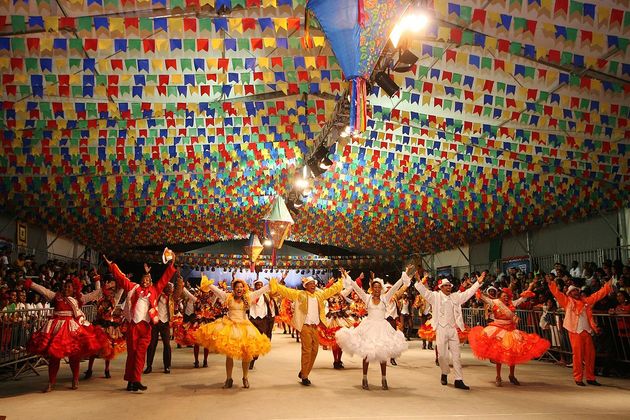 Festa Junina typically occurs throughout the month of June, although festivities may extend into July, marking the end of the rainy season and the beginning of the harvest period in Brazil. Originally introduced by Portuguese colonizers, the festival has evolved over the centuries, blending European customs with Indigenous and African influences to create a uniquely Brazilian experience.
Central to Festa Junina are the celebrations in honor of three Catholic saints: Saint Anthony, Saint John the Baptist, and Saint Peter. Saint Anthony, known as the matchmaker saint, is celebrated on June 13, kicking off the festival with prayers and traditional rituals aimed at finding love or strengthening existing relationships. The feast day of Saint John the Baptist falls on June 24, marking the peak of the celebrations with bonfires, folk dances, and elaborate costumes. Finally, Saint Peter’s day, on June 29, concludes the festivities, often accompanied by fireworks and processions.
One of the highlights of Festa Junina is the vibrant array of decorations that adorn streets, homes, and public squares throughout Brazil. Colorful paper lanterns, known as “balões,” light up the night sky, while garlands, banners, and corn husk ornaments create a festive atmosphere. Traditional motifs such as corn husks, scarecrows, and miniature farm animals evoke the rural setting of the festival and pay tribute to Brazil’s agrarian roots.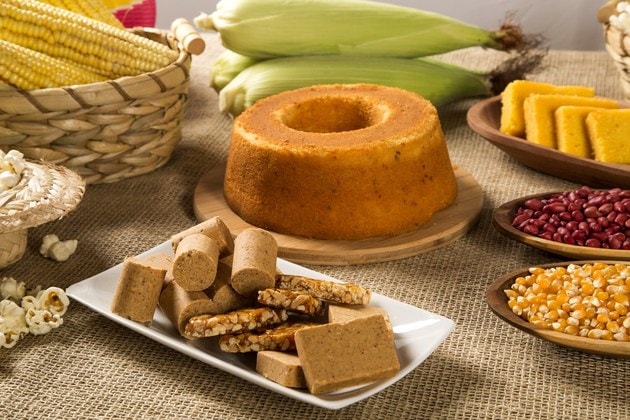 No Festa Junina would be complete without its culinary delights, which reflect the bounty of the harvest season. Corn, a staple crop in Brazilian agriculture, takes center stage in dishes such as “pamonha” (a sweet corn pudding), “canjica” (sweet corn porridge), and “milho verde” (grilled corn on the cob). Other popular treats include “curau” (a creamy corn dessert), “cocada” (coconut candy), and “quindim” (a golden coconut flan). These indulgent delights, often accompanied by warm beverages like “quentão” (hot spiced wine) or “vinho quente,” provide sustenance and comfort during the chilly winter nights of June.
Music and dance are integral components of Festa Junina, infusing the festivities with energy and rhythm. Forró, a traditional Brazilian dance characterized by its lively tempo and close partner choreography, takes center stage in these celebrations. Accompanied by accordion, zabumba (a type of drum), and triangle, forró music fills the air with infectious melodies that compel revelers to join in the fun. Throughout the night, dancers of all ages twirl and sway to the music, forging connections and bonds that transcend social barriers.
In addition to forró, Festa Junina features other regional dances and musical styles, each reflecting the cultural diversity of Brazil’s vast landscape. From the frenetic beats of “baião” to the graceful movements of the “quadrilha” (a type of circle dance), these performances showcase the rich tapestry of Brazilian folklore and tradition.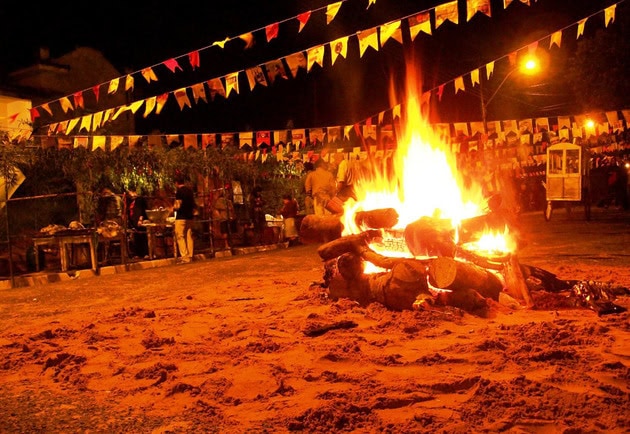 Beyond its cultural significance, Festa Junina serves as a platform for community engagement and social cohesion. Families, friends, and neighbors come together to organize and participate in the festivities, strengthening bonds and fostering a sense of belonging. For rural communities, the festival represents a moment of respite from the rigors of agricultural work, offering an opportunity to celebrate shared traditions and values.
Festa Junina is a testament to Brazil’s cultural diversity, resilience, and creativity. Through its vibrant displays of music, dance, food, and decoration, the festival encapsulates the spirit of Brazilian identity and serves as a source of joy and unity for communities across the country. As bonfires blaze brightly and the sounds of forró fill the air, Festa Junina invites everyone to join in the celebration of life, love, and the rich tapestry of Brazilian culture.