



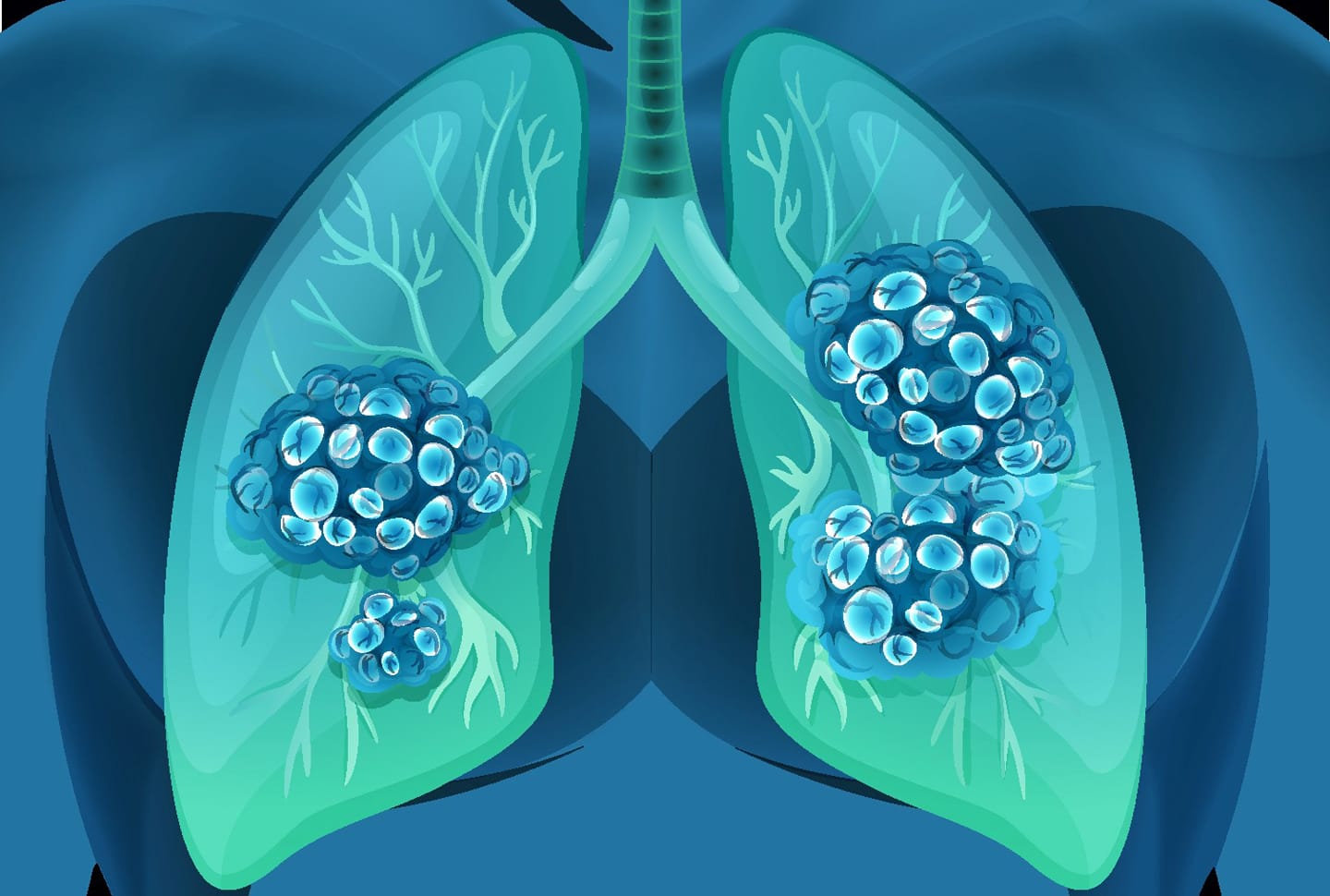
NTM lung disease, caused by non-tuberculous mycobacteria (NTM), is a serious condition that can cause permanent damage to the lungs.
The vast majority of NTM lung diseases in the U.S. are caused by the Mycobacterium avium complex (MAC). Everyone comes into contact with NTM, but it usually only causes infection in people with underlying lung disease, such as bronchiectasis or COPD, a weakened immune system, or advanced age. NTM disease is not contagious.
More than 86,000 people are likely living with NTM lung disease in the United States, and rates appear to be increasing, especially among women and older age groups.
The American Lung Association, with support from Insmed, is sharing five quick facts to help you better understand this progressive disease:
1. Treatments vary. How NTM is treated depends on the type of organism causing the infection, the severity of symptoms, and your health history. Treatment for NTM lung disease varies from person to person and can last for an extended period of time.
2. Current guidelines. Treatment progress will be monitored by collecting sputum samples. Once a negative sputum culture is achieved, the 2020 NTM Guidelines recommend continuing the treatment regimen for 12 months after culture conversion. Since NTM lung disease can be challenging to eliminate from the body, it’s a good idea to seek care from a pulmonologist or infectious disease specialist who is experienced in NTM lung disease.
3. Side effects. Some of the medications that may be prescribed can cause side effects. It’s important to talk to your healthcare provider about potential side effects and how to manage them.
4. Clinical trials. There are clinical trials available for those living with NTM lung disease. Participating in a clinical trial supports medical advancements and may help you access treatments. See if one is right for you.
5. Finding support. Having the right support while managing your NTM lung disease can help you stick to your treatment plan. The Lung Association recommends that patients and caregivers join the Living with Lung Disease Support Community to connect with others facing this disease. You can also ask your healthcare provider about support groups for lung diseases in your area or search online for a Better Breathers Club near you. To speak with a trained respiratory professional who can help answer your questions and connect you with support, call the Lung Association’s Lung Helpline at 1-800-LUNGUSA.
For more information on NTM and lung health, visit lung.org.
Source: StatePoint