



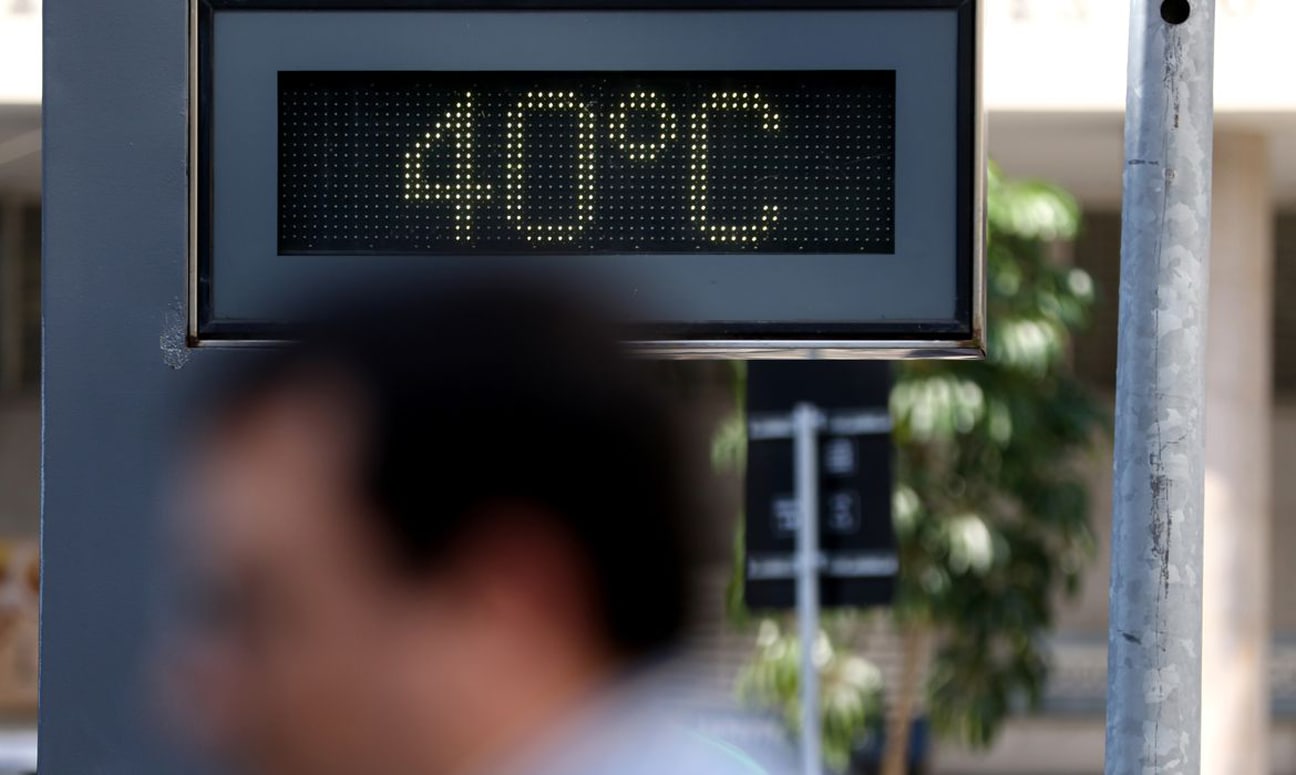
Brazil, a typical tropical country, has been facing an intense heatwave in recent weeks, with temperatures reaching 40º C and low humidity. It is just the beginning of spring in the Southern Hemisphere.
The weather is certainly an attraction for travelers from the Northern Hemisphere, particularly, but in some destinations, it is necessary to take certain precautions when exploring the natural, historical, and cultural beauties of Brazil.
To ensure your visit is enjoyable and safe, the Brazilian Tourism News Agency has gathered some essential tips and care to face the hot and dry climate.
To start, hydration is essential. High temperatures can cause significant fluid loss through sweat, so the tip is to constantly replenish your body with water. Don’t wait until you feel thirsty, as this is often a sign that you are already dehydrated.
Choose water, natural juices, or sports drinks, which can help replenish the electrolytes lost through sweat. Additionally, keep a reusable water bottle handy; it is the most effective way to ensure hydration whenever you need it.
Besides hydration, nutrition requires special attention. Balanced meals are essential to ensure energy and well-being during the trip. Choose light meals, such as salads, fruits like pineapple, mango, passion fruit, and açaí, which are refreshing and nutritious. Avoid heavy and greasy foods that make digestion difficult.
If you are near the Brazilian coast, take the opportunity to savor fresh fish and seafood, which are a rich source of lean protein and omega-3, and make sure that the foods consumed are prepared and stored properly.
Don’t forget sunscreen! Prolonged sun exposure without protection can result in sunburn, premature aging, and, in more severe cases, increase the risk of skin cancer. Therefore, choose a sunscreen that offers protection against UVA and UVB rays. Make sure the Sun Protection Factor is at least 30 to ensure effectiveness. Reapply every two hours, or more frequently if you are swimming or sweating.
In addition to sunscreen, wear light-colored clothing that covers as much of your body as possible. A wide-brimmed hat and UV-protective sunglasses are also highly recommended to protect your face and eyes. After a day in the sun, apply a post-sun moisturizer to help prevent peeling.
Check the weather forecast. This is a useful practice for tourists wishing to explore Brazil during high temperatures. The weather can vary significantly from one region to another, and being prepared for weather conditions is essential to ensure an enjoyable trip. Pay attention to weather alerts issued by Civil Defense. If there are any warnings of adverse weather conditions, such as severe storms or extreme heatwaves, follow the authorities’ instructions and take appropriate measures to ensure your safety.
Brazil has an emergency alert system informed by the Ministry of Integration and Regional Development, through Civil Defense, which allows tourists to register to receive alerts in case of dangerous situations, such as severe storms or evacuations. Currently, alerts can be received via SMS, cable TV, Telegram app, and WhatsApp app.
• SMS: Send a message to the number 40199, with the ZIP code of the area of interest.
• WhatsApp: Register the number 61 2034-4611. Send a “hello” to the alert robot and follow the on-screen steps to register the areas of interest or search for existing alerts.
• Telegram: Search for the contact “Defesa Civil Alertas”, say “hello” to the alert robot, and follow the on-screen steps to register the areas of interest or search for existing alerts.
• Cable TV: Notices and alerts from Civil Defense appear automatically during cable TV programming.
Source: Brazilian Ministry of Tourism